Mahua Moitra Questions SC Order Releasing Bilkis Bano Convicts

Synopsis
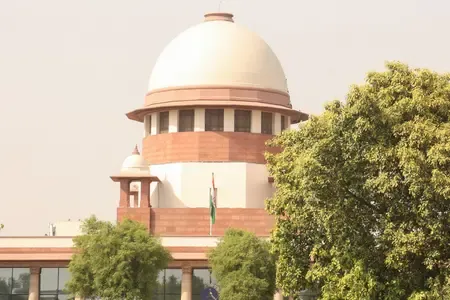
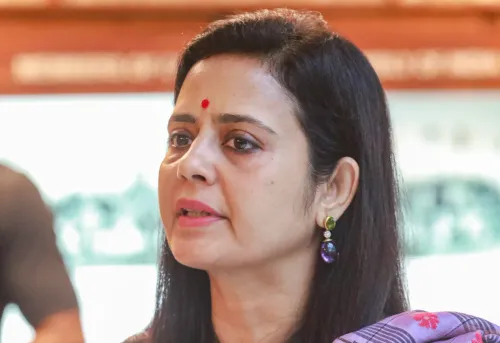
TMC MP Mahua Moitra has questioned a Supreme Court order releasing the 11 convicts in the Bilkis Bano gang-rape and murder case without notifying the survivor, citing it as a 'travesty' and recalling her own successful 2022 petition that had sent them back to jail.
Key Takeaways
Mahua Moitra and Subhashini Ali had previously petitioned the Supreme Court against the August 2022 Gujarat HC order releasing the 11 Bilkis Bano convicts — and won, with the court returning the convicts to prison.
Moitra alleges a fresh Supreme Court order has now released the same convicts without informing Bilkis Bano , the rape survivor in the case.
The 11 men were originally convicted by a special CBI court in Mumbai in 2008 and sentenced to life imprisonment for crimes committed during the 2002 Gujarat riots .
The case raises unresolved questions about whether victim notification is mandatory before courts or governments grant remission in violent-crime convictions.
Legal observers expect possible review petitions and watch for Supreme Court clarification on CrPC remission victim-hearing norms.
A landmark 2002 Gujarat riots conviction is back at the centre of a storm. TMC MP Mahua Moitra has publicly questioned a fresh Supreme Court of India order that she says released the 11 men convicted of gang-raping Bilkis Bano and murdering members of her family — without notifying Bilkis herself. Moitra posted on X on November 17, 2026, calling the development 'a travesty.'
Moitra and Ali's 2022 petition — and what they won
Moitra states that she and CPI(M) leader Subhashini Ali jointly approached the Supreme Court after the Gujarat High Court's August 2022 order permitted the release of the convicts under a state remission. That challenge succeeded: the apex court reversed the release and sent all 11 convicts back to prison. It was a significant ruling, affirming judicial scrutiny over executive remission powers in cases involving the gravest offences.
Now, Moitra alleges, the same court has released the convicts again — this time without informing Bilkis Bano, the survivor at the heart of the case. The question she poses is blunt: why was the woman whose life was torn apart in 2002 not told?
The case that refused to close
The Bilkis Bano case has its origins in the communal violence that swept Gujarat in the weeks after the Godhra train incident of February 2002. A special CBI court in Mumbai convicted 11 men to life imprisonment in 2008 for her gang rape and the murders of her family members — a verdict that passed through multiple layers of appellate scrutiny and held.
The Gujarat government's August 2022 decision to remit the sentences under the Code of Criminal Procedure triggered a nationwide debate about victim rights, the limits of executive clemency, and whether serious crimes from 2002 were being treated with appropriate gravity. Moitra and Ali's petition forced that question before the Supreme Court, and they prevailed.
Victim notification — the procedural fault line
The core of Moitra's grievance today is procedural as much as it is substantive: Bilkis Bano was not informed before the latest order. This is not a minor technicality. Courts examining remission challenges have repeatedly grappled with principles of natural justice — including whether survivors must be heard before the state exercises clemency in crimes committed against them. If the apex court acted without that notification step, it opens a sharp question about consistency between its own rulings on this very case.
Women's rights groups and legal advocates have long argued that victim notification in remission proceedings is not optional — that silence to the survivor compounds the original harm. Moitra's post, brief as it is, detonates exactly that debate back into public view.
What comes next in the Bilkis Bano litigation
Legal observers will now watch for whether Bilkis Bano herself, or petitioners including Moitra and Ali, file a review or clarification plea before the Supreme Court. The case also has implications beyond one survivor: any court clarification on mandatory victim-hearing requirements in CrPC remission matters could reshape how state governments and courts handle clemency in cases involving violent crime across India.
A case that began in the fires of 2002, survived a quarter-century of litigation, and was thought settled — is not settled yet.
Point of View
Each chapter forcing the courts to define how far executive clemency can reach into life-sentence convictions for mass-violence crimes. Moitra's post is combative but its legal core is precise: victim notification in remission proceedings has never been satisfactorily codified, and the absence of a clear rule is what keeps producing these collisions between survivors and state power. If the Supreme Court has indeed acted without informing Bilkis, it risks undermining its own 2023 logic that set the procedural bar higher in this very case. The political dimension — opposition MPs keeping high-profile riot-era cases in public view — is inseparable from the judicial one; each reinforces the other's pressure.
NationPress
17 Nov 2026
Frequently Asked Questions
Who is Bilkis Bano and what happened in her case?
Bilkis Bano is a survivor of gang rape and the murder of family members during the 2002 Gujarat riots . 11 men were convicted and sentenced to life imprisonment by a special court in 2008 .
Why did Mahua Moitra go to the Supreme Court in 2022 over the Bilkis Bano case?
Mahua Moitra and Subhashini Ali challenged the Gujarat government's August 2022 decision to remit the sentences of the 11 convicts , arguing the release was unlawful. The Supreme Court agreed and ordered the convicts back to jail.
What is Mahua Moitra alleging about the latest Supreme Court order in the Bilkis Bano case?
Moitra alleges that the Supreme Court released the convicts again in November 2026 without informing Bilkis Bano , the survivor, calling it a 'travesty' and a violation of natural justice.
What does CrPC remission mean in the context of the Bilkis Bano case?
Remission under the Code of Criminal Procedure (CrPC) allows state governments to reduce or cancel a prisoner's remaining sentence. In the Bilkis Bano case, the Gujarat government used this power in 2022 to release the convicts, a decision that was challenged and reversed.
Who is Subhashini Ali and what role did she play in the Bilkis Bano petition?
Subhashini Ali is a CPI(M) leader and activist who co-filed the petition with Mahua Moitra before the Supreme Court challenging the 2022 remission order in the Bilkis Bano convictions.