SC grants bail to two Bilkis Bano case convicts after 17 years in prison
Synopsis
The Supreme Court has paused the life sentences of two Bilkis Bano case convicts and granted them bail after more than 17 years in prison — citing one appellant's severe disability — while admitting their appeals for a full hearing. The order comes just two years after the same court struck down Gujarat's controversial remission of all 11 convicts, keeping this landmark case in the national spotlight.
Key Takeaways
The Supreme Court on 16 November 2026 suspended the sentences of Bipinchandra Kanaiyalal Joshi and Pradip Ramanlal Modhiya , two convicts in the Bilkis Bano gang-rape case .
Both had been in custody for more than 17 years ; one appellant was noted to be severely handicapped .
The bench of Justice M.M.
Sundresh and Justice Prasanna B.
Varale admitted the appeals and directed bail conditions to be set by the trial court.
The Gujarat government opposed bail, citing the seriousness of the offences and the thoroughness of the lower court proceedings.
In January 2024 , the Supreme Court had already set aside the remission granted to all 11 convicts , ruling the Gujarat government lacked jurisdiction.
The case dates to February 2002 communal violence; a Special CBI court convicted 11 people in 2008 , with the Bombay High Court upholding the verdict in 2017 .
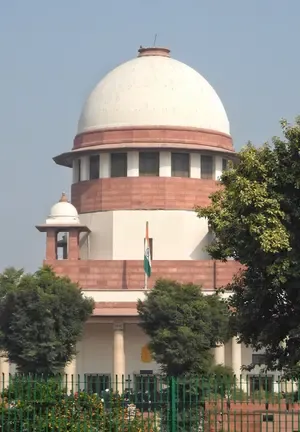
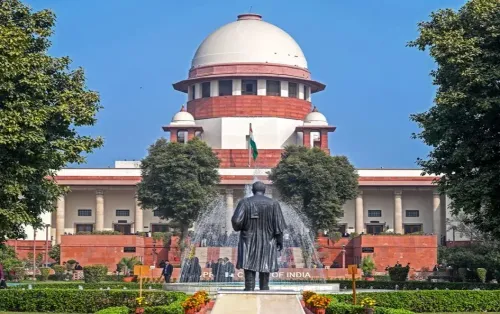
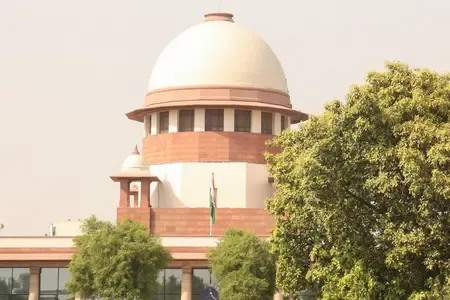
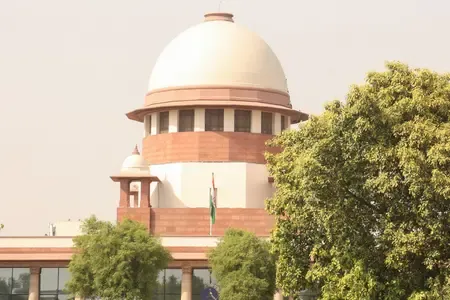
The Supreme Court of India on 16 November 2026 suspended the sentences of two convicts in the Bilkis Bano gang-rape case — stemming from the 2002 post-Godhra riots in Gujarat — and ordered their release on bail, while admitting their appeals against the Bombay High Court verdict that had upheld their conviction and life imprisonment.
Who Was Granted Relief
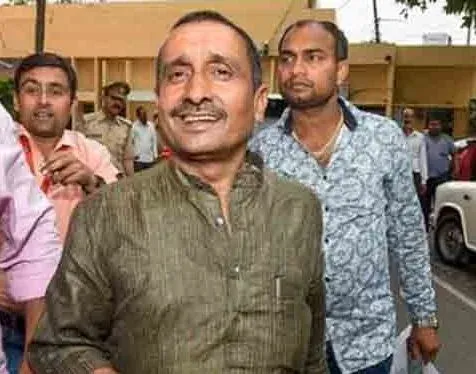
A bench comprising Justice M.M. Sundresh and Justice Prasanna B. Varale granted bail to Bipinchandra Kanaiyalal Joshi alias Lala Doctor and Pradip Ramanlal Modhiya. The court noted two key factors in its reasoning: both appellants had spent more than 17 years behind bars, and one of them was described as severely handicapped.
'Having heard the parties, suffice it to state that the appellants have been under incarceration for a period of more than seventeen years, and also the fact remains that one of the appellants has a severe handicap. Certainly, there are issues to be decided in the appeal, both on fact and law,' the apex court stated in its order.
The court directed that the two be released on bail on such terms and conditions as may be imposed by the concerned trial court, and listed the appeals for hearing in due course.
Arguments Before the Court
Senior advocate Siddharth Luthra, appearing for the appellants, underscored the prolonged incarceration and further submitted that one of the convicts had not been named in the First Information Report (FIR) and was implicated nearly three years after the incident — a point he urged the bench to weigh while deciding on interim relief.
The Gujarat government, represented by Additional Solicitor General (ASG) Raja Thakre, strongly opposed the bail plea, contending that both the trial court and the High Court had carefully considered all material on record, particularly given the gravity of the offences.
The Case: Background and Timeline
Bilkis Bano, who was five months pregnant at the time of the attack in February 2002, was gang-raped; several members of her family, including her three-year-old daughter, were killed during the communal violence that erupted following the Godhra train burning incident.
The Supreme Court had transferred the trial from Gujarat to Mumbai in 2004 to ensure a fair hearing. A Special CBI court in Mumbai convicted 11 accused in 2008 and sentenced them to life imprisonment for gang-rape and murder. On 4 May 2017, the Bombay High Court upheld those convictions and life sentences. The appellants were convicted under Sections 143, 147, 302 read with Section 149, and Sections 376(2)(e) and 376(2)(g) of the Indian Penal Code (IPC).
In a significant earlier development, the Supreme Court in January 2024 set aside the remission granted by the Gujarat government to all 11 convicts, ruling that the state government lacked jurisdiction to pass the remission orders and directing the convicts to surrender before jail authorities.
What This Order Means
Sunday's bail order is an interim measure pending the final adjudication of the appeals on merits — it does not alter the underlying conviction. The Supreme Court has admitted the appeals, meaning it will examine both factual and legal questions raised by the defence. The two convicts remain legally guilty; only their physical incarceration has been paused, subject to bail conditions set by the trial court.
Notably, this comes roughly two years after the apex court's landmark January 2024 ruling that voided the remission of all 11 convicts — signalling the court's continued direct oversight of this case. The eventual hearing of the appeals will be closely watched by legal observers and survivors' rights groups alike.
Point of View
Nearly two decades after the crime. The Gujarat government's failed remission attempt in 2022, overturned in January 2024, already demonstrated how politically sensitive this case remains. The question now is whether the full appeals process will finally bring definitive legal closure — or extend the cycle of proceedings that has defined this case for over 20 years.
NationPress
16 Nov 2026
Frequently Asked Questions
Why did the Supreme Court grant bail to the two Bilkis Bano case convicts?
The Supreme Court granted bail primarily because both convicts had spent more than 17 years in prison and one of them was severely handicapped. The bench also noted that the appeals raised substantive factual and legal issues that merited a full hearing, making prolonged incarceration during that process a relevant consideration.
Who are the two convicts granted bail in the Bilkis Bano case?
The two convicts are Bipinchandra Kanaiyalal Joshi, also known as Lala Doctor, and Pradip Ramanlal Modhiya. Both were among the 11 people convicted by a Special CBI court in Mumbai in 2008 for gang-rape and murder linked to the 2002 post-Godhra riots.
What is the Bilkis Bano gang-rape case?
The case relates to the gang-rape of Bilkis Bano, who was five months pregnant, and the killing of several of her family members — including her three-year-old daughter — during the communal violence that followed the Godhra train burning in February 2002. Eleven accused were convicted and sentenced to life imprisonment by a Special CBI court in Mumbai in 2008, a verdict upheld by the Bombay High Court in 2017.
Does the bail order mean the convicts have been acquitted?
No. The bail order is a temporary suspension of their sentences pending the final hearing of their appeals. Their convictions remain legally intact. The Supreme Court has admitted the appeals for a full examination of facts and law, and bail conditions will be set by the concerned trial court.
What happened with the Gujarat government's remission of the convicts?
In January 2024, the Supreme Court set aside the remission orders granted by the Gujarat government to all 11 convicts, ruling that the state government did not have the jurisdiction to pass those orders. The court directed all 11 convicts to surrender before jail authorities. The present bail order applies only to two of those convicts who filed separate appeals against their conviction.