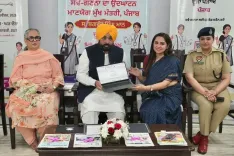
CM Bhagwant Mann Goes LIVE From Sangrur for Census Self-Enumeration
Synopsis
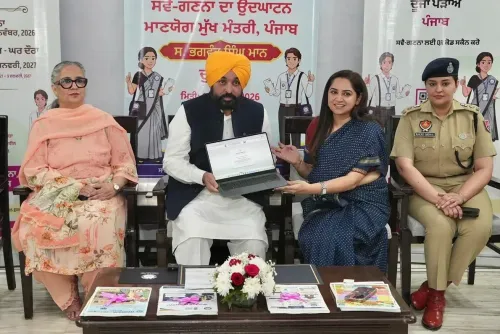
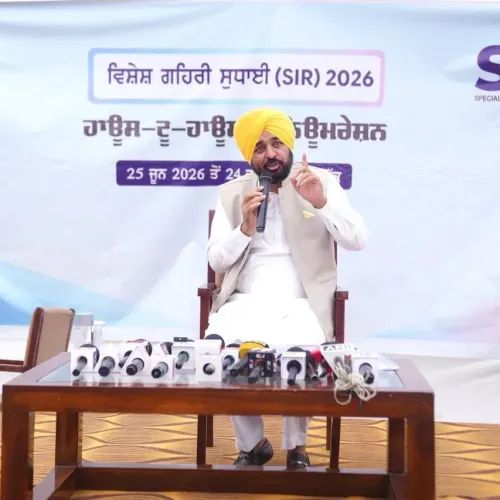
Punjab Chief Minister Bhagwant Mann went live from Sangrur on November 16, 2026, to personally demonstrate the census self-enumeration process — pushing residents to register digitally as India conducts its first census since 2011.
Key Takeaways
CM Bhagwant Mann broadcast live from Sangrur on November 16, 2026 to demonstrate the census self-enumeration process.
India's last completed census was in 2011 , making the upcoming count the country's most delayed in modern history.
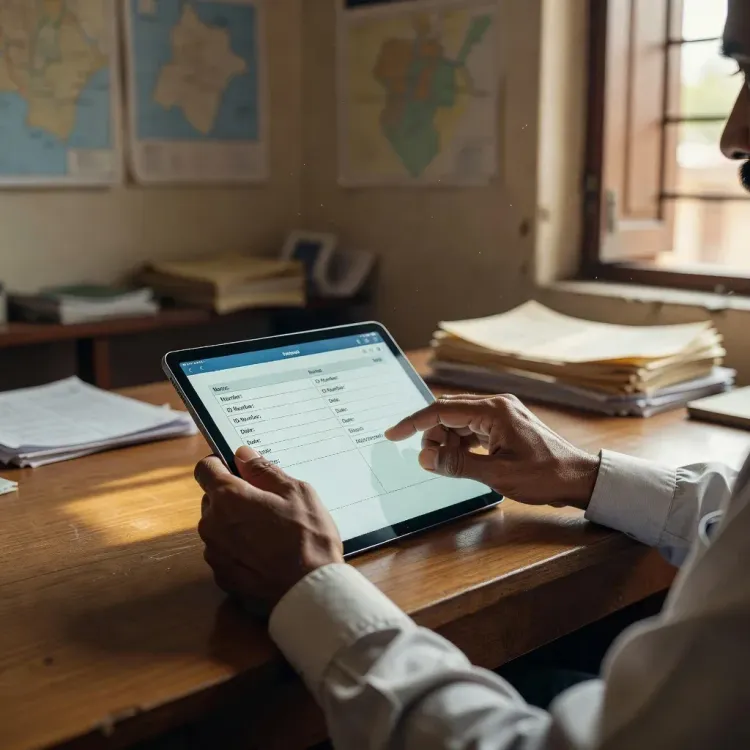
Self-enumeration allows households to submit their own data digitally before an enumerator visits — a major modernisation of India's census method.
Mann's choice of Sangrur , his home district, signals that the drive extends beyond state capitals to every part of Punjab.
State leaders across India are increasingly using social media to drive awareness of the self-enumeration portal.
With India's long-delayed census finally moving into its self-enumeration phase, Punjab Chief Minister Bhagwant Mann stepped in front of a live camera on Monday, November 16, 2026 — broadcasting directly from Sangrur to show residents exactly how to count themselves in the national headcount.
A Chief Minister at the Census Keyboard
Mann's Punjabi and Hindi post read: 'ਜਨਗਣਨਾ ਲਈ ਸਵੈ-ਗਣਨਾ ਦੀ ਪ੍ਰਕਿਰਿਆ ਦੌਰਾਨ ਸੰਗਰੂਰ ਤੋਂ LIVE' — 'LIVE from Sangrur during the self-enumeration process for the census.' By going live from his own constituency district, Mann turned a bureaucratic process into a public demonstration: if the Chief Minister can fill in the form on camera, so can you.
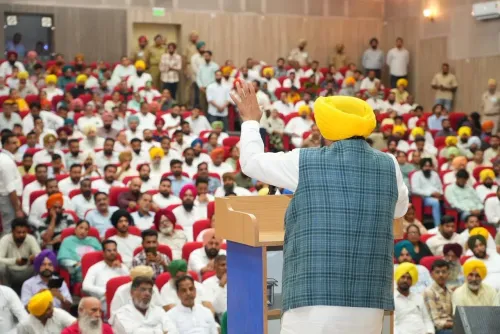
Sangrur is Mann's home turf and a symbolically resonant choice. The district carries weight in AAP's political story, and broadcasting from there signals that the self-enumeration drive is not confined to state capitals or administrative headquarters — it reaches every corner of Punjab.
India's 15-Year Census Gap
The stakes behind the live stream are considerable. India's last completed census was conducted in 2011 — making the upcoming exercise the country's most delayed decennial count in modern history. Plans for a digital census were announced around 2019, but successive disruptions pushed the timeline further. Every welfare scheme, every constituency delimitation, every infrastructure budget that relies on population data has been working off numbers that are now 15 years old.
Self-enumeration — allowing households to register their own details digitally before an enumerator visit — is the most significant modernisation of the census process India has attempted. Getting citizens to actually use it requires exactly the kind of ground-level push Mann demonstrated today.
State Leaders as Census Ambassadors
Mann's broadcast fits a pattern emerging across India: state chief ministers and senior officials are stepping into the awareness vacuum, using social media reach to normalise the self-enumeration portal. For a population accustomed to waiting for a government enumerator to knock on the door, the shift to proactive self-reporting is a behavioural change as much as a technical one.
What Punjab does in the coming weeks — how many households complete self-enumeration, how Mann's administration tracks and publicises participation rates — will be watched by other states calibrating their own outreach strategies.
Fifteen years of missing data end with a form. Mann wants Punjab to fill it in first.
Point of View
Bhagwant Mann is deploying direct-to-citizen communication as a governance tool — a signature of AAP's political brand since its Delhi years. The move also reflects a broader pressure on state governments: with 15 years of stale census data undermining welfare delivery and delimitation exercises, state leaders have a direct stake in maximising participation in self-enumeration. For Mann personally, a high Punjab participation rate translates into a concrete administrative achievement ahead of what promises to be a data-rich political cycle. The question is whether a live broadcast converts into measurable portal uptake — that is the number to watch.
NationPress
16 Nov 2026
Frequently Asked Questions
What is census self-enumeration in India?
Census self-enumeration is a process where households fill in their own census details through a digital portal before an official enumerator visits, reducing errors and speeding up data collection.
When was India's last census conducted?
India's last completed census was in 2011 . The subsequent census, originally planned around 2019-2021, was delayed significantly, making the upcoming exercise the most overdue in modern Indian history.
Why did CM Bhagwant Mann go live from Sangrur for the census?
Mann broadcast live from Sangrur to personally demonstrate the self-enumeration process and encourage Punjab residents to register their household data digitally, normalising the new digital-first approach.
How does self-enumeration work for the Indian census?
Residents log on to the designated census portal, fill in their household and demographic details themselves, and submit the form digitally. An enumerator may follow up to verify entries.
Which district is Sangrur and why is it significant to Bhagwant Mann?
Sangrur is a district in central Punjab and has been closely associated with Bhagwant Mann's political career. His choice to broadcast from there underlines a personal commitment to grassroots outreach beyond administrative headquarters.