Indian Railways clears ₹226 crore signalling upgrade on SECR Durg–Taroki section
Synopsis
Indian Railways has cleared a ₹226 crore overhaul of signalling on SECR's Durg–Taroki section, replacing Panel Interlocking with Electronic Interlocking at 13 stations. The shift to automated route-setting is a direct safety bet on a corridor handling heavy industrial freight — and signals that legacy PI systems across the network are running out of time.
Key Takeaways
Indian Railways approved a ₹226 crore signalling upgrade on the Durg–Taroki section of SECR's Raipur Division on 1 July 2025 .
The project replaces Panel Interlocking (PI) with Electronic Interlocking (EI) technology at 13 stations .
Stations covered include Balod , Dalli Rajhara , Bhanupratappur , Antagarh , Taroki , and eight others across the section.
EI automates route-setting and signal operations, reducing human dependency and signalling-related failures.
The upgrade is part of Indian Railways' nationwide programme to phase out legacy signalling systems.
Indian Railways on Wednesday, 1 July 2025, sanctioned a ₹226 crore project to overhaul signalling infrastructure along the Durg–Taroki section of the Raipur Division under South East Central Railway (SECR), in a move aimed at bolstering operational safety and network efficiency across one of Chhattisgarh's key rail corridors.
What the Upgrade Involves
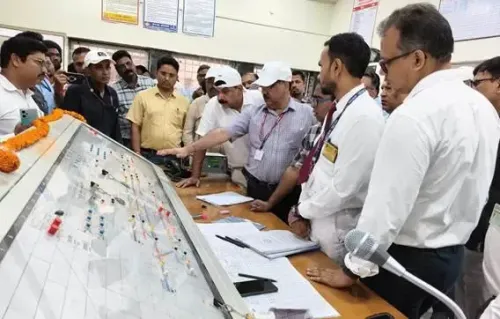
The project centres on replacing the ageing Panel Interlocking (PI) system with Electronic Interlocking (EI) technology at 13 stations along the section. Electronic Interlocking automates route-setting and signal operations while embedding multiple layers of safety redundancy — offering higher reliability and faster service restoration compared with conventional PI systems.
The Ministry of Railways stated: 'The project involves replacing the existing Panel Interlocking (PI) system with Electronic Interlocking (EI) at 13 stations, enabling safer, more reliable and technology-driven train operations.'
Stations Covered
The 13 locations included in the upgrade are Marauda, Risama, Gundardehi, Latabor, Balod, Kusumkasa, Dalli Rajhara, Gudum, Bhanupratappur, Keoti, Antagarh, Taroki, and the Raipur Store Depot. The section sits within the Raipur Division of SECR and handles a growing mix of passenger and freight traffic tied to the region's industrial hinterland.
Why It Matters for Operations
According to the Ministry of Railways, the transition to EI is expected to reduce signalling-related failures, sharpen punctuality, and give the section the technological headroom to absorb rising traffic volumes. The ministry noted that the upgrade will 'improve operational flexibility and system reliability' — language that points to both day-to-day performance gains and long-term capacity planning.
Notably, signalling failures have been a recurring factor in delays and, in worst-case scenarios, safety incidents on India's dense rail network. The shift from manual-assisted PI systems to fully automated EI removes a layer of human dependency in route-setting, which railway safety experts consider a meaningful risk reduction.
Broader Modernisation Push
The sanction is part of Indian Railways' nationwide programme to phase out legacy signalling systems in favour of advanced technologies. The ministry described the approval as consistent with its goal of building 'safer, smarter and more efficient railway operations' across the national network. The SECR network, which covers large parts of Chhattisgarh and Madhya Pradesh, has seen incremental infrastructure investment in recent years as freight demand from the region's coal and steel belt continues to climb.
With the sanction now in place, project execution timelines and tendering details are expected to be released by the Raipur Division in the coming weeks.
Point of View
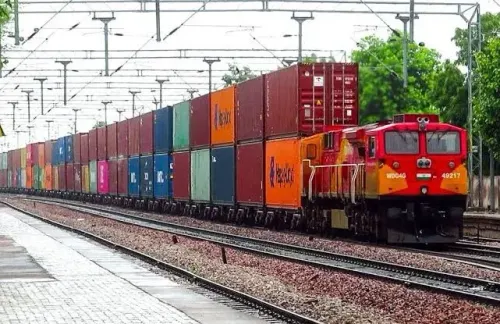
But the real question is execution speed. Indian Railways has approved dozens of Electronic Interlocking projects over the past decade, yet PI systems still dominate large swathes of the network — often because tendering, land, and coordination delays stretch timelines well beyond initial projections. The Durg–Taroki corridor carries significant freight from Chhattisgarh's coal and steel belt, making signalling reliability a commercial as much as a safety imperative. Whether this approval translates into on-ground commissioning within a credible window will be the measure that matters.
NationPress
30 Sept 2026
Frequently Asked Questions
What is the ₹226 crore signalling project approved for SECR's Durg–Taroki section?
Indian Railways has sanctioned ₹226 crore to replace the existing Panel Interlocking (PI) signalling system with Electronic Interlocking (EI) at 13 stations on the Durg–Taroki section under the Raipur Division of South East Central Railway. The upgrade is designed to improve safety, punctuality, and operational flexibility on the corridor.
What is Electronic Interlocking and how does it differ from Panel Interlocking?
Electronic Interlocking (EI) is an advanced signalling system that automates route-setting and signal operations while incorporating multiple safety safeguards. Unlike the conventional Panel Interlocking (PI) system, EI reduces human dependency, offers higher reliability, and enables faster restoration of services after disruptions.
Which 13 stations are covered under the Durg–Taroki signalling upgrade?
The stations included are Marauda, Risama, Gundardehi, Latabor, Balod, Kusumkasa, Dalli Rajhara, Gudum, Bhanupratappur, Keoti, Antagarh, Taroki, and the Raipur Store Depot — all falling within the Raipur Division of South East Central Railway.
How will the upgrade benefit passengers and freight operations?
The modernised signalling infrastructure is expected to reduce signalling-related failures, improve train punctuality, and give the section greater capacity to handle rising passenger and freight traffic. The Durg–Taroki corridor serves an industrially active region, making reliability improvements commercially significant as well.
Is this part of a larger Indian Railways modernisation programme?
Yes. The Ministry of Railways described the approval as part of Indian Railways' ongoing nationwide programme to phase out legacy signalling systems and replace them with advanced technologies, aimed at building safer and more efficient railway operations across the entire network.