Eastern Railway gets ₹405 crore nod for EI signalling at 32 stations
Synopsis
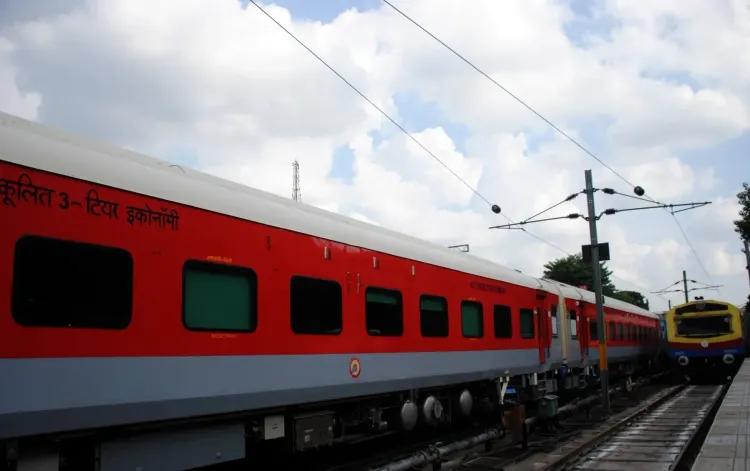
Indian Railways has cleared ₹405 crore to replace ageing relay-based signalling at 32 Eastern Railway stations — including corridors running above 100% capacity. The move sets the stage for Kavach integration and a planned Vande Bharat sleeper service between Howrah and New Delhi, making it one of the most consequential safety investments on the network this year.
Key Takeaways
Indian Railways has sanctioned ₹405 crore for signal upgradation on Eastern Railway routes.
32 stations on High Density Network (HDN) and Highly Utilised Network (HUN) corridors will get Electronic Interlocking (EI) systems.
25 stations currently use Panel Interlocking or Route Relay Interlocking; 7 use Intermediate Block Signalling.
Some ER routes, including stretches of the Howrah–New Delhi corridor, operate at over 100% capacity.
The upgrade will enable integration of Kavach , Automatic Block Signalling, and Centralised Traffic Control.
A Vande Bharat sleeper train between Howrah and New Delhi is planned, with upgraded signals cited as a key enabler.
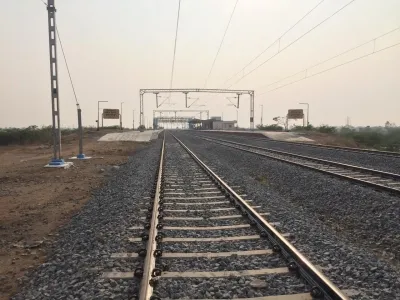
Eastern Railway (ER) has received clearance to install Electronic Interlocking (EI) systems at 32 stations on High Density Network (HDN) and Highly Utilised Network (HUN) routes, officials confirmed on Wednesday, 17 June. The Indian Railways has sanctioned ₹405 crore for the project, marking a significant step in modernising signalling infrastructure on some of the country's busiest corridors.
What the Project Covers
Of the 32 stations earmarked for the upgrade, 25 currently operate on older Panel Interlocking (PI) or Route Relay Interlocking (RRI) systems. The remaining 7 stations use Intermediate Block Signalling (IBS). All will be transitioned to state-of-the-art EI technology under the sanctioned plan.
'The Indian Railways has approved ₹405 crore for this signal upgradation project. This is part of Indian Railways' broader strategy to modernise signalling systems on critical routes and improve reliability, safety and operational performance across the network,' officials said in a statement.
Why the Old Systems Had to Go
The legacy relay-based signalling infrastructure has accumulated significant operational liabilities over the years. According to officials, issues including non-segregation of clean and dirty wiring, outdated power supply arrangements, improper earthing systems, and ageing equipment have collectively driven up maintenance requirements and elevated the risk of failures.
These shortcomings are especially consequential on high-density corridors where even brief signalling disruptions can cascade into widespread delays. Notably, some Eastern Railway routes — including stretches of the Howrah–New Delhi corridor — already operate at more than 100 per cent of rated capacity.
What Electronic Interlocking Brings
EI systems deploy advanced digital technology to govern train movements and signalling operations with greater precision. Compared to conventional RRI systems, EI reduces the probability of signalling failures, improves system availability, and enables faster fault restoration. The upgrade will also lay the groundwork for integrating advanced technologies such as Kavach, Automatic Block Signalling, and Centralised Traffic Control on high-density routes.
Vande Bharat and Future Operations
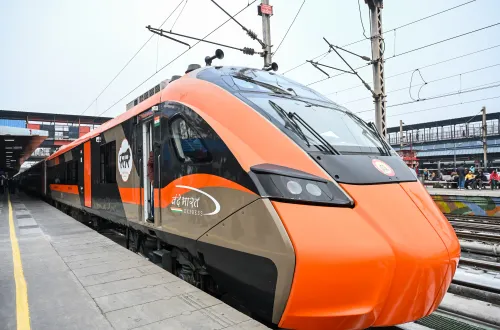
'Upgradation of signals is of utmost importance, with the introduction of modern trains like the Vande Bharat Express. There are plans to run a Vande Bharat sleeper train between Howrah and New Delhi. Upgraded signals would aid in safer, smoother and faster travel for passengers,' officials noted.
The project positions Eastern Railway to support next-generation train operations while raising the safety baseline for both passenger and freight services. With implementation underway, the focus now shifts to execution timelines and whether the upgrades will be completed before the Vande Bharat sleeper service is rolled out.
Point of View
Neither Kavach nor high-speed Vande Bharat sleeper operations are viable on these corridors. Eastern Railway routes running above 100% capacity have long been a systemic risk, and the delay in replacing relay-based systems has compounded that exposure. The real question is execution pace: signalling projects on Indian Railways have historically faced delays between sanction and commissioning. Whether this upgrade completes before the Vande Bharat sleeper launch will be the true test of the railway's modernisation tempo.
NationPress
17 Sept 2026
Frequently Asked Questions
What is the ₹405 crore Eastern Railway signalling project?
It is a government-sanctioned upgrade to install Electronic Interlocking (EI) systems at 32 stations on Eastern Railway's High Density Network and Highly Utilised Network routes, replacing ageing Panel Interlocking, Route Relay Interlocking, and Intermediate Block Signalling systems. The project aims to reduce signalling failures and improve safety on some of India's busiest rail corridors.
Why is Electronic Interlocking better than the older signalling systems?
Electronic Interlocking uses advanced digital technology to control train movements with greater precision, reducing the probability of signalling failures and enabling faster fault detection and restoration compared to conventional relay-based systems. It also supports integration with technologies like Kavach and Automatic Block Signalling.
Which routes are covered under this upgrade?
The upgrade covers stations on Eastern Railway's High Density Network and Highly Utilised Network routes, including corridors on the Howrah–New Delhi line, which reportedly operates at more than 100% of rated capacity.
How does this project connect to the Vande Bharat sleeper train?
Officials have stated that upgraded signals are essential for the planned Vande Bharat sleeper service between Howrah and New Delhi, as modern high-speed train operations require more reliable and precise signalling infrastructure than the current legacy systems can provide.
What other technologies will this upgrade enable?
The Electronic Interlocking infrastructure will lay the groundwork for deploying Kavach (the automatic train protection system), Automatic Block Signalling, and Centralised Traffic Control on high-density Eastern Railway routes.