Railways clears ₹233 crore electronic signalling upgrade at 21 Bihar stations
Synopsis
Indian Railways has cleared a ₹233 crore electronic signalling overhaul across 21 stations in Bihar's Samastipur Division — a move that directly unlocks Kavach deployment in the zone. Paired with a ₹125 crore yard remodelling in Gujarat, the twin approvals signal an accelerating infrastructure push on both safety and capacity fronts.
Key Takeaways
Indian Railways approved a ₹233 crore Electronic Interlocking project at 21 stations in Samastipur Division, Bihar on 1 September .
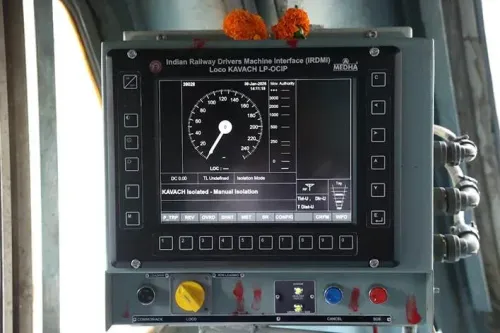
The upgrade replaces existing panel interlocking with computer-based systems, enabling rollout of Kavach , India's indigenous Automatic Train Protection system.
Electronic interlocking offers higher reliability, faster fault diagnosis, and easier maintenance compared to older relay-based systems.
A separate ₹125 crore yard remodelling project at Bhavnagar Para, Gujarat was also sanctioned to decongest Bhavnagar Terminus .
The Gujarat project includes four loop lines , new platforms, two Road Under Bridges , and improved FOB connectivity for passengers.
Indian Railways has approved a ₹233 crore investment to install modern Electronic Interlocking (EI) systems at 21 stations of the Samastipur Division in Bihar, under the East Central Railway zone, according to an official statement released on Tuesday, 1 September. The project will replace ageing panel interlocking systems with computer-based signalling technology across the division.
What the Upgrade Involves
The approved work entails replacing existing panel interlocking with Electronic Interlocking at all 21 stations in the Samastipur Division. Electronic interlocking is a computer-based signalling technology that supersedes older relay-based systems, offering higher reliability, faster fault diagnosis, simpler maintenance, and greater operational flexibility.
Notably, the upgraded infrastructure will also enable the rollout of Kavach — India's indigenous Automatic Train Protection (ATP) system — across these stations. Kavach is designed to prevent train collisions by automatically applying brakes when a signal violation is detected.
Why It Matters for Rail Safety
The signalling overhaul is part of Indian Railways' broader modernisation drive aimed at reducing accidents and improving network efficiency. Relay-based interlocking systems, which many stations still operate on, are more prone to faults and slower to diagnose, making the shift to electronic systems a critical safety intervention.
This comes amid sustained pressure on the national transporter to accelerate Kavach deployment following high-profile rail accidents in recent years. The Samastipur Division upgrade represents one of several such sanctioned projects across the network.
Bhavnagar Yard Remodelling Also Cleared
In a separate approval, Indian Railways has also sanctioned the Bhavnagar Para (BVP) Yard Remodelling project in Gujarat at a cost of approximately ₹125 crore. The project aims to decongest Bhavnagar Terminus by relocating stabling and operational activities to Bhavnagar Para, enabling smoother train operations, reduced rake detention, and improved punctuality.
The remodelling scope includes four loop lines, one engine reversal line, ART and ARME siding, relocation of the Station and EI building, one high-level passenger platform, widening of an existing platform, extension of the existing Foot Over Bridge (FOB), and construction of one new FOB. The project also covers two Road Under Bridges (RUBs) — one new and one extended — along with service buildings and associated electrical and signalling works.
Passenger Benefits at Bhavnagar Para
Passenger amenities at Bhavnagar Para station will be enhanced through a new high-level island platform, widening of Platform No. 2, and improved FOB connectivity. These additions are expected to ease passenger movement and reduce congestion at one of Gujarat's key rail nodes.
What Comes Next
Both projects are now sanctioned and will move into the tendering and execution phase. The Bihar signalling upgrade, in particular, will be closely watched as a benchmark for Kavach-readiness across East Central Railway's broader network. Further station-level modernisation announcements are expected as Indian Railways continues its infrastructure push ahead of the next Union Budget cycle.
Point of View
But commissioning timelines on signalling projects have historically slipped. Whether Bihar's 21 stations go live on schedule will be the true measure of this approval's worth.
NationPress
17 Oct 2026
Frequently Asked Questions
What is the ₹233 crore Electronic Interlocking project approved for Bihar?
Indian Railways has approved a ₹233 crore project to replace existing panel interlocking systems with modern Electronic Interlocking at 21 stations of the Samastipur Division under East Central Railway in Bihar. The upgrade will also enable deployment of Kavach, the indigenous Automatic Train Protection system, at these stations.
What is Electronic Interlocking and how is it different from older systems?
Electronic Interlocking is a computer-based signalling technology that replaces older relay-based panel interlocking systems. It offers higher reliability, faster fault diagnosis, easier maintenance, and greater operational flexibility compared to the ageing systems it replaces.
What is Kavach and why does it require Electronic Interlocking?
Kavach is India's indigenous Automatic Train Protection system designed to prevent collisions by automatically applying brakes when a signal violation is detected. Electronic Interlocking is a prerequisite infrastructure for Kavach deployment, making the Bihar signalling upgrade a key step toward rolling out the safety system across the Samastipur Division.
What is the Bhavnagar Para Yard Remodelling project?
Indian Railways has sanctioned a ₹125 crore yard remodelling project at Bhavnagar Para station in Gujarat. It aims to decongest Bhavnagar Terminus by shifting stabling and operational activities to Bhavnagar Para, and includes four loop lines, new platforms, two Road Under Bridges, and improved passenger facilities.
Who is affected by these railway infrastructure projects?
Passengers and freight operations across the Samastipur Division in Bihar and the Bhavnagar region in Gujarat are the primary beneficiaries. The Bihar project improves safety for train operations across 21 stations, while the Gujarat project reduces congestion and improves punctuality at Bhavnagar Terminus.