Railways to move fly ash in special wagons, cutting housing costs
Synopsis
India generates 340 million tonnes of fly ash annually — most of it stranded at power plants. Railways Minister Ashwini Vaishnaw's new dedicated wagon network turns that disposal headache into a logistics solution, promising cheaper cement and bricks for the housing sector. It is a rare case of an industrial waste problem and an infrastructure cost problem being solved with a single rail corridor.
Key Takeaways
Indian Railways will transport fly ash from thermal power plants to factories using specially designed tipper wagons that load from the top and unload from the rear.
India's thermal plants generate nearly 340 million tonnes of fly ash annually, most of which currently remains at plant sites.
The initiative is expected to lower prices of cement, bricks, and concrete blocks , benefiting the affordable housing sector.
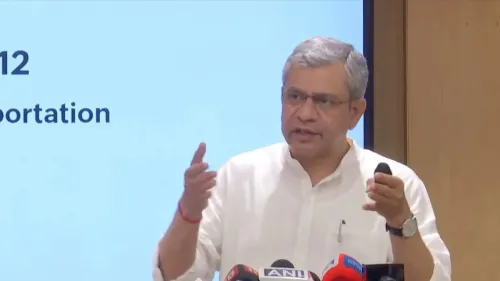
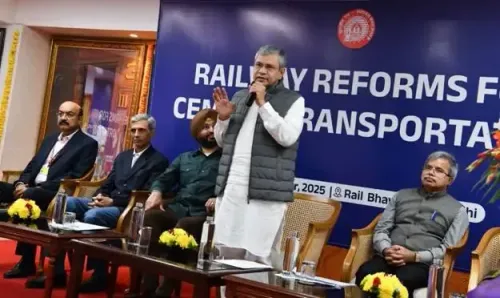
The decision was taken at a meeting chaired by Railways Minister Ashwini Vaishnaw , with Ministers of State V.
Somanna and Ravneet Singh Bittu also present.
Fly ash currently reaches factories by road or via barges to Bangladesh ; the rail route is projected to be cheaper and more environmentally friendly than road transport.
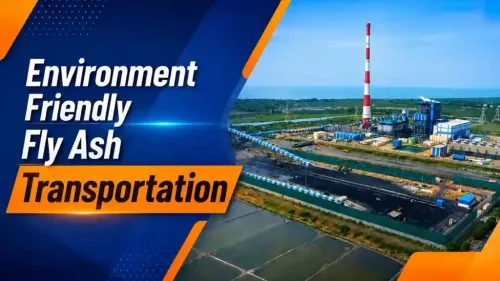
Indian Railways has launched a dedicated logistics initiative to transport fly ash — a waste byproduct of thermal power plants — to cement, brick, and concrete factories using specially designed tipper wagons. The move, announced following a high-level meeting chaired by Railways Minister Ashwini Vaishnaw, is expected to lower construction material costs and reduce the environmental burden of fly ash disposal across the country.
What the Initiative Involves
The railways are building a dedicated logistics network comprising specialised containers and rail corridors to connect thermal power plants — where fly ash is generated — directly to factories that use it as a raw material. The special wagons are designed to be top-loaded at power plants and sealed for transit, then unloaded from the rear at the receiving factory.
This end-to-end containment ensures that fly ash travels without atmospheric dispersal, arriving as a productive industrial input rather than a pollutant. According to the ministry's statement, the system is designed for scale from the outset.
The Scale of the Problem
Thermal power plants in India generate nearly 340 million tonnes of fly ash annually, according to the statement. A portion is currently transported by road, and some is moved to Bangladesh via barges, but the bulk remains stranded at power plant sites — a persistent disposal challenge given fly ash's classification as a polluting material.
Fly ash is used in the manufacture of cement, concrete blocks, bricks, and boards, and in road construction, making it a significant input for infrastructure development. The railways' intervention addresses both the supply-side glut at power plants and the cost pressures faced by downstream construction industries.
Impact on Housing and Infrastructure Costs
The ministry's statement argued that more affordable fly ash logistics would translate directly into lower prices for bricks, cement, and construction blocks — materials central to both urban housing projects and rural infrastructure. 'More affordable fly ash means cheaper bricks, lower cement prices, and ultimately more accessible housing across urban and rural India alike,' the statement read.
This comes amid sustained pressure on affordable housing costs in India, where raw material prices have been a key driver of construction inflation in recent years. A cheaper, cleaner supply chain for fly ash could provide meaningful relief to builders operating in the low-cost housing segment.
Who Was at the Meeting
The decision was taken at a meeting chaired by Railways Minister Ashwini Vaishnaw. Ministers of State for Railways V. Somanna and Ravneet Singh Bittu were also present, signalling the initiative has senior ministerial backing across the railways hierarchy.
What Comes Next
The railways have not yet disclosed a timeline for full network rollout or the number of power plant-factory corridors to be operationalised in the first phase. Industry observers will watch whether the dedicated logistics infrastructure is commissioned at the scale needed to make a material dent in the 340 million tonne annual surplus. If successful, the model could be extended to other industrial waste streams transported by rail.
Point of View
But the critical unknown is scale. India's 340-million-tonne annual fly ash surplus is not a logistics problem that a handful of pilot corridors can solve — it requires a committed national network with clear commissioning timelines. The housing cost angle is real but downstream: cheaper fly ash only translates to cheaper cement if the volume moved is large enough to shift market pricing. The ministry has announced the architecture; the test is whether the rollout matches the ambition, or whether this joins a line of well-intentioned rail freight initiatives that moved slowly off the starting block.
NationPress
18 Sept 2026
Frequently Asked Questions
What is the Indian Railways fly ash wagon initiative?
Indian Railways is building a dedicated logistics network of specialised tipper wagons and rail corridors to transport fly ash — a waste byproduct of thermal power plants — directly to cement, brick, and concrete factories. The initiative was announced following a meeting chaired by Railways Minister Ashwini Vaishnaw.
How much fly ash does India generate each year?
India's thermal power plants generate nearly 340 million tonnes of fly ash annually, according to the ministry's statement. Most of it currently remains at power plant sites, posing a significant disposal and pollution challenge.
How will the special wagons work?
The wagons are designed to be loaded from the top directly at power plants and then sealed for transit. At the destination factory, the tipper wagons unload from the rear, keeping the fly ash contained throughout the journey to prevent atmospheric dispersal.
How will this initiative affect housing costs?
By making fly ash transport cheaper and more efficient than road haulage, the initiative is expected to lower input costs for cement, bricks, and concrete blocks — key materials in the housing sector. The ministry's statement said this could make housing more accessible in both urban and rural India.
Who attended the meeting where this decision was taken?
The meeting was chaired by Railways Minister Ashwini Vaishnaw. Ministers of State for Railways V. Somanna and Ravneet Singh Bittu were also present at the meeting where the fly ash logistics initiative was approved.