Indian Railways logs 170% jump in cement cargo via container reforms
Synopsis
Indian Railways has posted a 170% surge in cement movement in just four months — a result of container-based logistics reforms that cut two handling stages and slashed costs. Now the ministry is turning its sights on fly ash, where only 13 million of 300 million metric tonnes produced annually move by rail, signalling an ambitious push to convert industrial waste into national infrastructure wealth.
Key Takeaways
Indian Railways recorded a 170% rise in cement movement over the last four months following reforms introduced in November 2024 .
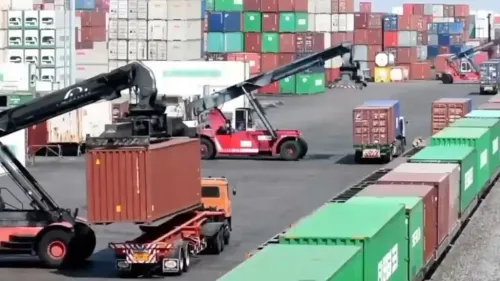
Customised bulk cement tank containers compatible with RMC machines have eliminated two handling stages , cutting logistics costs and turnaround time.
The shift from road to rail is reducing dust, fuel consumption, and highway congestion, according to the ministry.
Railways Minister Ashwini Vaishnaw reviewed the reforms on 14 May 2025 and flagged housing affordability as a key downstream benefit.
India produces nearly 300 million metric tonnes of fly ash annually; only 13 million tonnes currently moves by rail — Railways is now targeting this gap.
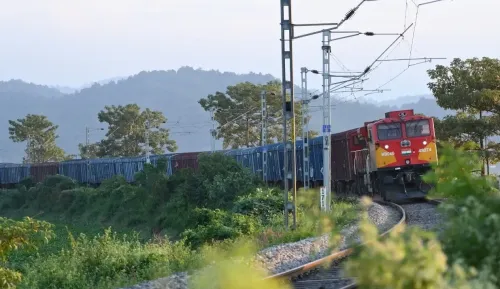
Indian Railways has recorded a 170 per cent surge in cement movement over the last four months, driven by a sweeping overhaul of cement transportation logistics introduced in November last year, according to an official statement released on Thursday, 14 May 2025. The reforms, centred on bulk cement tank containers, are reshaping how cement travels from plant to construction site across India.
What the Reforms Entail
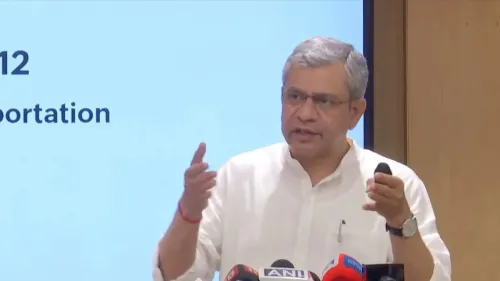
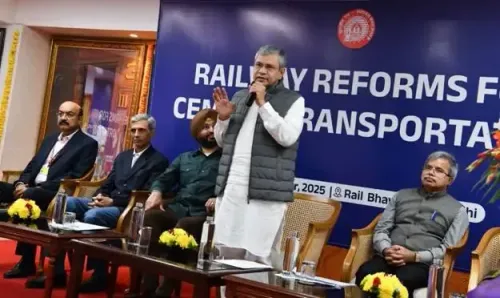
Railways Minister Ashwini Vaishnaw reviewed the container sector reforms and their implementation on Thursday, describing the new system as a structural shift in bulk logistics. The ministry introduced customised tank containers and a bulk cement terminal policy to support multimodal handling, enabling seamless movement from train to road trailer and back to train — a true door-to-door solution.
Because the containers are standardised and compatible with Ready-Mix Concrete (RMC) machines, cement now reaches construction sites in ready-to-use form. Vaishnaw noted that this has eliminated two stages of handling, cutting logistics costs and accelerating turnaround times. “Since the containers are of standard shape and compatible with Ready-Mix Concrete (RMC) machines, cement reaches construction sites in ready-to-use form. This has reduced two stages of handling, leading to lower logistics cost and faster turnaround,” he said.
Impact on Construction Costs and Housing
The ministry argues that the reduction in handling stages and logistics overhead will lower the overall delivered cost of cement. This cost efficiency, officials say, is particularly relevant for the housing sector — easing pressure on construction input costs and supporting affordability for lower- and middle-income households. The Make in India tank containers also support mechanised loading and unloading, reducing spillage and packaging losses compared to conventional bagged cement transport.
Environmental Gains
Beyond cost, the reforms carry a meaningful environmental dimension. Bulk container movement has significantly reduced dust generation during loading and unloading, according to the ministry. The shift from road to rail is also lowering fuel consumption, cutting emissions, and easing congestion on national highways. Vaishnaw described the reform as bringing “a silent revolution in the construction industry.”
Fly Ash: The Next Frontier
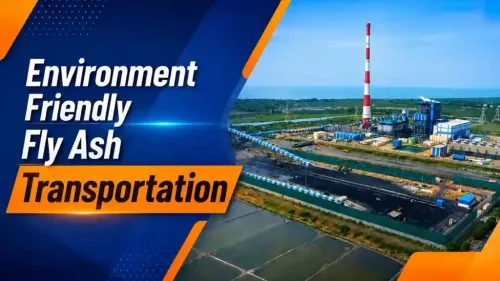
Building on the cement success, Railways is now targeting a similar reform for fly ash transportation. Reviewing the sector with senior officials, Vaishnaw urged the team to tap the vast potential of the fly ash market. India produces nearly 300 million metric tonnes of fly ash annually from thermal power plants, yet only about 13 million tonnes is currently moved by rail — a fraction of total output.
The minister called it a major “waste to wealth” opportunity, noting that fly ash is a valuable input for road construction, cement manufacturing, and brick production. “Wider transportation and utilisation of fly ash will help reduce pollution, promote recycling of industrial waste and lower the cost of construction materials such as bricks and cement,” he said.
With cement logistics already transformed, the railways’ push into fly ash transportation could become the next inflection point for sustainable bulk freight in India.
Point of View
But the real test is whether it holds at scale as volumes compound and terminal infrastructure catches up. The fly ash pivot is the more consequential story: with only 13 of 300 million metric tonnes moving by rail, the headroom is enormous — but so is the execution gap, given the dispersed geography of thermal plants and brick kilns. If Railways can replicate the cement container model for fly ash, it would simultaneously address industrial waste, construction-input costs, and road freight emissions — a rare policy trifecta. The question is whether the ministry’s enthusiasm for the ‘waste to wealth’ framing translates into the terminal investments and private container ownership incentives needed to move the needle.
NationPress
30 Sept 2026
Frequently Asked Questions
Why has Indian Railways seen a 170% jump in cement cargo?
Indian Railways recorded a 170% rise in cement movement over four months following logistics reforms introduced in November 2024, centred on bulk cement tank containers that eliminate multiple handling stages. The containers are compatible with Ready-Mix Concrete machines, enabling direct plant-to-site delivery and cutting turnaround times significantly.
What are the bulk cement tank container reforms introduced by Railways?
The reforms involve customised tank containers and a bulk cement terminal policy that allow cement to move seamlessly from train to road trailer and back, supporting door-to-door logistics. Mechanised loading and unloading reduce spillage, packaging losses, and dust generation compared to conventional bagged cement transport.
How do the cement logistics reforms benefit housing and construction?
By cutting two handling stages and lowering logistics costs, the reforms are expected to reduce the overall delivered cost of cement, easing construction input costs. The ministry says this is particularly significant for housing affordability, benefiting lower- and middle-income households.
What is Railways’ plan for fly ash transportation?
Following the success in cement, Railways is working on a similar container-based reform for fly ash. India produces nearly 300 million metric tonnes of fly ash annually, but only about 13 million tonnes currently moves by rail; the ministry aims to significantly increase that share, directing fly ash to brick kilns, cement plants, and construction sites.
What are the environmental benefits of the Railways cement container reform?
The shift from road to rail reduces fuel consumption, lowers emissions, and eases highway congestion. The enclosed tank containers also significantly cut dust generation during loading and unloading, making the logistics chain cleaner compared to traditional bagged cement movement.