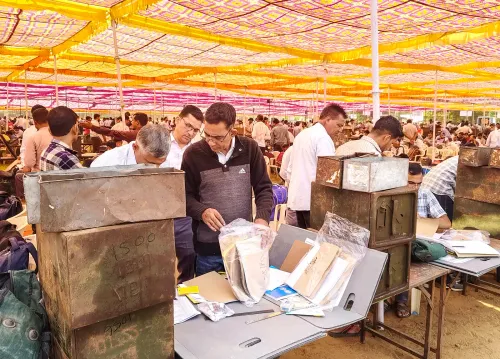
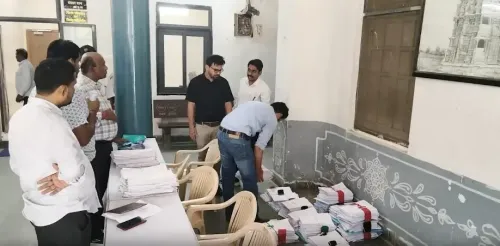
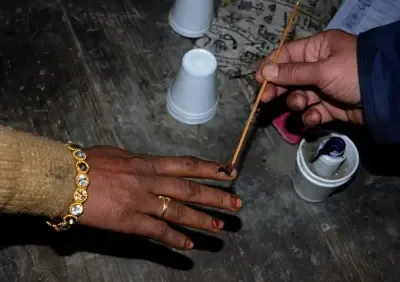
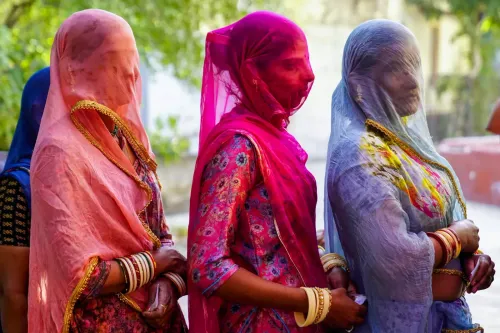
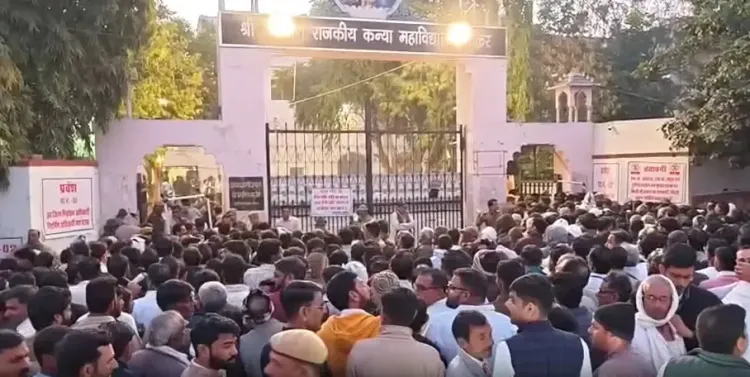
Rajasthan Panchayat election 2024 results: Counting begins in 37 districts
Synopsis
Rajasthan's panchayat election counting — covering 1,275 Zila Parishad wards across 37 districts — kicked off at 8 am on 20 November, with results expected by afternoon. Coming two years before the next Assembly polls, the outcome is being read as a direct report card on Chief Minister Bhajanlal Sharma's government and a test of Congress's rural revival, with several ministers' and MPs' family members personally on the ballot.
Key Takeaways
Counting began at 8:00 am on 20 November 2026 for Rajasthan Panchayat elections across 37 districts .
1,275 Zila Parishad wards are being decided, with 4,069 candidates in contention.
Counting for Baran, Kota, Karauli and Sri Ganganagar Zila Parishads, plus 38 Panchayat Samitis , is deferred to 17 December .
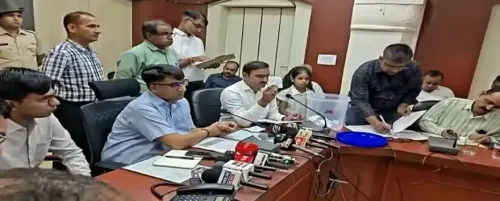
EVM-based counting means results are expected to be declared by afternoon.
Results are being viewed as a two-years-out barometer for the BJP government's popularity and Congress's rural strength ahead of Rajasthan Assembly elections.
Relatives of several ministers, MPs, and MLAs — including wives, sons, daughters, and daughters-in-law — are contesting, raising the political stakes beyond local governance.
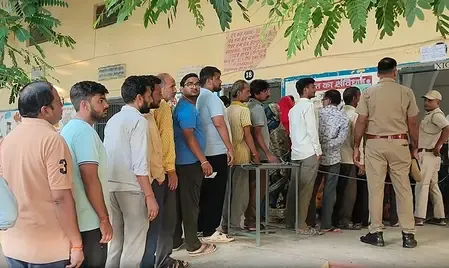
Counting of votes for the Rajasthan Panchayat elections began at 8:00 am on Friday, 20 November 2026, with results set to determine winners across 1,275 Zila Parishad wards in 37 districts. A total of 4,069 candidates are contesting these seats, making it one of the most expansive rural local body contests the state has seen in recent years.
Key Details of the Counting Process
Since votes were cast using Electronic Voting Machines (EVMs), results are expected to emerge by the afternoon. However, counting for four Zila Parishads — Baran, Kota, Karauli, and Sri Ganganagar — along with 38 Panchayat Samitis, has been scheduled separately for 17 December. Once final results are declared, political negotiations are expected to begin swiftly for the posts of Zila Pramukh (District Council Chairperson) and Pradhan (Panchayat Samiti Chairperson).
A Political Barometer for BJP and Congress
Held roughly two years ahead of the next Rajasthan Assembly elections, these panchayat polls are being closely watched as a gauge of ground-level sentiment. For the Bharatiya Janata Party (BJP), the outcome will reflect both the state government's performance and the organisational strength of its rural machinery. For the Indian National Congress (INC), the results offer a critical read on its rural support base and its effectiveness as the principal opposition.
The results will offer insights into the political standing of key figures including Chief Minister Bhajanlal Sharma, BJP State President Madan Rathore, Congress State President Govind Singh Dotasra, and Leader of the Opposition Tikaram Jully.
Prominent Political Families in the Fray
A notable feature of this election cycle is the significant participation of relatives of senior political figures. In several constituencies, wives and sons of ministers are contesting, while daughters-in-law, daughters, and other family members of sitting Members of Parliament and Members of the Legislative Assembly are also in the running. The victories or defeats of these candidates are expected to shape the political standing of their families and could influence their prospects for party tickets in the upcoming Assembly elections.
What Happens Next
With the bulk of counting underway today, the political landscape of Rajasthan's rural local governance is set to shift by evening. The deferred counting on 17 December for the four Zila Parishads and 38 Panchayat Samitis will complete the picture. Beyond immediate seat tallies, the results will serve as an early signal ahead of a highly anticipated Assembly election battle in the state.
Point of View
Turning a grassroots election into a high-stakes prestige event. What is often missed in the horse-race coverage is that panchayat outcomes in Rajasthan have historically been poor predictors of Assembly results — the 2018 Assembly swing, for instance, did not follow earlier panchayat trends. That caveat aside, a lopsided result for either party will inevitably shape fundraising, cadre morale, and ticket allocation going into the Assembly cycle.
NationPress
20 Nov 2026
Frequently Asked Questions
When did Rajasthan Panchayat election counting begin?
Counting began at 8:00 am on Friday, 20 November 2026, across 37 districts of Rajasthan. EVM-based tallying means results are expected to emerge by the afternoon.
How many seats and candidates are involved in the Rajasthan Panchayat elections?
A total of 1,275 Zila Parishad wards are being decided, with 4,069 candidates contesting across 37 districts. This makes it one of the largest rural local body elections in the state in recent years.
Which Zila Parishads will have their counting deferred to December?
Counting for the Zila Parishads of Baran, Kota, Karauli, and Sri Ganganagar, along with 38 Panchayat Samitis, is scheduled for 17 December. These areas were excluded from today's counting round.
Why are the Rajasthan Panchayat results politically significant?
The polls are being treated as an early indicator of voter mood roughly two years before the next Rajasthan Assembly elections. The results will reflect the BJP state government's performance under Chief Minister Bhajanlal Sharma and the Congress's ability to mobilise its rural base under State President Govind Singh Dotasra.
Why are family members of ministers and legislators contesting these panchayat polls?
In several constituencies, relatives of ministers, MPs, and MLAs — including spouses, children, and daughters-in-law — have entered the fray, making individual ward results a test of their family members' political influence and constituency hold. Their wins or losses are expected to affect prospects for future Assembly election tickets.