Rajasthan Police GRM Module: How frozen bank accounts get unfrozen in cyber fraud probes
Synopsis
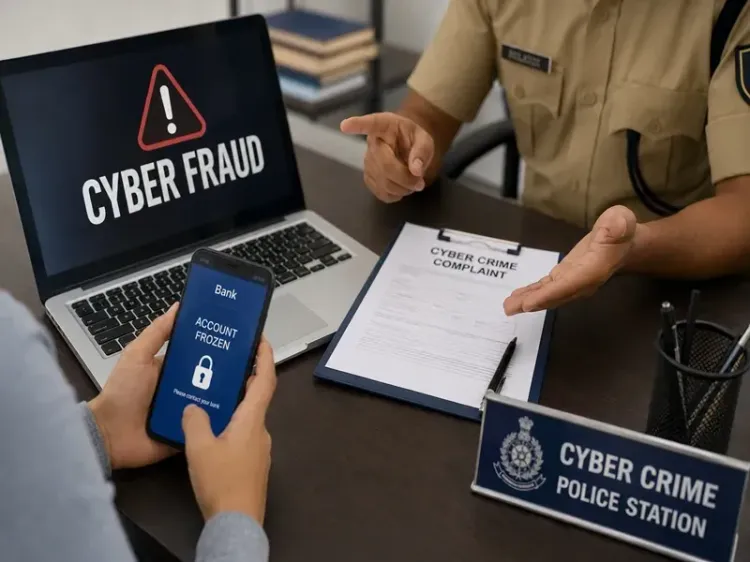
Thousands of Indians find their bank accounts frozen mid-investigation — often with no clear path to relief. Rajasthan Police has now detailed the GRM Module, an I4C-built online system that replaces repeated police-station visits with a structured, multi-tier digital process. The mechanism assigns accountability to both police and banking officers, and allows appeals all the way to the state level.
Key Takeaways
The GRM (Grievance Redressal Mechanism) Module , developed by the Indian Cyber Crime Coordination Centre (I4C) , allows citizens to seek relief for bank accounts frozen during cyber fraud investigations.
The process is entirely online, operating under the National Cyber Crime Reporting Portal (NCRP) and the CFCFRMS , replacing repeated visits to police stations and banks.
Account holders receive a unique Grievance ID after the bank registers their complaint; the case is then forwarded to the designated investigating officer.
Statements can be recorded via video conferencing , removing the need for in-person appearances at police stations.
If dismissed at the station level, citizens can appeal before district- and state-level Grievance Redressal Officers (GROs) .
Rajasthan Police advises citizens never to share OTPs, account details, or banking credentials with anyone.
Rajasthan Police has detailed the workings of the Grievance Redressal Mechanism (GRM) Module — a fully online system that allows citizens to seek relief when their bank accounts are frozen during cyber fraud investigations. Developed by the Indian Cyber Crime Coordination Centre (I4C), the module operates under the National Cyber Crime Reporting Portal (NCRP) and is designed to replace the earlier, cumbersome process of repeated visits to police stations, banks, and administrative offices.
What the GRM Module Does
The GRM Module is an online grievance redressal system that addresses a specific problem: innocent account holders whose bank accounts are frozen, placed under lien, or put on hold due to suspicious transactions flagged during cyber crime probes. Its core objective is to ensure an impartial review of each case, providing relief to genuine account holders without compromising the integrity of ongoing investigations.
The module functions within the broader Citizen Financial Cyber Fraud Reporting and Management System (CFCFRMS), giving it a standardised, multi-agency framework that links banks, police stations, and oversight officers.
Step-by-Step: How the Process Works
The process begins when an affected account holder visits their bank branch and submits a formal application seeking the unfreezing of their account or removal of the lien. The bank then verifies the applicant's KYC (Know Your Customer) details and reviews the transaction history.
Once verification is complete, the bank registers the grievance on the GRM portal, generates a unique Grievance ID, and forwards the case to the designated investigating officer at the relevant police station. The officer then conducts a detailed examination of the transaction trail, checks for suspicious activity, and determines the extent of the account's involvement — if any — in the alleged fraud.
Where necessary, the account holder's statement may be recorded via video conferencing, eliminating the need for physical appearances. The officer then decides whether to unfreeze the account, lift the lien, or dismiss the complaint, and communicates the decision to the bank.
Appeals and Oversight Structure
If a complaint is dismissed at the police station level, the account holder retains the right to appeal before district- and state-level Grievance Redressal Officers (GROs). This multi-tier structure is designed to prevent arbitrary freezing and ensure accountability at every stage.
On the police side, oversight is assigned to the DIG at the state level, the Additional Superintendent of Police/DSP at the district level, and the investigating officer at the station level. On the banking side, a National Nodal Officer, a State Grievance Officer, and a Branch Grievance Officer have been designated, creating parallel accountability chains.
What Rajasthan Police Is Telling Citizens
V.K. Singh, Additional Director General of Police (Cyber Crime), said continuous efforts were being made to prevent cyber crimes in the state and provide prompt relief to victims. He described the GRM Module as 'highly beneficial for the general public,' noting that the shift to a fully online process had made grievance redressal more transparent and accountable.
Rajasthan Police has urged citizens not to share bank account details, OTPs, or any confidential banking information with anyone. Those who find their accounts unexpectedly frozen and believe they have no involvement in wrongdoing are advised to contact their bank branch immediately to initiate the GRM process. The system, officials say, is built to distinguish genuine account holders from those with actual links to fraud — and to act swiftly on that distinction.
Point of View
Their accounts frozen without a clear, fast-track path to relief. The multi-tier oversight structure — spanning both police and banking hierarchies — is a meaningful design choice, but its effectiveness will depend entirely on how quickly investigating officers process cases and whether dismissal rates at the station level are tracked and published. The video-conferencing option is a genuine step forward for accessibility, particularly for account holders in rural districts. What remains unstated is average resolution time — without that metric, 'transparent and accountable' is a claim, not a guarantee.
NationPress
19 Sept 2026
Frequently Asked Questions
What is the GRM Module for frozen bank accounts?
The GRM (Grievance Redressal Mechanism) Module is an online system developed by the Indian Cyber Crime Coordination Centre (I4C) that allows citizens to apply for the unfreezing of bank accounts locked during cyber fraud investigations. It operates under the National Cyber Crime Reporting Portal (NCRP) and links banks, police stations, and oversight officers in a single digital workflow.
How do I start the GRM process if my bank account is frozen?
Visit your bank branch and submit a formal application requesting the unfreezing of your account or removal of the lien. The bank will verify your KYC details, register the grievance on the GRM portal, generate a Grievance ID, and forward your case to the investigating officer at the relevant police station.
Can I appeal if my GRM complaint is dismissed?
Yes. If the investigating officer at the police station dismisses your complaint, you can file an appeal before the district-level Grievance Redressal Officer (GRO) and, if needed, escalate further to the state-level GRO.
Do I have to visit the police station in person during the GRM process?
Not necessarily. The GRM Module allows investigating officers to record account holders' statements via video conferencing, reducing the need for physical visits. The entire grievance process is designed to be conducted online.
Who oversees the GRM process on the police and banking sides?
On the police side, oversight is assigned to the DIG at the state level, the Additional Superintendent of Police or DSP at the district level, and the investigating officer at the station level. On the banking side, a National Nodal Officer, a State Grievance Officer, and a Branch Grievance Officer have been designated to ensure accountability.