Gujarat launches bank-police cyber fraud drive to freeze funds in golden hour

Synopsis
Gujarat is claiming a national first — a structured, real-time coordination drive between banks and police to freeze cyber fraud proceeds within minutes of a complaint. With 5,300 bank staff looped in and a digital-arrest scam warning for senior citizens, Deputy CM Harsh Sanghavi is betting that a two-minute response window can save families from financial ruin.
Key Takeaways
Gujarat launched a bank-police cyber fraud coordination initiative on 22 July , chaired by Deputy CM Harsh Sanghavi at GIFT City, Gandhinagar .
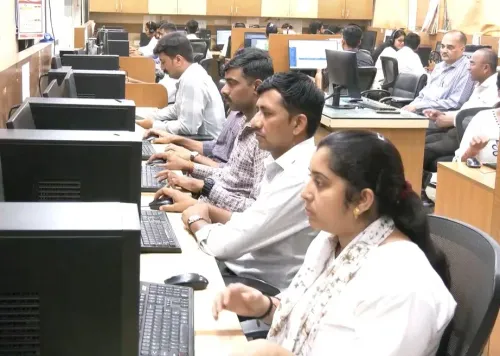
More than 5,300 bank officers and employees across the state participated via video conference.
A real-time fund-freezing mechanism is proposed to act within minutes of a fraud complaint — the 'golden hour' window.
The state government claims Gujarat is the first state in India to undertake such an initiative in this form.
Senior citizens were identified as frequent targets of digital arrest scams; bank staff urged to question large or premature fixed-deposit withdrawals.
Police and bank staff who helped recover citizens' money from cyber fraudsters were honoured at the event.
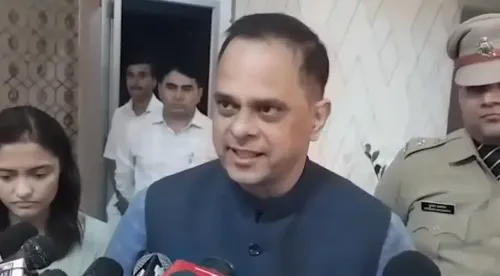
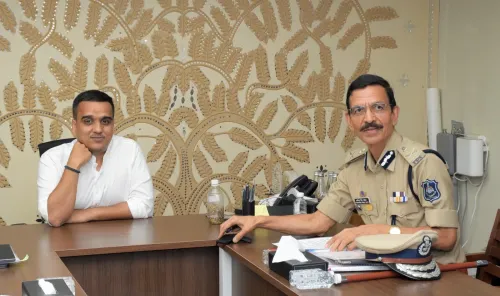
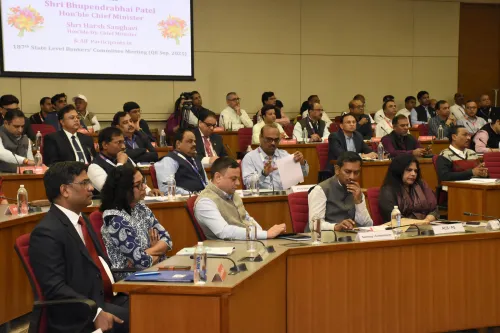
Gujarat on Wednesday, 22 July became what the state government claims is the first state in India to launch a structured, real-time coordination initiative between banks and law enforcement to combat cyber fraud — with a sharp focus on freezing stolen funds during the critical window immediately after a complaint is filed. The initiative was unveiled at a high-level meeting chaired by Deputy Chief Minister Harsh Sanghavi at GIFT City, Gandhinagar, attended by heads of leading banks, senior police officers, and representatives of the Reserve Bank of India (RBI).
Scale of the Initiative
More than 5,300 officers and employees from bank branches across Gujarat joined the meeting via video conference, signalling the breadth of the coordination effort. The gathering reviewed cyber fraud cases reported so far and analysed data to map emerging fraud patterns, with the aim of preparing targeted preventive measures against evolving criminal methods.
At the heart of the initiative is a proposed real-time fund-freezing mechanism — a system designed to allow banks to act within minutes of a fraud complaint being lodged, dramatically improving the odds of recovering stolen money before it is moved beyond reach.
What Sanghavi Said
Sanghavi underscored the urgency of rapid response, stating: 'Even a delay of two minutes by the police or the bank in freezing an account could destroy a family's lifetime savings and social life. This is not merely a routine government protocol or Standard Operating Procedure (SOP), but a sensitive effort to maintain citizens' trust in digital banking.'
He also noted that an in-depth analysis of fraud cases was essential to understand 'evolving patterns of crime and prevent citizens from becoming victims.'
Senior Citizens in the Crosshairs
Sanghavi flagged that senior citizens are among the most frequent targets of digital arrest scams and other forms of cyber fraud. He urged bank staff to exercise heightened vigilance when elderly customers seek to prematurely break fixed deposits or make unusually large withdrawals.
'Whenever a senior citizen comes to prematurely break or withdraw a large fixed deposit, bank staff should act sensitively and politely ask two or three questions to verify the purpose,' he said. He also cautioned banks against cutting corners on quality checks and legal verification while chasing targets for new account openings.
A Bank in Ahmedabad Sets the Standard
Sanghavi cited a recent incident at a bank in Ahmedabad where alert employees intervened in time to prevent a customer from losing 'several lakh rupees' to fraudsters. He commended the staff's vigilance as a model for the sector. Officers and bank representatives who have contributed to saving citizens' money in cyber fraud cases were formally honoured at the event.
Intelligence Sharing and What Comes Next
Officials at the meeting confirmed that the Home Department and senior police officers already analyse data daily on cyber fraud calls, suspicious transactions, and frozen amounts. The next step, they said, is institutionalising real-time intelligence sharing between banks and law enforcement to further tighten the response loop.
The exchange of operational experience between the banking sector and the police was also emphasised as a key pillar of the initiative. If the proposed real-time freezing mechanism is implemented at scale, Gujarat's model could serve as a template for other states grappling with rising digital fraud.
Point of View
But the real test is whether the proposed real-time freezing mechanism moves from meeting-room proposal to operational reality. India's cyber fraud losses have climbed sharply, yet inter-institutional coordination — between banks and police — has historically been the weakest link in the recovery chain. The 'golden hour' framing is correct: once funds are layered through mule accounts, recovery rates collapse. What is missing from this announcement is a binding SLA — a mandated response time with accountability for both banks and police. Without that, this risks being a well-intentioned coordination exercise that stalls at implementation.
NationPress
21 Oct 2026
Frequently Asked Questions
What is Gujarat's new cyber fraud initiative?
It is a coordinated bank-police drive launched on 22 July to freeze funds stolen in cyber fraud cases as quickly as possible after a complaint is lodged. The initiative, chaired by Deputy CM Harsh Sanghavi at GIFT City, Gandhinagar, proposes a real-time mechanism to act within the 'golden hour' window to improve recovery chances.
Why is the 'golden hour' critical in cyber fraud cases?
The golden hour refers to the brief window immediately after a fraud complaint when stolen funds may still be traceable and freezable before they are moved through multiple accounts. Sanghavi warned that even a two-minute delay by police or a bank could result in a family losing its lifetime savings permanently.
Who is most at risk according to Gujarat officials?
Senior citizens were specifically identified as frequent targets of digital arrest scams and other cyber fraud. Officials urged bank staff to sensitively question elderly customers seeking to prematurely break fixed deposits or make unusually large cash withdrawals.
Is Gujarat the first state to launch such an initiative?
According to the state government, Gujarat is the first state in India to undertake a bank-police cyber fraud coordination initiative of this nature. The claim has not been independently verified.
What happens next after this meeting?
Officials plan to institutionalise real-time intelligence sharing between banks and law enforcement. The proposed fund-freezing mechanism is under development, and the Home Department already conducts daily analysis of cyber fraud calls, suspicious transactions, and frozen amounts as a foundation for the system.