Rajnath Singh at Bagdogra IAF base: eastern sector shield, Agniveer update
Synopsis
Defence Minister Rajnath Singh used a Diwali-eve visit to Bagdogra IAF base to deliver two messages at once: a sharp warning about adversarial disinformation and drone threats targeting the eastern sector, and a policy upgrade for Agniveers — a second tour of duty plus a pathway to regular service — in what he called the government's Diwali gift to recruits.
Key Takeaways
Defence Minister Rajnath Singh visited Air Force Station Bagdogra , West Bengal , on 7 November 2026 , the eve of Diwali.
Singh called the IAF personnel stationed there a 'robust protective shield' for India's eastern sector security.
He warned of non-traditional threats including cyber-attacks , drone swarms , proxy conflicts and adversarial disinformation campaigns on social media.
The Cabinet's approval of a 'Second Tour of Duty' for Agniveers was highlighted, with all Agniveers becoming eligible for regular force induction after the engagement period.
Singh reaffirmed the government's Aatmanirbhar Bharat push, noting Indian start-ups' growing role in developing drones and anti-drone systems.
Air Chief Marshal Ashutosh Dixit and Air Commodore Manish Sharma were among senior officials present.
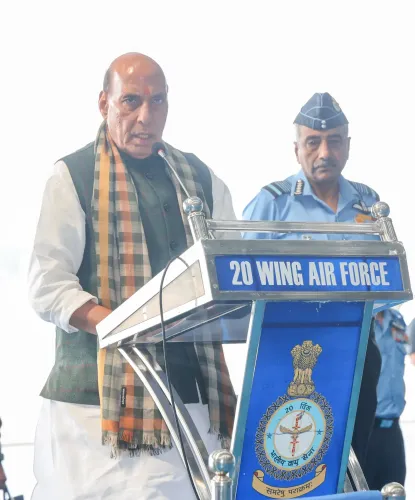
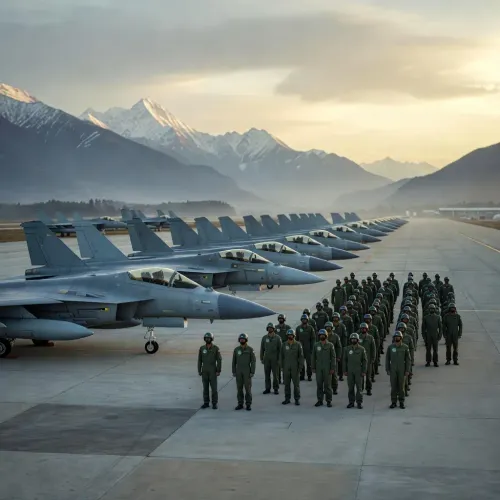
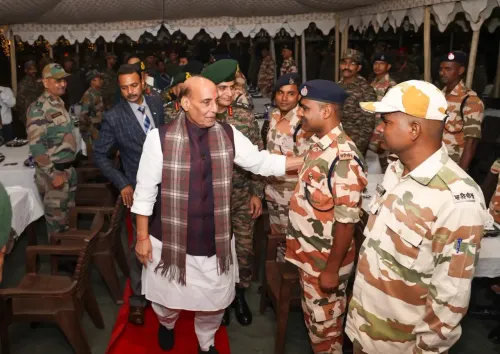
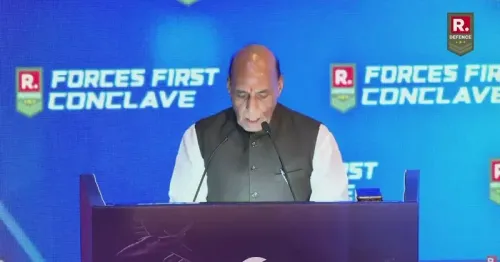
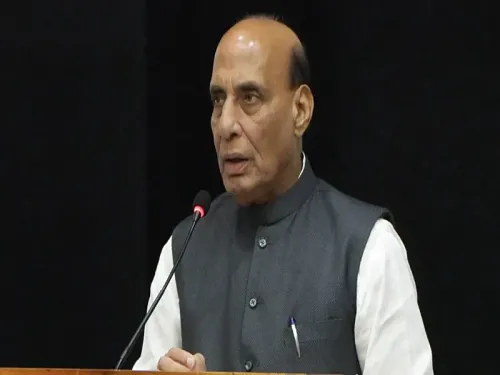
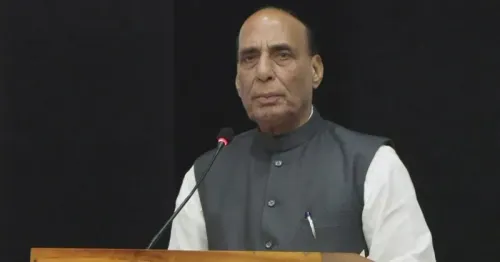
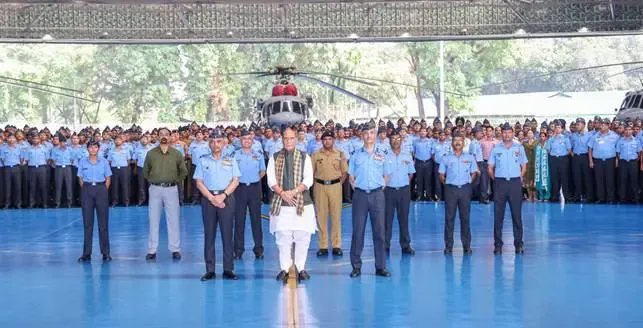
Defence Minister Rajnath Singh on 7 November 2026 visited Air Force Station Bagdogra in West Bengal on the eve of Diwali, interacting with Indian Air Force (IAF) personnel and urging them to sustain the highest standards of operational preparedness. Singh described the Air Warriors stationed in the region as a 'robust protective shield' for the security of the eastern sector, stressing that their readiness plays a vital role in maintaining stability across the strategically sensitive zone.
Modern Warfare and Emerging Security Threats
Singh told the assembled personnel that India's security environment was growing increasingly complex, with modern warfare no longer confined to conventional border confrontations. He flagged asymmetric warfare, proxy conflicts, cyber-attacks, drone swarms, information operations and narrative management as the defining challenges of the current era.
'Often, the adversary avoids direct confrontation and instead seeks to exploit our vulnerabilities. Through social media, the adversary may attempt to sow doubt in the minds of the local population and our soldiers by spreading misleading information. In such a scenario, your role extends beyond that of an ordinary soldier,' the Defence Minister said.
He called for enhanced domain awareness, cyber resilience and information integrity as the three pillars of preparedness against these non-traditional threats. This comes amid a broader strategic focus on the northeastern corridor, where India has been reinforcing its infrastructure and forward deployments in recent years.
Bagdogra's Strategic Significance
Singh described Bagdogra as a strategically significant location and an important node in India's overall security architecture, particularly with reference to the North-Eastern region. He praised the courage, commitment and dedication of personnel deployed there, acknowledging that soldiers stationed away from home often sacrifice time with their families during festivals.
The Defence Minister also emphasised that technological progress could not diminish the foundational importance of discipline and courage. He noted that the behaviour, conduct, language and restraint of military personnel significantly shape how the armed forces are perceived by local communities — a point he underscored by encouraging personnel to deepen their engagement with residents living in and around Bagdogra.
'The more you engage with the local community, the weaker the adversary's conspiracies will become,' he said.
Agniveer Policy Update: Second Tour of Duty
Singh also referenced the Cabinet's approval of a 'Second Tour of Duty' for Agniveers, calling it a significant Diwali gift for the scheme's recruits. Under the updated policy, Agniveers completing their initial engagement period will be eligible for a second two-year stint, after which all of them will have an opportunity to join the regular forces as soldiers, subject to willingness and fulfilment of prescribed selection criteria.
The announcement represents a notable evolution in the Agnipath scheme, which had faced criticism from various quarters since its launch over concerns about long-term career prospects for recruits. The government has maintained that the scheme modernises the age profile of the armed forces; critics argue the career uncertainty it creates has deterred potential applicants in several states.
Aatmanirbhar Bharat and Indigenous Defence Tech
Reiterating the government's commitment to Aatmanirbhar Bharat, Singh highlighted the growing role of Indian start-ups and domestic industries in developing drones, anti-drone systems and other advanced military equipment. He commended the Defence Forces for adopting indigenous technologies and building new capabilities in drone operations and cyber security.
'The military must continue to become increasingly technology-driven,' he said, framing this push as preparation for future security challenges rather than merely a procurement preference.
Senior Officials Present
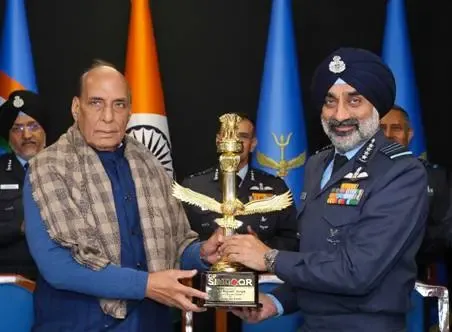
Chief of the Air Staff Air Chief Marshal Ashutosh Dixit, Air Officer Commanding of Air Force Station Bagdogra Air Commodore Manish Sharma, and other senior IAF officials were present during the interaction. Singh extended Diwali greetings to the Air Warriors and their families, expressing gratitude for the sacrifices made by their loved ones in support of the nation's defence.
The visit signals continued high-level political attention to the eastern sector at a time when India's strategic posture in the region remains a subject of close scrutiny.
Point of View
And Singh's remarks on disinformation and social media manipulation reflect a doctrine shift that official messaging has been slow to articulate publicly until now. More substantively, the Agniveer 'Second Tour of Duty' is an implicit acknowledgement that the original scheme's career uncertainty was a liability; the question is whether a second two-year window genuinely addresses the structural insecurity recruits face, or merely defers it. The pathway to regular service sounds reassuring but hinges on 'prescribed selection criteria' that remain undefined — the same ambiguity that has shadowed Agnipath since its troubled rollout.
NationPress
7 Nov 2026
Frequently Asked Questions
What did Rajnath Singh say during his Bagdogra IAF visit?
Defence Minister Rajnath Singh visited Air Force Station Bagdogra in West Bengal on 7 November 2026 and urged IAF personnel to maintain the highest operational preparedness, particularly against cyber threats, drone swarms and adversarial disinformation. He also called the Air Warriors a 'robust protective shield' for India's eastern sector and announced the Cabinet's approval of a Second Tour of Duty for Agniveers.
What is the Agniveer Second Tour of Duty?
The Second Tour of Duty allows Agniveers to serve an additional two-year engagement after their initial period. Upon completing both tours, all Agniveers will be eligible to apply for induction into the regular armed forces as soldiers, subject to their willingness and fulfilment of the prescribed selection criteria. Singh called this a significant Diwali gift for Agniveers.
Why is Bagdogra strategically important for India?
Bagdogra in West Bengal is a key air base in India's northeastern security architecture, providing rapid air access to the strategically sensitive eastern and northeastern regions. Singh described it as a significant location and an important component of India's overall security framework, particularly given border sensitivities in the area.
What security threats did Rajnath Singh highlight at Bagdogra?
Singh highlighted asymmetric warfare, proxy conflicts, cyber-attacks, drone swarms, information operations and narrative manipulation as the key emerging threats. He specifically warned that adversaries may use social media to spread disinformation targeting local populations and soldiers, calling on IAF personnel to deepen community engagement as a counter-strategy.
What was said about Aatmanirbhar Bharat and indigenous defence technology?
Singh reiterated the government's commitment to Aatmanirbhar Bharat and noted that Indian start-ups and domestic industries are playing an increasing role in developing drones, anti-drone systems and other advanced military equipment. He commended the Defence Forces for adopting indigenous technologies in drone operations and cyber security.