Rajnath Singh's Indus water warning to Pakistan draws Opposition fire
Synopsis
Rajnath Singh's vow that Indus waters will not reach 'terror patrons' has exposed a fault line in India's own messaging: the government suspended the Indus Water Treaty after Pahalgam — it did not end it. The Opposition is now using that gap to challenge the BJP's credibility on one of the most politically charged post-Pahalgam pledges.
Key Takeaways
Defence Minister Rajnath Singh on 13 June warned at a Hyderabad BJP event that India would not allow Indus waters to reach 'patrons of terrorism.' The Indus Water Treaty (IWT) was placed in abeyance — not terminated — after the Pahalgam terror attack.
SP MP Rajeev Rai and JMM spokesperson Manoj Pandey accused the government of contradicting its own stated position.
Singh backed the remarks, saying PM Modi had already declared no Indus water would flow to Pakistan.
The MEA has said the IWT stays in abeyance until Pakistan completely stops cross-border terrorism.
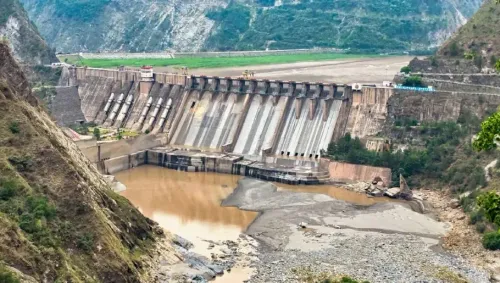
Pakistan had accused India of 'weaponising water' through the Chenab-Beas Link Tunnel Project and Salal Dam silt-flushing plans.
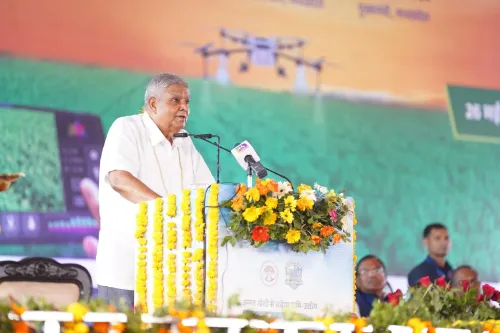
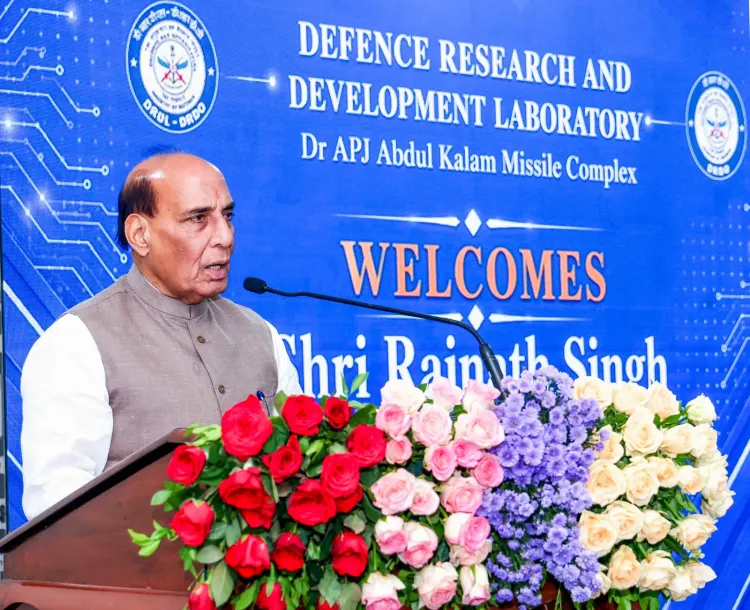
Defence Minister Rajnath Singh on Saturday, 13 June warned that India would not allow Indus waters to reach 'patrons of terrorism', triggering sharp pushback from Opposition parties who pointed out that the Indus Water Treaty (IWT) had only been placed in abeyance — not scrapped — following the Pahalgam terror attack. The remarks were made at an 'Intellectuals Meet' organised by the Telangana Bharatiya Janata Party (BJP) in Hyderabad.
What Rajnath Singh Said
Addressing the gathering, Rajnath Singh declared: 'We had warned that if Pakistan carries out terror attacks in India, we will stop the nation's food and water. By suspending the Indus Water Treaty after the Pahalgam terror attack, we said that those whose tears have dried up should not expect water from us. We will not let the waters of the Sindhu reach the patrons of terrorists and enemies of humanity.'
The statement is a reiteration of Prime Minister Narendra Modi's earlier formulation that 'blood and water cannot flow together.' Singh also used the occasion to defend Operation Sindoor, saying India had demonstrated to the world how to respond to those who do not understand the language of peace.
Opposition Challenges the Claim
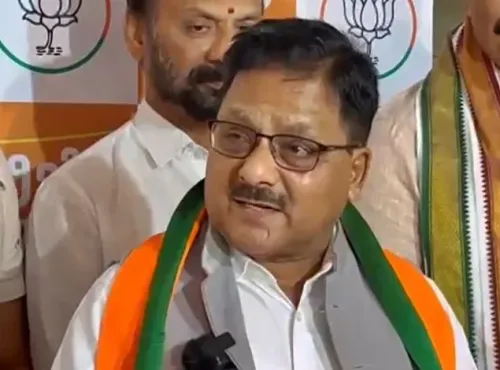
Samajwadi Party (SP) MP Rajeev Rai questioned the government's consistency, saying: 'We were told that the water has not been stopped completely but kept in abeyance. This government says something and does something else. How can we trust them?'
Jharkhand Mukti Morcha (JMM) spokesperson Manoj Pandey was more pointed, alleging that the government's posturing during Operation Sindoor amounted to little more than sloganeering. 'In reality, they have very good relations with Pakistan,' he said, arguing that the water-stoppage claim was 'just for show.'
BJP Defends the Defence Minister
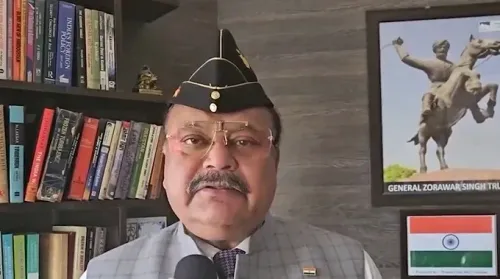
BJP National Spokesperson R. P. Singh backed the minister's remarks, clarifying that Prime Minister Modi had already announced that 'not a single drop of the Indus water will go to Pakistan' and that preparations towards that end were already underway. 'It is very clear, why should India's water go to Pakistan?' he said.
India's Official Stance on the IWT
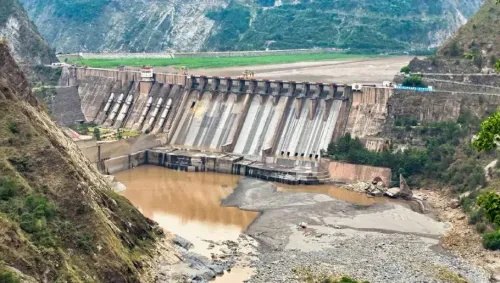
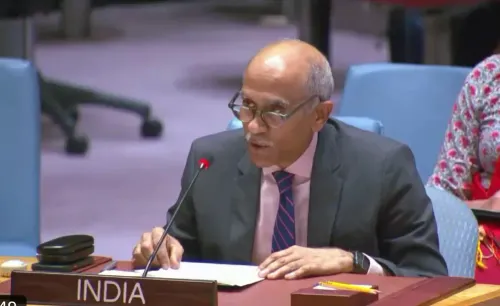
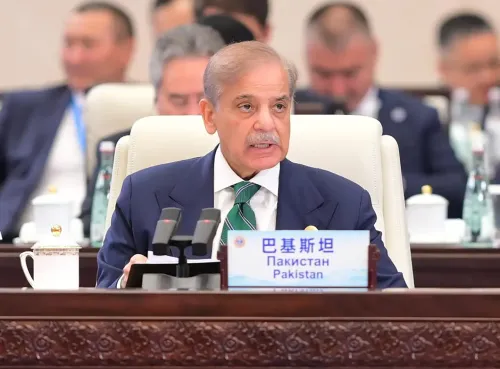
The broader diplomatic context is significant. India's Ministry of External Affairs (MEA) last week reiterated that the Indus Water Treaty would remain in abeyance until Pakistan completely ceases cross-border terrorism. The MEA's statement came in direct response to Islamabad's accusation that India was seeking to 'weaponise water' by advancing the Chenab-Beas Link Tunnel Project and by flushing silt from the Salal Dam reservoir.
The exchange underscores a deepening tension between India's stated policy posture and its treaty obligations — a gap that the Opposition is now pressing the government to clarify publicly. With the IWT's future unresolved, the water question is likely to remain a live political and diplomatic flashpoint.
Point of View
And the government has not publicly explained how it intends to close that gap. Rajnath Singh's language at a BJP event in Hyderabad echoes Modi's 'blood and water' formulation, but without an operational mechanism, the warning risks becoming a political slogan rather than a verifiable policy shift. The MEA's careful 'abeyance' framing suggests the legal and diplomatic calculus is more cautious than the platform rhetoric implies — and that contradiction is precisely what the Opposition is exploiting.
NationPress
27 Oct 2026
Frequently Asked Questions
What did Rajnath Singh say about the Indus waters?
Defence Minister Rajnath Singh said at a BJP event in Hyderabad on 13 June that India would not allow the waters of the Sindhu (Indus) to reach 'patrons of terrorists and enemies of humanity.' He linked the warning to India's suspension of the Indus Water Treaty following the Pahalgam terror attack.
Has India actually stopped Indus water flows to Pakistan?
No. India placed the Indus Water Treaty in abeyance after the Pahalgam attack — it has not been formally terminated, and water flows have not been fully halted. The MEA has said the treaty will remain suspended until Pakistan completely stops cross-border terrorism.
Why is the Opposition questioning the government's position?
Opposition leaders argue there is a contradiction between the government's strong public rhetoric — that water will not reach Pakistan — and the legal reality that the treaty is only in abeyance. SP MP Rajeev Rai and JMM's Manoj Pandey both questioned the government's credibility on this point.
What is Pakistan's position on the Indus Water Treaty dispute?
Pakistan has accused India of seeking to 'weaponise water' by advancing the Chenab-Beas Link Tunnel Project and by flushing silt from the Salal Dam reservoir. India's MEA rejected this framing, reiterating its consistent stance that the treaty is in abeyance due to Pakistan's support for cross-border terrorism.
What is Operation Sindoor and how does it relate to this?
Operation Sindoor was India's military response following the Pahalgam terror attack. Rajnath Singh referenced it at the Hyderabad event to argue that India had demonstrated its resolve against Pakistan-backed terrorism, with the IWT suspension framed as part of that broader pressure campaign.