Raveena Tandon backs India's weavers on National Handloom Day 2026

Synopsis
On the 12th National Handloom Day, Raveena Tandon dressed in locally crafted sarees and invoked the Swadeshi Movement to champion India's master weavers — joining a chorus of film and television personalities calling on Indians to choose handloom over fast fashion. The day's celebrity spotlight puts a cultural industry that employs millions squarely back in the public conversation.
Key Takeaways
Raveena Tandon celebrated National Handloom Day on 7 August 2026 by sharing images in handloom sarees and urging support for local weavers.
She quoted the spirit of the Swadeshi Movement , calling master weavers the foundation of India's cultural identity.
Actress Shriya Saran and television star Apara Mehta also posted tributes honouring India's weaving community.
National Handloom Day commemorates the launch of the Swadeshi Movement on 7 August 1905 .
India's handloom sector is among the country's largest cottage industries, sustaining millions of artisan livelihoods.
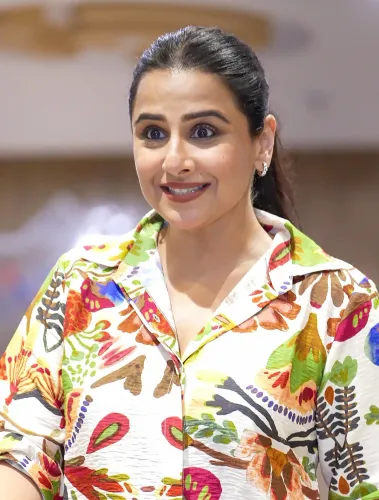
Actress Raveena Tandon marked the 12th National Handloom Day on 7 August 2026 by publicly championing India's weaving community, calling master weavers the custodians of the country's cultural identity. The actress took to social media to share a heartfelt tribute alongside images of herself dressed in sarees crafted by local artisans.
What Raveena Said
In her post, Tandon invoked the spirit of the Swadeshi Movement, writing: 'Swadeshi was built on the idea of standing by our own people, and that starts with our master weavers. Wearing local today with gratitude for the hands that keep our culture alive. #NationalHandloomDay.' The photographs accompanying the message showcased a range of handloom sarees, underlining her personal commitment to locally made textiles.
Other Voices from the Industry
Tandon was not alone in her tribute. Actress Shriya Saran also marked the occasion, writing: 'Behind every thread is a family, a tradition, and days of hard work. Our weavers keep our history alive in the most beautiful way. Celebrating them with #NationalHandloomDay.' Apara Mehta, known for her role in Kyunki Saas Bhi Kabhi Bahu Thi, credited her mother for introducing her to handlooms from childhood. 'I would like to tell everyone to please embrace our handlooms and local textiles and continue our rich heritage of textiles,' she said.
The Significance of National Handloom Day
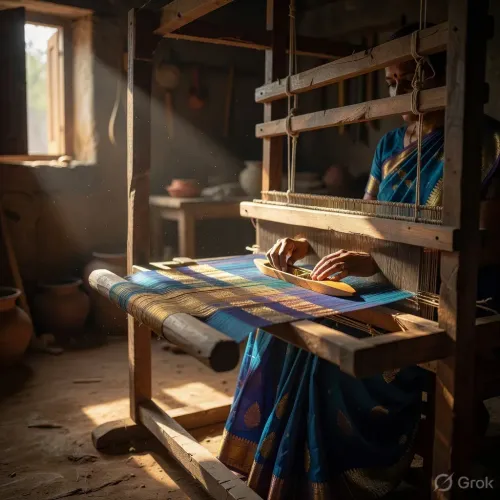
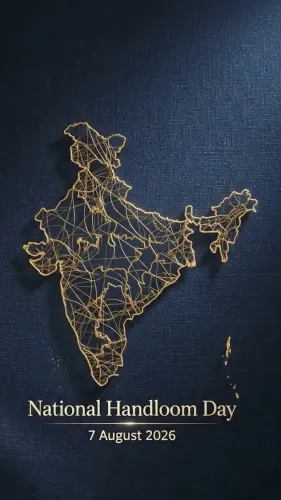
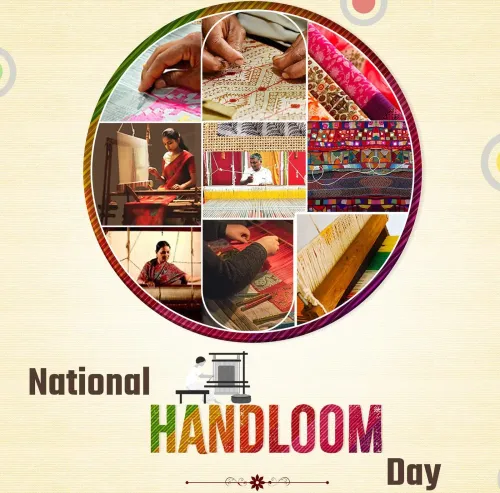
National Handloom Day is observed every year on 7 August to honour India's centuries-old weaving traditions and acknowledge the livelihoods of millions of artisans across the country. The date was chosen to commemorate the Swadeshi Movement, launched on 7 August 1905, which called on Indians to reject foreign goods and embrace domestically produced products — a sentiment that continues to resonate in contemporary calls to support local craftspeople.
Why It Matters
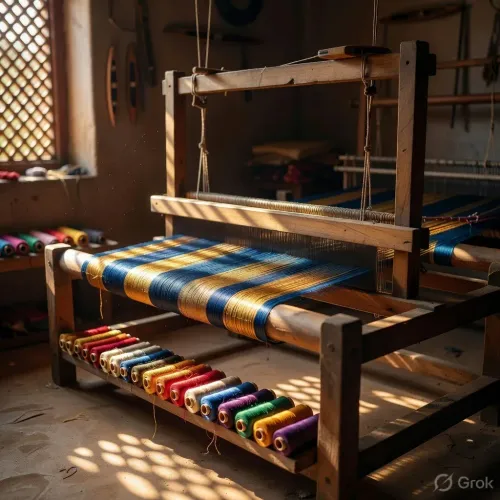
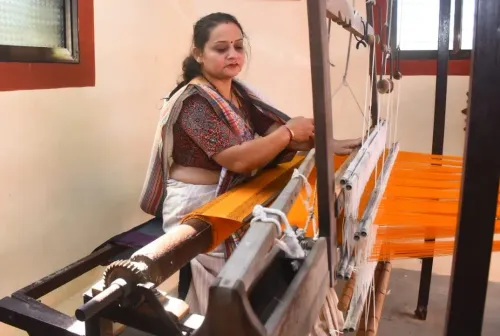
India's handloom sector is one of the largest cottage industries in the country, employing millions of weavers, many of them women in rural areas. Celebrity endorsements on days like this carry measurable influence, often translating into short-term spikes in consumer interest for handloom products. This comes amid a broader cultural push — backed by government campaigns and fashion industry initiatives — to position Indian handlooms as premium, aspirational textiles rather than legacy crafts in decline.
As awareness around sustainable and ethical fashion grows globally, India's handloom traditions are increasingly finding resonance with younger, urban consumers — making advocacy by public figures like Tandon more than symbolic.
Point of View
But the question of lasting impact remains. Social media posts by Bollywood names generate visibility, yet India's handloom sector continues to face structural challenges — falling rural incomes for weavers, competition from power-loom imitations, and inconsistent government procurement. The Swadeshi framing is emotionally resonant, but without consumer follow-through beyond a single day's hashtag, the artisans Tandon celebrates remain economically vulnerable. The real test of this advocacy is whether it converts into sustained purchasing behaviour — and that requires more than a saree photograph.
NationPress
22 Sept 2026
Frequently Asked Questions
Why did Raveena Tandon post about National Handloom Day 2026?
Raveena Tandon marked the 12th National Handloom Day on 7 August 2026 by sharing images of herself wearing handloom sarees and posting a tribute to India's master weavers on social media. She invoked the Swadeshi Movement to urge people to support locally made textiles.
What is National Handloom Day and why is it on 7 August?
National Handloom Day is observed on 7 August each year to honour India's weaving traditions and recognise the contribution of its artisans. The date commemorates the launch of the Swadeshi Movement on 7 August 1905, which encouraged Indians to adopt domestically produced goods.
Which other celebrities supported National Handloom Day 2026?
Actress Shriya Saran and television star Apara Mehta both posted tributes on National Handloom Day 2026. Saran highlighted the family traditions behind every handloom thread, while Mehta encouraged people to embrace Indian handlooms and credited her mother for her early introduction to the craft.
What did Raveena Tandon write in her National Handloom Day post?
Tandon wrote: 'Swadeshi was built on the idea of standing by our own people, and that starts with our master weavers. Wearing local today with gratitude for the hands that keep our culture alive. #NationalHandloomDay.' The post was accompanied by photographs of her in sarees made by local artisans.
Why is the handloom sector important to India?
India's handloom industry is one of the largest cottage industries in the country, providing livelihoods to millions of weavers — a significant proportion of them women in rural areas. It also represents centuries of textile heritage, with regional weaves like Banarasi, Kanjeevaram, and Chanderi recognised globally.