RBI absorbs ₹75,026 crore via VRRR auction to drain banking surplus
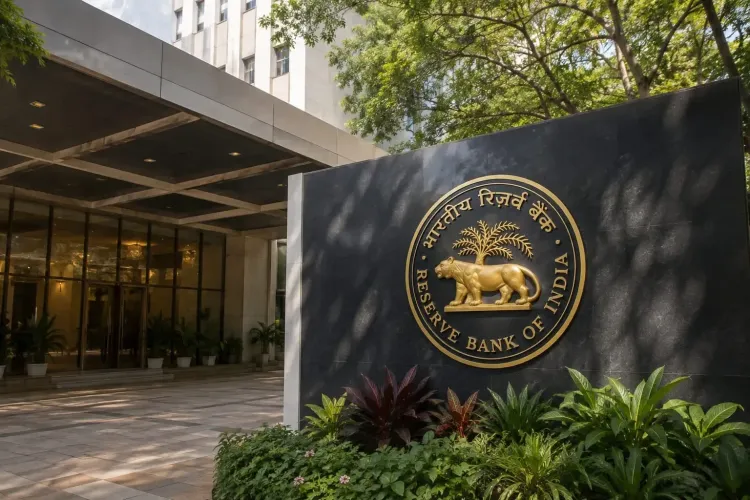
Synopsis
With surplus liquidity in India's banking system sitting at ₹4.45 lakh crore, the RBI is deploying a twin-tool playbook — overnight VRRR auctions and OMO security sales — to prevent rates from slipping away from the repo rate. Wednesday's auction drew ₹87,993 crore in bids for a ₹75,000 crore window, underscoring just how flush banks are right now.
Key Takeaways
RBI absorbed ₹75,026 crore through an overnight VRRR auction on 23 September 2026 .
Auction attracted bids worth ₹87,993 crore against a notified amount of ₹75,000 crore ; cut-off rate at 5.24% .
Banking system surplus liquidity stood at approximately ₹4.45 lakh crore as of 22 September .
RBI conducted OMO sales of ₹50,000 crore on 17 September and ₹25,000 crore on 21 September .
Final OMO tranche of ₹25,000 crore is scheduled for 28 September , completing a ₹1 lakh crore total programme.
Surplus driven by FCNR(B) deposit inflows and government month-end spending on salaries and pensions.
The Reserve Bank of India (RBI) absorbed ₹75,026 crore from the banking system through an overnight variable rate reverse repo (VRRR) auction on Wednesday, 23 September, as part of its continuing effort to drain excess liquidity and keep short-term money market rates anchored to the benchmark policy repo rate.
Strong Demand at the Auction
The auction drew robust participation from banks, with bids totalling ₹87,993 crore received against the notified amount of ₹75,000 crore — an oversubscription that signals the extent of surplus cash parked with lenders. The RBI accepted bids worth ₹75,026 crore, with the cut-off rate and weighted average rate both settling at 5.24 per cent.
Scale of Surplus Liquidity
The absorption comes as system-wide liquidity remains deeply comfortable. According to RBI data, surplus liquidity in the banking system stood at approximately ₹4.45 lakh crore as of 22 September — a level that, if left unaddressed, could push overnight rates well below the repo rate and loosen monetary conditions more than the central bank intends.
The RBI has been running a series of VRRR auctions since last month to mop up excess funds. This tool allows the central bank to borrow from banks at a market-determined rate for short tenors, effectively sterilising surplus rupee liquidity without permanently altering the monetary stance.
OMO Sales Add Another Layer
Alongside VRRR operations, the RBI has supplemented its liquidity management with open market operation (OMO) sales of government securities — a mechanism under which banks and investors buy securities from the central bank, withdrawing rupee liquidity from the system in the process. The RBI conducted OMO sales worth ₹50,000 crore on 17 September and a further ₹25,000 crore on 21 September. The central bank had earlier announced OMO sales totalling ₹1 lakh crore across three tranches; the final tranche of ₹25,000 crore is scheduled for 28 September.
Why Liquidity Is So High
Analysts attributed the elevated liquidity partly to a surge in Foreign Currency Non-Resident (Bank) [FCNR(B)] deposit mobilisation by banks. The inflows brought foreign currency into the system, and subsequent swaps with the RBI injected rupee liquidity into bank accounts. Additionally, government spending on salaries, pensions, and other month-end expenditures has further topped up system cash.
Notably, this combination of FCNR(B) inflows and fiscal spending has created a structural, rather than seasonal, overhang — which is why the RBI has opted for both short-tenor VRRR absorptions and longer-lasting OMO sales simultaneously.
What to Watch Next
The final ₹25,000 crore OMO sale tranche on 28 September will be closely tracked by bond markets for demand signals and yield movement. Sustained oversubscription in VRRR auctions suggests banks remain flush, and further absorption measures cannot be ruled out if liquidity conditions do not normalise ahead of the next monetary policy review.
Point of View
993 crore for a ₹75,000 crore window — is the real story here: it quantifies how uncomfortable lenders are sitting on idle cash at sub-repo rates. The RBI's twin-tool approach of VRRR plus OMO sales is textbook liquidity management, but the scale signals that FCNR(B)-driven inflows have created a more persistent overhang than seasonal patterns alone would explain. The risk is that if the RBI withdraws these tools too early ahead of the next policy meeting, overnight rates could drift lower and effectively deliver an unannounced rate cut — something the MPC has not sanctioned. Bond markets should watch the 28 September OMO demand closely: weak absorption would suggest the system is absorbing the sterilisation, while strong demand signals more operations ahead.
NationPress
23 Sept 2026
Frequently Asked Questions
What is a VRRR auction and why is the RBI using it?
A variable rate reverse repo (VRRR) auction is a tool through which the RBI borrows funds from banks at a market-determined rate for short tenors, thereby absorbing surplus rupee liquidity from the system. The RBI is using it to prevent excess cash from pushing overnight rates below the benchmark repo rate, which would effectively loosen monetary conditions without a formal policy decision.
How much surplus liquidity is there in India's banking system right now?
According to RBI data, surplus liquidity in the banking system stood at approximately ₹4.45 lakh crore as of 22 September 2026. This elevated level has been driven by FCNR(B) deposit inflows and government month-end expenditure on salaries and pensions.
What are OMO sales and how do they complement VRRR auctions?
Open market operation (OMO) sales involve the RBI selling government securities to banks and investors, which withdraws rupee liquidity from the system on a more durable basis than short-tenor VRRR auctions. The RBI has announced OMO sales totalling ₹1 lakh crore in three tranches, with the final ₹25,000 crore tranche scheduled for 28 September 2026.
What rate was set at Wednesday's VRRR auction?
The cut-off rate and weighted average rate at Wednesday's VRRR auction both stood at 5.24 per cent. The RBI accepted bids worth ₹75,026 crore out of total bids received of ₹87,993 crore.
Why has liquidity in the banking system risen so sharply?
Analysts say the primary drivers are a surge in FCNR(B) deposit mobilisation by banks — where foreign currency inflows were subsequently swapped with the RBI, injecting rupee liquidity — combined with government spending on salaries, pensions, and other month-end obligations that added further cash to the system.