PoJK crackdown: Kashmiri activist Tasleema Akhtar slams Pakistan at UNHRC
Synopsis
A Kashmiri activist took the floor at the UN Human Rights Council in Geneva to formally accuse Pakistan of brutally suppressing peaceful protests in PoJK — citing mass arrests, internet shutdowns, and civilian deaths. The intervention puts the region’s deepest unrest in decades squarely on the international record.
Key Takeaways
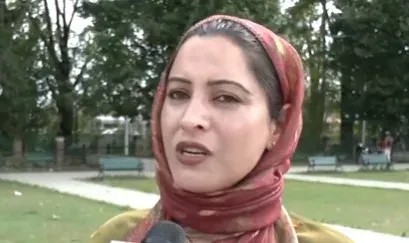
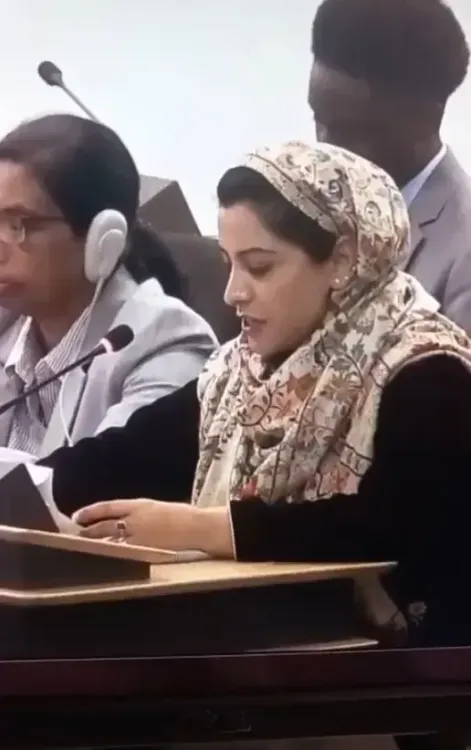
Socio-political activist Tasleema Akhtar addressed the 63rd UNHRC session in Geneva on 23 September 2026 , condemning Pakistan’s crackdown in PoJK .
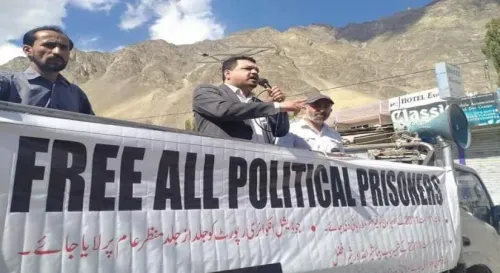
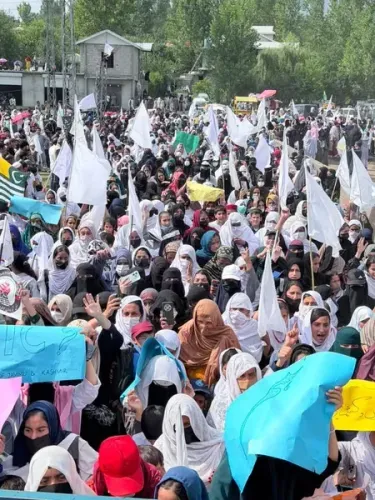
Protests led by the Joint Awami Action Committee (JAAC) over governance and economic issues were met with the arrest of hundreds of activists , detention of key leaders, and an internet shutdown .
Akhtar alleged that violent clashes ‘claimed dozens of lives’ and called for an immediate end to civilian killings by Pakistani security forces.
She demanded UNHRC intervention to restore civic space, resume communications, and conduct an independent probe into each killing.
The PoJK unrest is described as the most extensive confrontation between the local population and the Pakistani state in decades .
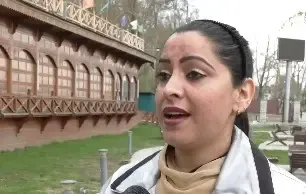
Socio-political activist Tasleema Akhtar publicly condemned Pakistan at the 63rd session of the United Nations Human Rights Council (UNHRC) in Geneva on 23 September 2026, demanding an immediate halt to the ongoing crackdown against protesters in Pakistan-occupied Jammu and Kashmir (PoJK). Akhtar's remarks, delivered from the floor of the UN body, drew sharp attention to what she described as a sustained campaign of repression following mass protests led by the Joint Awami Action Committee (JAAC).
What Happened in PoJK
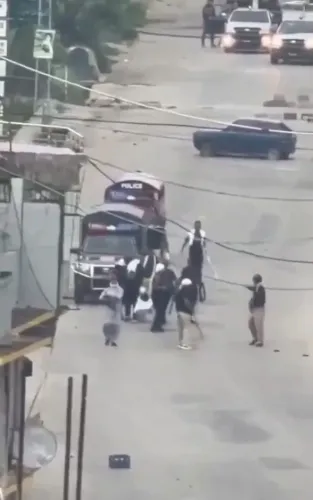
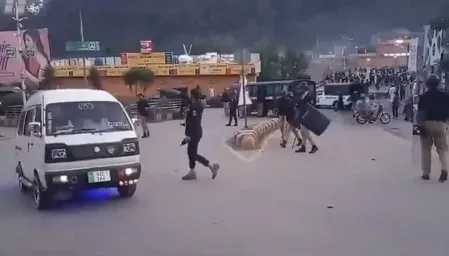
According to Akhtar's statement at the UNHRC, the JAAC and allied civil society groups recently organised peaceful demonstrations across PoJK over deteriorating governance and mounting economic pressures, including rising electricity tariffs and the cost of essential commodities. Pakistani authorities responded by arresting hundreds of activists and supporters, detaining key movement leaders, and suspending internet services across the region.
“The brutal crackdown by the Pakistan government that followed resulted in the arrest of hundreds of activists and supporters, detention of key leaders, internet shutdown and violent clashes that claimed dozens of lives, underscoring continuing political instability and public discontent,” Akhtar said in her address to the council.
Civic Space and Civilian Casualties
Akhtar further highlighted a structural erosion of civic freedoms in the region. “There is a lack of civic space in PoJK besides cases of large-scale reprisals, which require to be addressed. The ongoing killing of innocent civilians by Pakistani security forces in PoJK needs to be stopped at once with immediate protective measures,” she said.
She urged the UNHRC to intervene directly, calling for the restoration of civic space, resumption of communication networks, and an independent probe into every killing — with, in her words, “free and fair access to information related to all cases.”
Context: PoJK's Deepest Unrest in Decades
The protests in PoJK represent what analysts have described as the most extensive and sustained confrontation between the local population and the Pakistani state in recent decades. What began as discontent over electricity prices and commodity costs gradually expanded into a broader political movement demanding accountability, institutional reform, and genuinely representative governance. Reports indicate deadly violence, prolonged internet blackouts, and widespread allegations of police brutality throughout the period of unrest.
Notably, this is not the first time PoJK's governance crisis has found its way onto an international platform, but the scale of the recent crackdown has lent fresh urgency to calls for outside scrutiny.
Contrast with J&K Development, Akhtar Argues
Drawing a deliberate contrast, Akhtar pointed to developments on the Indian side of the Line of Control. “Jammu and Kashmir in India has advanced through skill development since 2024, generating employment and boosting local business. Smart city initiatives and rural infrastructure have further strengthened development,” she told the council. Critics may note this framing reflects a particular advocacy position, and independent assessments of conditions in both territories vary.
What Happens Next
Akhtar's intervention at the 63rd UNHRC session formally places the PoJK crackdown on the council's record. Whether member states follow up with formal resolutions, special rapporteur visits, or bilateral pressure on Pakistan remains to be seen. Human rights organisations monitoring the region have previously called for unimpeded access to document casualties and detentions. The JAAC, for its part, has shown no signs of standing down its demands, signalling that the political pressure within PoJK is unlikely to dissipate in the near term.
Point of View
Economic grievances — exposes a contradiction at the heart of Pakistan’s Kashmir narrative: Islamabad cannot credibly champion Kashmiri self-determination internationally while simultaneously suppressing civic dissent in territory it controls. What mainstream coverage often misses is that the JAAC movement is not separatist in origin — it grew from bread-and-butter issues like electricity bills — making the scale of the state response even harder to defend in any international forum. The real test now is whether the UNHRC moves beyond receiving statements to demanding accountability.
NationPress
23 Sept 2026
Frequently Asked Questions
What did Tasleema Akhtar say at the UNHRC about PoJK?
Tasleema Akhtar, addressing the 63rd UNHRC session in Geneva on 23 September 2026, accused Pakistan of brutally cracking down on peaceful protesters in PoJK led by the Joint Awami Action Committee. She cited hundreds of arrests, the detention of key leaders, an internet shutdown, and violent clashes that reportedly claimed dozens of lives.
What are the JAAC protests in PoJK about?
The protests led by the Joint Awami Action Committee (JAAC) initially erupted over rising electricity prices and the cost of essential commodities in Pakistan-occupied Jammu and Kashmir. They subsequently expanded into a broader movement demanding political reforms, greater accountability, and more representative governance.
What did Tasleema Akhtar demand from the UNHRC?
Akhtar called on the UNHRC to intervene immediately to restore civic space and communications in PoJK, halt civilian killings by Pakistani security forces, and commission an independent probe into each killing with free and fair access to related information.
How significant is the current unrest in PoJK?
Analysts and observers have described the recent wave of protests and the subsequent crackdown as the most extensive confrontation between the local population and the Pakistani state in decades, marked by deadly violence, prolonged internet blackouts, and widespread allegations of police brutality.
What contrast did Akhtar draw with Jammu and Kashmir in India?
Akhtar argued that Jammu and Kashmir under Indian administration has made development strides since 2024, including skill development programmes, employment generation, smart city initiatives, and rural infrastructure improvements — a comparison she used to highlight the divergence in governance outcomes on either side of the Line of Control.