RBI, Vietnam Central Bank sign MoU on digital payments and cross-border QR
Synopsis
India and Vietnam have quietly laid the rails for cross-border QR payments — a move that could reshape how traders, tourists, and businesses transact between the two countries. The RBI-SBV MoU, cleared by the Union Cabinet, is India's latest fintech diplomacy play in the Indo-Pacific, building on existing UPI linkages with Singapore, UAE, and Bhutan.
Key Takeaways
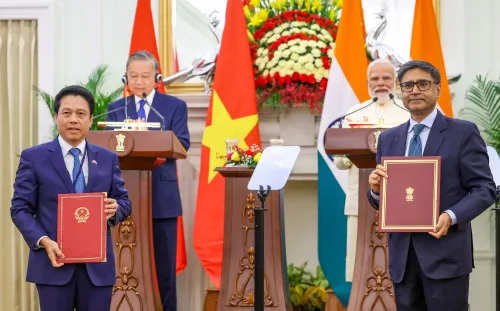
The RBI and State Bank of Vietnam (SBV) signed an MoU on 29 May 2025 to cooperate on digital payments and financial innovation.
The agreement was signed by the Deputy Governors of both central banks and cleared by India's Union Cabinet .
A key focus is developing cross-border QR code-based merchant payments between India and Vietnam.
Cooperation will cover fast payment systems, messaging systems, card switches, and regulatory frameworks.
Officials say the framework will boost trade, tourism, and export opportunities for Indian businesses in Vietnam.
The Reserve Bank of India (RBI) and the State Bank of Vietnam (SBV) signed a Memorandum of Understanding (MoU) on 29 May 2025 to deepen cooperation in digital payments and financial innovation, the Ministry of Finance announced. The agreement, cleared by the Union Cabinet, lays the groundwork for cross-border QR code-based merchant payments between India and Vietnam.
What the MoU Covers
The agreement spans a broad range of cooperation areas: financial innovation, regulatory coordination, information sharing, and the development and oversight of digital payment systems. Both central banks will exchange knowledge on emerging market trends, innovative technologies, standards, best practices, and regulatory frameworks governing financial services.
Crucially, the MoU provides a framework for developing payment system connectivity — enabling real-time, cost-effective, cross-border transactions through fast payment systems, messaging systems, and card switches. It also opens the door for potential joint innovation programmes between the two countries.
Cross-Border QR Payments: The Key Deliverable
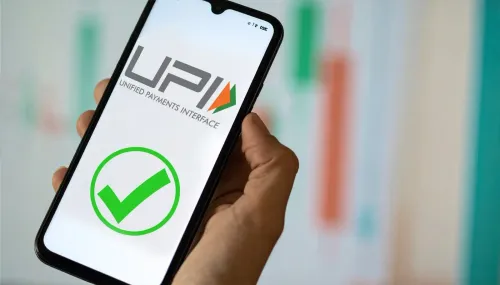
The centrepiece of the arrangement is the development of QR code-based merchant payment connectivity between India and Vietnam. This mirrors India's existing cross-border UPI linkages with countries such as Singapore, UAE, and Bhutan, and signals a continued push by the RBI to internationalise India's payments infrastructure.
Officials said the initiative is expected to make cross-border payments more transparent, real-time, convenient, and cost-effective for individuals and businesses in both nations. The MoU was formally signed by the Deputy Governors of the RBI and the SBV.
Trade and Tourism Impact
According to officials, the payment connectivity framework is expected to facilitate trade and tourism between India and Vietnam, while expanding export opportunities for Indian businesses operating in or dealing with Vietnam. This comes amid growing bilateral economic engagement between the two countries, with India positioning itself as a leading fintech hub across the Indo-Pacific region.
India's Broader Fintech Diplomacy
The RBI-SBV MoU is the latest in a series of cross-border payment agreements India has pursued in recent years. Notably, India has already operationalised UPI-based payment links with several countries, and the National Payments Corporation of India (NPCI) has been actively expanding its international footprint. Analysts argue that such bilateral frameworks reinforce India's soft power in the fintech space while reducing dependence on Western payment rails for regional trade. What happens next will depend on how quickly both sides translate the MoU's broad framework into operational payment corridors.
Point of View
UAE, Bhutan, Nepal, and now Vietnam — a pattern that reflects an intent to make UPI-adjacent infrastructure the default payments layer across the Indo-Pacific. The real question is execution: India's earlier cross-border UPI corridors have seen limited merchant adoption outside tourist hotspots. Unless both sides invest in merchant onboarding and regulatory interoperability at speed, this MoU risks remaining a framework on paper. The Vietnam link, if operationalised effectively, could meaningfully reduce friction for the growing India-Vietnam trade corridor, which has expanded rapidly since global supply chains began diversifying away from China.
NationPress
19 Sept 2026
Frequently Asked Questions
What did the RBI and State Bank of Vietnam sign?
The Reserve Bank of India and the State Bank of Vietnam signed a Memorandum of Understanding on 29 May 2025 to cooperate on digital payments, financial innovation, regulatory coordination, and information sharing. The MoU was cleared by India's Union Cabinet and signed by the Deputy Governors of both central banks.
What is the key feature of the RBI-SBV MoU?
The central deliverable is the development of cross-border QR code-based merchant payment connectivity between India and Vietnam. This is aimed at making bilateral transactions real-time, transparent, convenient, and cost-effective for businesses and individuals in both countries.
How will the MoU benefit Indian businesses and travellers?
The payment connectivity framework is expected to ease trade and tourism between India and Vietnam by enabling seamless digital transactions without the friction of currency conversion intermediaries. Officials say it will also expand export opportunities for Indian businesses operating in Vietnam.
How does this fit into India's broader fintech diplomacy?
India has been systematically building cross-border payment linkages across the Indo-Pacific, with UPI-based corridors already active with Singapore, UAE, Bhutan, and Nepal. The Vietnam MoU extends this network further into Southeast Asia, reinforcing India's positioning as a regional fintech hub.
What areas will the RBI and SBV cooperate on under the MoU?
Cooperation covers financial innovation, regulatory coordination, emerging technology standards, best practices in digital payments, fast payment systems, messaging systems, and card switches. The MoU also provides a framework for potential joint innovation programmes in the future.