RDSS sanctions ₹1.53 lakh crore for loss reduction, ₹1.31 lakh crore for smart metering
Synopsis
India's power distribution overhaul has a price tag: ₹1.53 lakh crore for loss reduction infrastructure and ₹1.31 lakh crore for smart metering under RDSS — covering nearly 20 crore consumers. With only ₹47,124 crore released so far since FY2023, the gap between sanctioned and disbursed funds is the real story.
Key Takeaways
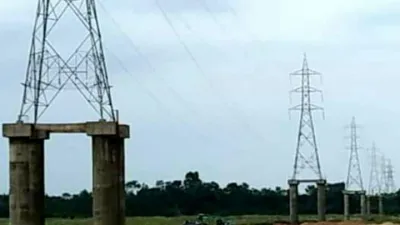
RDSS has sanctioned ₹1.53 lakh crore for loss reduction infrastructure works across India.
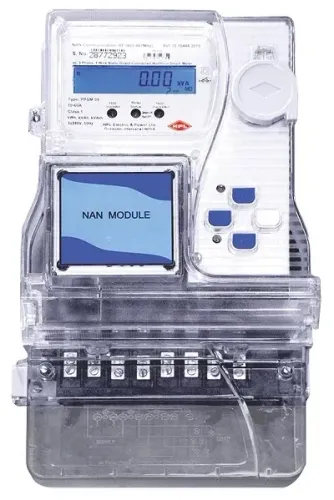
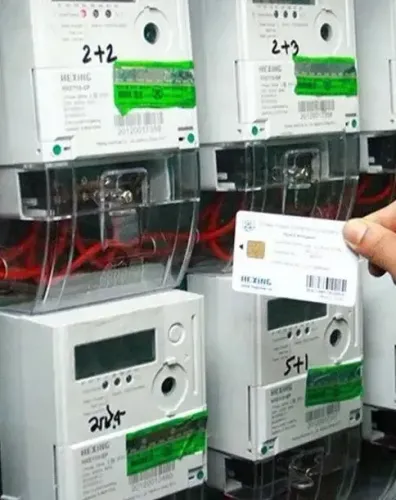
Smart metering assistance worth ₹1.31 lakh crore covers 19.79 crore consumers , 2.05 lakh feeders , and 52.53 lakh Distribution Transformers .
Total funds released under RDSS since FY2023 stand at ₹47,124 crore , including ₹2,733 crore for smart metering.
SCADA/DMS works sanctioned for 394 towns at ₹2,627 crore ; smart distribution works worth ₹8,608 crore for seven cities .
14,853 DISCOM personnel trained under the scheme as of July 2026 , with ₹23.36 crore of the ₹100.9 crore training allocation utilised.
The India Energy Stack (IES) has been launched to create a universal digital data exchange platform for the power sector.
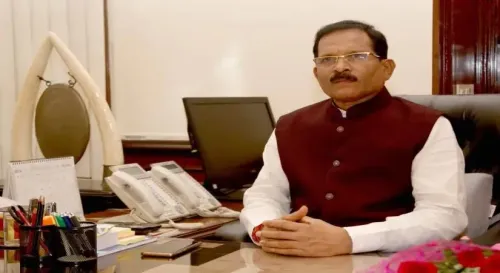
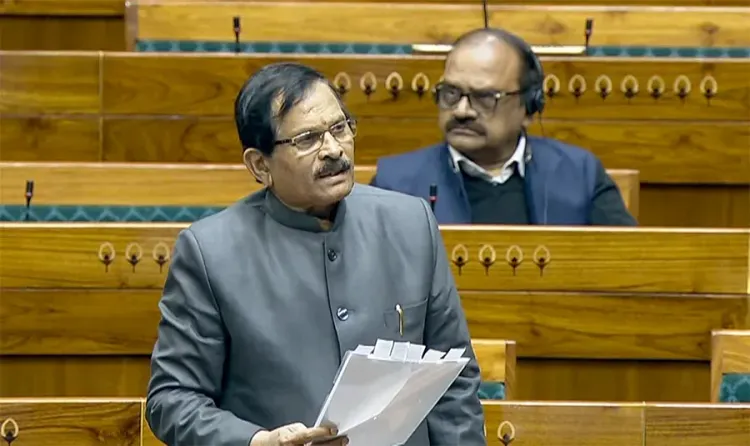
The Revamped Distribution Sector Scheme (RDSS) has sanctioned financial assistance worth ₹1.53 lakh crore for loss reduction infrastructure works and ₹1.31 lakh crore for smart metering projects across India, Minister of State for Power Shripad Naik informed the Rajya Sabha on Monday, 10 August. The disclosures offer the most comprehensive public accounting of RDSS outlays since the scheme's launch.
Scale of Smart Metering Push
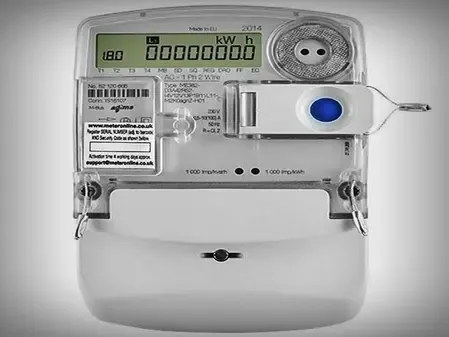
The smart metering component under RDSS covers 19.79 crore consumers, 2.05 lakh feeders, and 52.53 lakh Distribution Transformers (DTs). These installations are central to the government's drive to digitise the distribution segment and curb aggregate technical and commercial losses that have historically burdened state power utilities.
Of the total funds released under RDSS since FY2023, ₹47,124 crore has been disbursed to date, of which ₹2,733 crore has gone specifically toward smart metering works.
SCADA, IT/OT and Smart Distribution Works
SCADA (Supervisory Control and Data Acquisition) and Distribution Management System (DMS) works have been sanctioned for 394 towns at a cost of ₹2,627 crore. IT and operational technology (OT) systems — covering enterprise resource planning, unified billing, GIS, and real-time data acquisition — account for an additional ₹3,999 crore.
Smart distribution works worth ₹8,608 crore have been sanctioned for seven cities, encompassing SCADA and smart technology integration, GIS substations, Distribution Transformer health management, undergrounding of HT/LT lines, and system augmentation and modernisation.
India Energy Stack and Capacity Building
The government has also initiated the India Energy Stack (IES), envisioned as a universal digital enablement platform for data exchange across the power sector. The initiative is designed to accelerate digitalisation of distribution utilities nationwide.
For training and capacity building of DISCOM personnel in digital systems, RDSS allocated ₹100.9 crore. Of this, ₹23.36 crore has been utilised as of July 2026, with 14,853 personnel trained so far.
Centre-State Jurisdiction
Minister Naik noted that electricity is a concurrent subject under the Constitution, and the actual operations of Distribution Companies (DISCOMs) — including consumer-level distribution and digitalisation — fall within the purview of respective state governments and State Electricity Regulatory Commissions (SERCs). The Centre's role under RDSS is thus one of financial facilitation, not direct operational control.
With disbursements accelerating and the IES framework taking shape, the coming quarters will test whether state utilities can absorb and deploy sanctioned funds at the pace the scheme's targets demand.
Point of View
124 crore of the combined ₹2.84 lakh crore sanctioned has actually been released since FY2023. Sanctioning funds and deploying them are two very different things in India's power sector, where state DISCOM finances, land acquisition delays, and procurement bottlenecks routinely stall even well-funded schemes. The Centre's reminder that electricity is a concurrent subject is also a quiet disclaimer: if smart metering targets slip, accountability will be diffused across state utilities and regulators. The India Energy Stack is promising in concept, but its real test is interoperability across 28 states with vastly different legacy systems.
NationPress
25 Sept 2026
Frequently Asked Questions
What is the Revamped Distribution Sector Scheme (RDSS)?
RDSS is a central government scheme aimed at improving the operational and financial health of power distribution companies (DISCOMs) through infrastructure upgrades, smart metering, and digitalisation. It has sanctioned a combined ₹2.84 lakh crore for loss reduction and smart metering works across India.
How many consumers will benefit from smart metering under RDSS?
Smart metering works sanctioned under RDSS cover 19.79 crore consumers, along with 2.05 lakh feeders and 52.53 lakh Distribution Transformers. The rollout is intended to reduce energy losses and enable real-time monitoring of the distribution network.
How much money has actually been released under RDSS so far?
As of the parliamentary statement on 10 August, ₹47,124 crore has been released under RDSS since FY2023, including ₹2,733 crore specifically for smart metering works — a fraction of the total sanctioned amount.
What is the India Energy Stack announced alongside RDSS?
The India Energy Stack (IES) is a government initiative to build a universal digital platform for data exchange across the power sector. It is designed to enable seamless digitalisation of distribution utilities and support real-time data acquisition nationwide.
Who is responsible for implementing RDSS at the ground level?
While RDSS provides central financial assistance, actual implementation rests with state governments and State Electricity Regulatory Commissions (SERCs), as electricity is a concurrent subject under the Indian Constitution. DISCOMs managed by respective state governments carry out the distribution and digitalisation work.