How Are 4.76 Crore Smart Meters Improving India's Power Sector?
Synopsis
Discover how the installation of 4.76 crore smart meters is revolutionizing monitoring in India's power sector. With the Revamped Distribution Sector Scheme set to sanction millions more, learn about the impact on efficiency, reliability, and the transition to renewable energy.
Key Takeaways
4.76 crore smart meters installed for enhanced monitoring.
20.33 crore smart meters sanctioned under RDSS.
Smart metering improves energy efficiency and reduces losses.
Real-time data aids consumers in budgeting.
Government incentivizes reforms in the power sector .
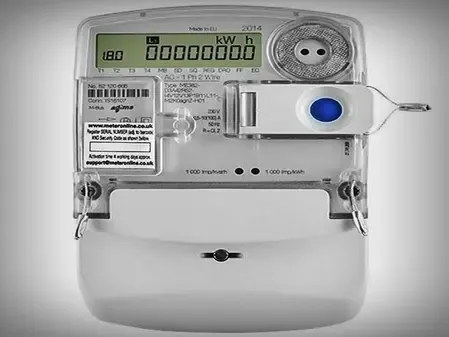
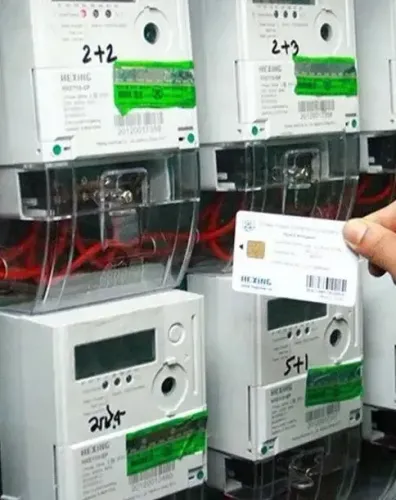
New Delhi, Dec 8 (NationPress) A total of 4.76 crore smart meters have been deployed across the nation to enhance monitoring of the power sector through several initiatives. Under the Revamped Distribution Sector Scheme (RDSS), an additional 20.33 crore smart meters have been approved based on state-level proposals, as reported to Parliament on Monday.
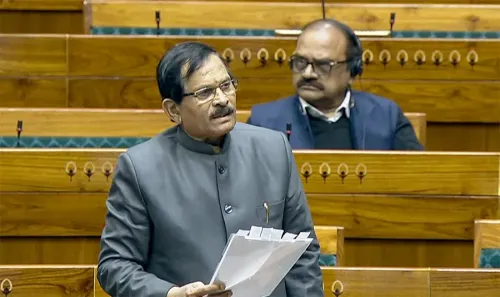
Minister of State for Power, Yesso Naik, disclosed in a written response to a query in the Rajya Sabha that smart metering under RDSS is being executed via a public-private partnership (PPP). The Advanced Metering Infrastructure Service Provider is tasked with supplying, maintaining, and running the metering systems.
These smart meters offer consumers real-time insights into their energy consumption. Furthermore, the data generated from these meters at both the system level—including Feeders and Distribution Transformers—and consumer level delivers comprehensive insights into energy accounting, which distribution utilities are utilizing for energy audits.
The transition to prepaid smart meters enhances budgeting for consumers and boosts cash flow and billing efficiency for utilities.
Monitoring at the substation and grid levels incorporates automation and IT system integration, improving reliability and efficiency. Under RDSS, SCADA (Supervisory Control and Data Acquisition) and DMS (Distribution Management System) systems have been approved, aiding in minimizing outages and enhancing response times to faults through remote monitoring and control, thus boosting the efficiency and reliability of power distribution networks.
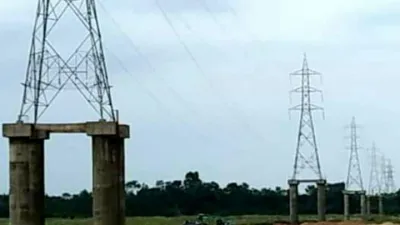
Funds are allocated for modernizing works, which include strengthening and upgrading distribution infrastructure such as substations, transmission lines, and underground cabling. The digital transformation and modernization of the grid are vital for integrating renewable energy sources into the distribution network, facilitating a clean energy transition in the country.
In response to another query, the minister indicated that through collaborative efforts by the Centre and States along with the implementation of reform measures, the Aggregate Technical and Commercial (AT&C) losses of distribution utilities have decreased from 21.91 percent in FY21 to 16.16 percent in FY25.
He further mentioned that the Centre is assisting power distribution utilities in reducing AT&C losses via various initiatives. The Revamped Distribution Sector Scheme (RDSS) aims to enhance the quality and reliability of power through a financially sustainable and operationally efficient distribution sector, targeting a reduction of AT&C losses to a national level of 12-15 percent.
Projects totaling Rs. 2.83 lakh crore have been sanctioned under this scheme, including Rs. 1.53 lakh crore for distribution infrastructure, such as replacing old conductors, installing Low Tension Aerial Bunched cables, and upgrading distribution transformers.
Additionally, state governments have received consent for an extra borrowing limit of 0.5 percent of GSDP (gross state domestic product) as an incentive, contingent upon implementing specific reforms in the power sector.
Point of View
The installation of smart meters represents a significant step toward sustainable energy management in India. It demonstrates the government's commitment to modernizing infrastructure, improving efficiency, and reducing energy losses. This initiative not only benefits consumers with real-time insights but also aids utilities in enhancing operational efficiency. The aim for a lower national AT&C loss reflects a progressive approach to energy distribution in the country.
NationPress
29 Sept 2026
Frequently Asked Questions
What is the Revamped Distribution Sector Scheme?
The Revamped Distribution Sector Scheme (RDSS) aims to enhance the quality and reliability of power distribution by improving operational efficiency and reducing losses.
How many smart meters have been installed in India?
As of now, 4.76 crore smart meters have been installed across the country under various schemes.
What benefits do smart meters provide to consumers?
Smart meters provide consumers with real-time data on energy usage, allowing for better budgeting and improved billing efficiency.
What are Aggregate Technical and Commercial (AT&C) losses?
AT&C losses refer to the losses incurred by utilities during the distribution of electricity, which can result from technical issues and commercial losses.
How is the government supporting power distribution utilities?
The government supports power distribution utilities through various initiatives, including financial assistance and reform measures aimed at reducing losses.