What Can We Learn from 6 Years of the Delhi Riots?
Synopsis
As we reflect on six years since the Delhi riots, a significant gathering at the Indian Law Institute examines the complex interplay of regime change and information warfare. Experts share insights on the broader implications of these events on politics and society.
Key Takeaways
Commemoration of the 2020 Delhi riots Insights from law enforcement and diplomats The role of information warfare in modern conflicts Importance of narrative control in political outcomes Ongoing scholarly engagement is essential
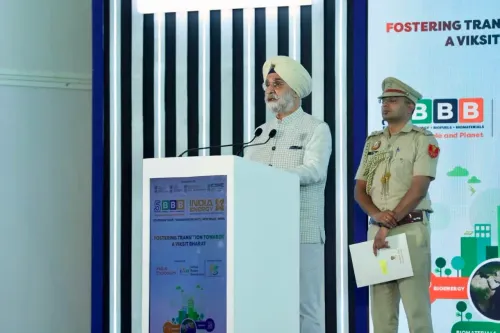
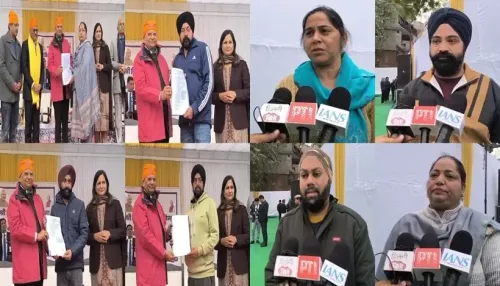
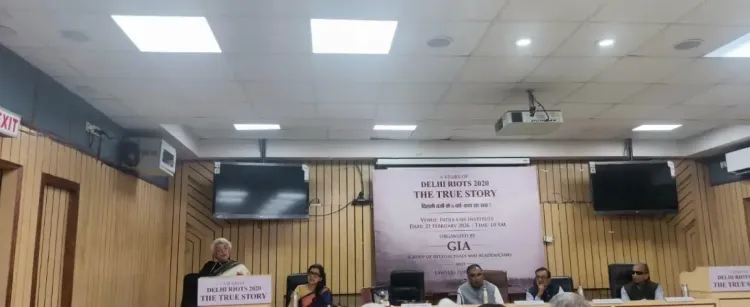
New Delhi, Feb 22 (NationPress) A comprehensive event was held at the Indian Law Institute on Sunday by the Group of Intellectuals and Academicians (GIA) to commemorate six years since the 2020 Delhi riots, analyzing these events through the perspectives of regime change and information warfare.
The gathering featured a distinguished roster of professionals, including retired ambassadors, former bureaucrats, senior police officials, lawyers, and public intellectuals, who aimed to explore various facets of the Delhi riots.
Former Police Commissioner S.N. Srivastava characterized the Delhi riots as part of a wider global trend where disturbances serve as tools for regime change.
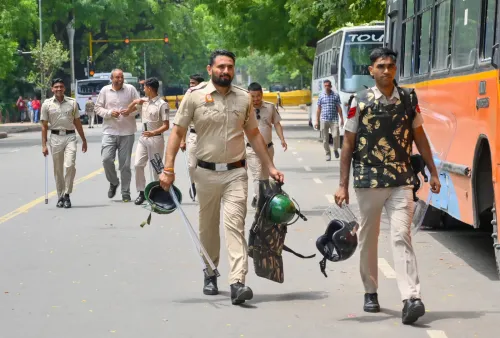
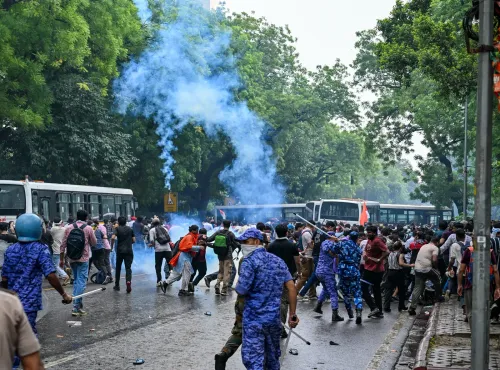
He elaborated on the operational difficulties encountered by law enforcement, noting that in Delhi, rioters allegedly anticipated and aimed to provoke police overreach to intensify protests, drawing comparisons to situations in Bangladesh and Nepal.
Former Research and Analysis Wing Chief, Sanjiv Tripathi, examined the idea of fifth-generation information warfare, emphasizing how riots can act as instruments within contemporary hybrid conflicts that merge narrative construction, psychological tactics, and strategic misinformation.
Former Ambassador Veena Sikri highlighted the Bangladesh model, asserting that narrative control often dictates the political outcomes of such incidents.
She emphasized the critical role of perception management and international messaging in shaping both domestic and global reactions.
GIA Convener Monika Arora described the Delhi riots as an "experiment" aimed at destabilizing regimes.
She underscored the necessity for ongoing scholarly investigation and public awareness to comprehend the structural and informational aspects of these occurrences.
Prominent citizen Chander Wadhawan discussed the implications of the "deep state" and its potential influence on political turmoil.
The event concluded with a unified commitment from the Group of Intellectuals and Academicians (GIA) to continue advancing public awareness, research, and informed discussions surrounding the Delhi riots and related national issues.
Point of View
I recognize the profound impact of the Delhi riots on our society. It is essential to approach these events with a balanced perspective, understanding the multifaceted issues at play, including the political, social, and informational dimensions. Our commitment remains to deliver insightful and responsible journalism that reflects the complexities of such significant events.
NationPress
19 Sept 2026
Frequently Asked Questions
What triggered the Delhi riots in 2020?
The Delhi riots in 2020 were triggered by tensions surrounding the Citizenship Amendment Act, leading to widespread violence and unrest in various parts of the city.
How do experts view the role of information warfare in riots?
Experts suggest that information warfare plays a crucial role in shaping narratives during riots, influencing public perception and political outcomes.
What is the significance of regime change in the context of riots?
Regime change refers to efforts to alter the political power structure, and riots are often seen as tools that can destabilize governments and prompt shifts in leadership.