Rubio: US hunting third-country homes for Afghan allies stuck in Pakistan
Synopsis
Washington is quietly redrawing its Afghan ally playbook. With the relocation office shut and US doors narrowing, Marco Rubio says the new plan is to ship stranded Afghans — many stuck in Pakistan amid deportation drives — to willing third countries. No timelines, no named hosts, and a fast-closing window before Islamabad's crackdown forces the issue.
Key Takeaways
Marco Rubio told the House Foreign Affairs Committee on 4 June that the US is seeking third-country homes for Afghan allies.
Rubio ruled out returns to Taliban-ruled Afghanistan : 'Right now, that's not anyone's plan.' Thousands of Afghan SIV applicants remain stranded in Pakistan awaiting US decisions.
The State Department's Office of Coordinator for Afghan Relocation Efforts has been dismantled, Rep.
Rubio said several countries have expressed interest but named none; applicants will not be forced to a specific destination.
US Secretary of State Marco Rubio on 4 June told lawmakers that Washington is actively scouting third-country resettlement options for Afghan allies stranded abroad — including thousands currently in Pakistan — as the Trump administration overhauls relocation policies for those who aided American forces during the two-decade Afghanistan war.
What Rubio told Congress
The disclosure came during a House Foreign Affairs Committee hearing on Wednesday (local time), where Representative Julie Johnson sharply questioned the administration's handling of Afghan refugees and former US partners. Johnson alleged that the State Department had 'dismantled the Office of Coordinator for Afghan Relocation efforts and halted the visa processing for Afghan allies', warning the move corroded American credibility with future partners.
Rubio responded that the immediate priority was to ensure no Afghan ally is sent back to Taliban-ruled Kabul. 'Right now, that's not anyone's plan,' he said when pressed on forced returns.
The third-country pivot
Rather than expanding direct admissions into the United States, the administration is canvassing governments worldwide to absorb pending applicants. 'I think the plan is to find a third safe country where they can go to that they're comfortable and choosing voluntarily to go there,' Rubio told the panel, adding that Washington was 'looking for more and more countries to step forward'.
He conceded that recent executive actions and tightened immigration rules had narrowed pathways into the US itself, even as application processing continues. 'We continue to process the folks that are applying so that their paperwork is in order,' he said.
Why Pakistan is central
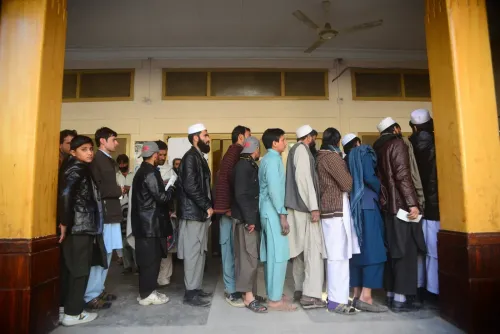
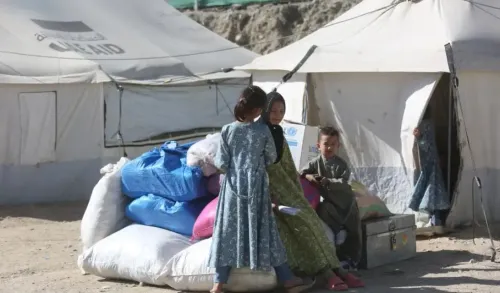
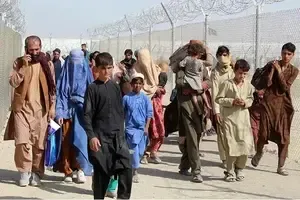
The shift carries outsized weight for Pakistan, which hosts thousands of Afghan Special Immigrant Visa (SIV) applicants and other refugees awaiting US decisions. Many worked as interpreters, contractors, advisers, or support staff for American military and diplomatic missions before the Taliban retook Kabul in August 2021.
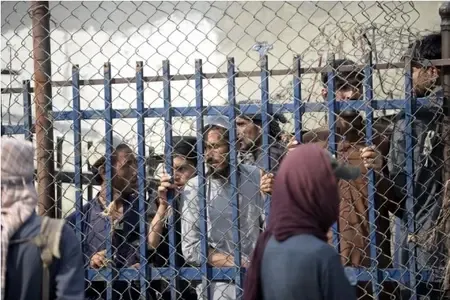
Islamabad has in recent months intensified deportation drives against undocumented Afghans, raising the stakes for any US delay. Rubio said several countries had signalled willingness to accept some applicants, though he did not name them. 'We don't want them stranded forever where they are,' he said.
Choice, not coercion
Asked whether Afghans could be pushed into destinations they did not pick, Rubio insisted the goal was optionality. 'We don't want to force anybody. We want to have multiple countries so they can choose,' he said.
What happens next
The Secretary did not offer a timeline or name the third countries under discussion. With Pakistan's deportation pressure mounting and the relocation office wound down, the pace at which Washington can line up alternative hosts will determine whether the SIV backlog moves — or hardens into a long-term limbo.
Point of View
Despite the wartime debt owed to them. Shuttering the relocation office while promising voluntary alternatives is a contradiction that will be tested in months, not years — Pakistan is already deporting Afghans at scale. Unless Washington names hosts and posts numbers, this risks becoming another quiet abandonment dressed up as choice.
NationPress
20 Oct 2026
Frequently Asked Questions
What did Marco Rubio say about Afghan allies in Pakistan?
Rubio told the House Foreign Affairs Committee on 4 June that the US is working to find third-country resettlement options for Afghan allies stranded abroad, including many in Pakistan. He said the administration would not return them to Taliban-ruled Afghanistan.
Why is the US seeking third countries instead of admitting Afghans directly?
Rubio acknowledged that recent executive actions and tighter immigration measures have complicated direct admissions to the United States. As a result, Washington is engaging other governments willing to host Afghan applicants voluntarily.
How many Afghans are affected in Pakistan?
Thousands of Afghan Special Immigrant Visa applicants and other refugees remain in Pakistan awaiting US relocation decisions. Many worked as interpreters, contractors, or advisers for American forces before the Taliban returned to power in August 2021.
Will Afghans be forced to move to specific countries?
No. Rubio said the administration's goal is to offer multiple options so applicants can choose voluntarily. 'We don't want to force anybody,' he told lawmakers.
What happened to the US Office of Afghan Relocation?
Rep. Julie Johnson said the State Department dismantled the Office of Coordinator for Afghan Relocation Efforts and halted visa processing for Afghan allies under the current administration. Rubio said processing of applications continues even as third-country options are pursued.