Vijayan Government Revises Position on Women's Entry at Sabarimala Temple as Elections Loom
Synopsis
As the Assembly elections approach, the Travancore Devaswom Board has dramatically changed its stance on women's entry at Sabarimala temple, reflecting a pivotal turn in Kerala's polarizing debate. This realignment may impact the political landscape ahead of crucial elections.
Key Takeaways
Devaswom Board reverses its earlier support for women's entry at Sabarimala temple.
Political sensitivity surrounding this issue is heightened as Assembly elections approach .
A revised affidavit will be submitted to the Supreme Court.
The Supreme Court's nine-judge bench will hear related cases starting April 7.
The Centre supports review petitions challenging women's entry.
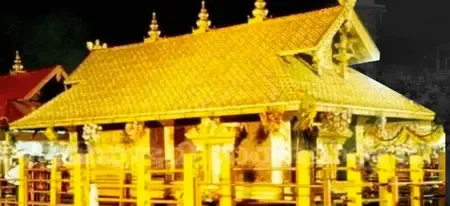
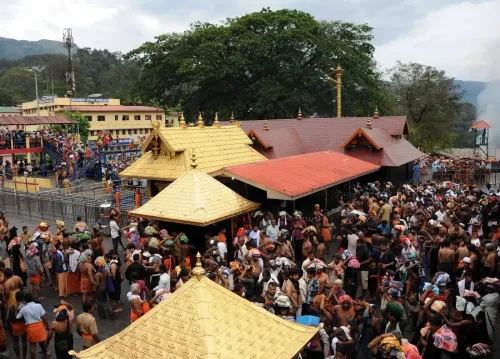
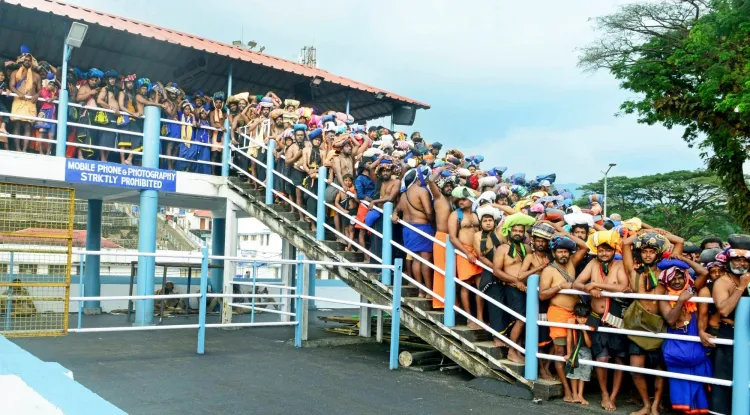
Thiruvananthapuram, March 2 (NationPress) As Assembly elections approach, the Travancore Devaswom Board, overseen by the Left government, has made a surprising reversal regarding the divisive topic of women's access to the Sabarimala temple. This shift marks a significant political development in one of Kerala's most contentious discussions.
Board President K. Jayakumar announced that the Devaswom Board would retract its previous affidavit that supported the entry of women who are menstruating, opting instead to advocate for the preservation of traditional temple customs.
The 2019 affidavit submitted to the Supreme Court of India will be amended accordingly.
This decision comes amid escalating political sensitivities surrounding the matter.
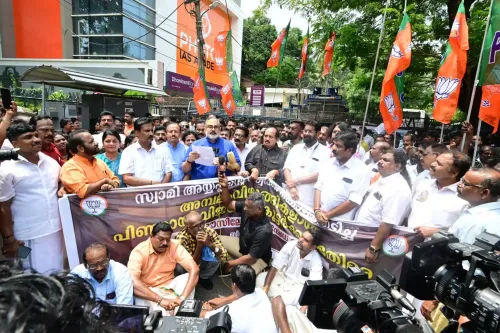
The earlier support for women's entry sparked widespread protests and significant opposition from various devotees, resulting in a political setback for the CPI-M-led government at that time.
This recalibration is perceived as an effort to mitigate renewed activism as elections draw near.
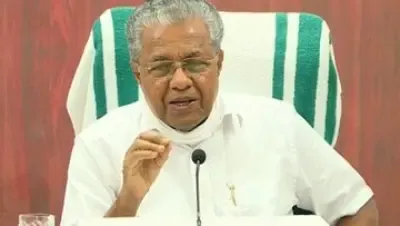
The Left party faced one of its most significant defeats in the 2019 Lok Sabha elections, coinciding with Chief Minister Pinarayi Vijayan's push for the entry of all women, which included a large movement advocating for it.
Last month, the Supreme Court instructed all parties, including the state government, to clarify their positions by March 14.
This puts the Vijayan administration in a challenging position, as it must now formally communicate its stance to the apex court.
While the Devaswom Board aims to uphold tradition, the state's position will be closely scrutinized for both political and legal ramifications.
A nine-judge Constitution Bench, to be established by the Chief Justice, will commence comprehensive hearings on April 7.
Written submissions must be prepared in advance, with arguments expected to conclude by April 22.
The Centre has already shown support for the review petitions contesting the earlier five-judge ruling that allowed women's entry.
Beyond the Sabarimala issue, the court will review 67 related petitions that raise broader constitutional questions regarding the balance between individual rights under Articles 25 and 26, essential religious practices, constitutional morality, and the extent of judicial review in matters of faith.
With both the Devaswom Board and the state government poised to clarify their positions, the Sabarimala issue is set to re-emerge as a focal point in the political landscape just months ahead of the Assembly elections.
Point of View
The recent reversal by the Travancore Devaswom Board highlights the complexities of religious practices and political maneuvering in Kerala. The board's decision to shift its stance ahead of elections underscores the delicate balance between tradition and modernity, revealing how deeply intertwined faith and politics can be.
NationPress
3 Oct 2026
Frequently Asked Questions
What prompted the Devaswom Board to change its position on women's entry?
The Devaswom Board's change in position is largely influenced by the political sensitivities surrounding the upcoming Assembly elections, as well as the backlash they faced previously.
What is the historical context of women’s entry at Sabarimala?
The entry of women into Sabarimala has been a contentious issue, historically barred for women of menstruating age. In 2019, the Supreme Court ruled in favor of allowing women's entry, which led to widespread protests.
When will the Supreme Court hear the Sabarimala petitions?
The Supreme Court is scheduled to begin detailed hearings on April 7, with written submissions due beforehand and arguments expected to conclude by April 22.
What implications does this reversal have for the upcoming elections?
This reversal may influence voter sentiment and mobilization, as it reflects the government's response to a highly sensitive issue that has previously led to political setbacks.
How has the Centre responded to the issue?
The Centre has indicated support for review petitions that challenge the earlier ruling allowing women's entry, suggesting a possible shift in federal support regarding the matter.