Sambhal: How Did This Quiet Hub Become a Watchdog for Terrorism?
Synopsis
In response to growing terror links, the UP government established an ATS unit in Sambhal, a hub for AQIS and other extremist groups. This strategic move aims to enhance security and counter emerging threats in a region known for its communal sensitivity.
Key Takeaways
Establishment of an Anti-Terrorism Squad (ATS) in Sambhal.
Sambhal is a notable operational base for AQIS and other extremist organizations.
Significant communal sensitivities exist in the region.
The ATS aims to tackle rising terrorism threats and enhance local security.
Key figures in terrorism have strong ties to Sambhal.
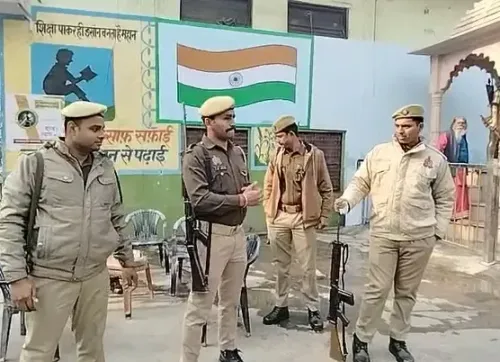
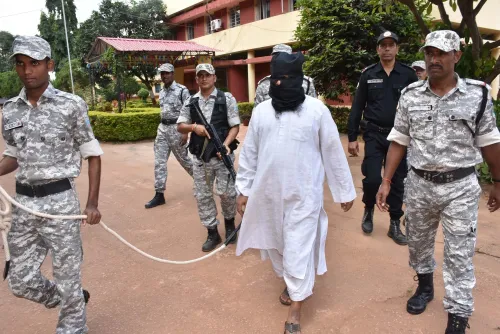
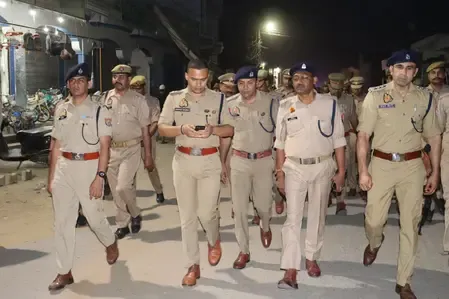
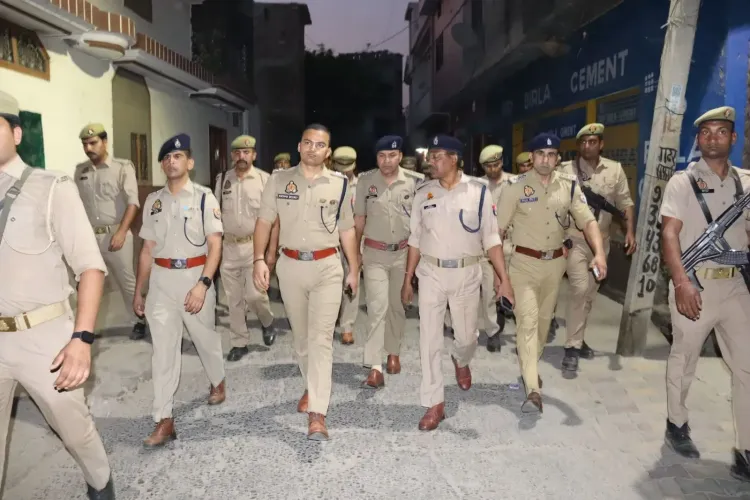
New Delhi, Sep 11 (NationPress) The Uttar Pradesh government has announced the launch of an Anti-Terrorism Squad (ATS) field unit in Sambhal. This initiative is crucial, given the emerging terror connections in the region.
Sambhal has previously served as an operational base for the Indian Mujahideen and the Students Islamic Movement of India (SIMI). Currently, it is a significant center for Al-Qaeda in the Indian Subcontinent (AQIS), with several top leaders originating from this area.
Moreover, Sambhal is recognized for its communal sensitivity. Following the unrest in November 2024, there was a substantial security enhancement in the region. The formation of this new ATS unit marks the first of its kind in the Moradabad Zone, as previous ATS stations were limited to Meerut, Saharanpur, and Noida.
When the AQIS was established in 2014, it intended to extend its operations to Afghanistan, India, Pakistan, and Bangladesh. Over time, however, the AQIS shifted its primary focus to India, selecting Sambhal as a key operational base, a strategy proposed by AQIS operations head Asim Umar, a local resident.
From his base in Afghanistan, Umar appointed another Sambhal inhabitant, Mohammad Usman, to manage the Indian module. Usman, now wanted by UP police, is currently imprisoned in Pakistan.
Although the unrest in November 2024 was perceived as a communal event, intelligence agencies detected a more insidious pattern suggesting anti-India affiliations. They believe that any form of violence constitutes an act of terror, and the AQIS may have played a role, potentially leveraging encrypted platforms to disseminate false narratives.
As the AQIS aimed to broaden its activities in India, Sambhal was the obvious choice due to its history as a favorable operational base for both the Indian Mujahideen and SIMI. One of the initial decisions made by AQIS chief Arman al-Zawahiri was to appoint Umar as the operations head, given his extensive knowledge of UP and Sambhal.
Umar recognized the importance of having someone from Sambhal directly oversee operations in UP and Northern India, leading him to select Usman for the role.
In addition to extremist groups, the Dawood Ibrahim syndicate has a strong presence in Sambhal. Dawood, primarily involved in narcotics trafficking, is linked to the extensive terror network established by the ISI, having been utilized in the past to create terror modules through his connections. His network in UP aids the ISI by providing personnel and funding for terror initiatives and the smuggling of arms and ammunition.
Umar left India in 1989 and has since alternated between Pakistan and Afghanistan, paying particular attention to UP. He would engage with youth in Sambhal and various parts of the state via video, frequently asking provocative questions to radicalize them, such as, “Why isn’t there a storm in your ocean?” and “Is there not a single mother in Uttar Pradesh who can sing to her son, urging him to become a mujahideen?”
Given the influence of AQIS and the D-Syndicate in UP and the strong ties to Sambhal, the establishment of an ATS was imperative.
Point of View
We must recognize the complexities of Sambhal's socio-political landscape. The establishment of an ATS unit signifies a proactive approach to counter potential threats, ensuring national security while addressing the communal sensitivities that exist in the region. It's crucial to support measures that prioritize safety and unity.
NationPress
30 Sept 2026
Frequently Asked Questions
What is the significance of the new ATS unit in Sambhal?
The ATS unit aims to combat the rising terrorism threats linked to AQIS and other extremist groups, enhancing security in a region known for its communal sensitivities.
Which terrorist organizations have operated in Sambhal?
Sambhal has been a base for groups such as the Indian Mujahideen, SIMI, and AQIS, which have utilized the region for operational activities.
What prompted the establishment of the ATS in Sambhal?
The increase in terror connections and the history of communal unrest in Sambhal necessitated a dedicated Anti-Terrorism Squad to address these threats.
Who are key figures associated with terrorism in Sambhal?
Key figures include Asim Umar, the head of AQIS operations, and Mohammad Usman, who managed the Indian module, both of whom have significant ties to the region.
How does the ATS aim to address communal sensitivities in the region?
The ATS will work to enhance security while fostering community trust, ensuring that measures against terrorism do not exacerbate communal tensions.