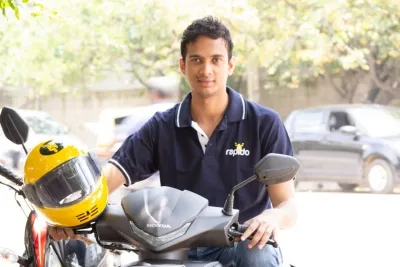
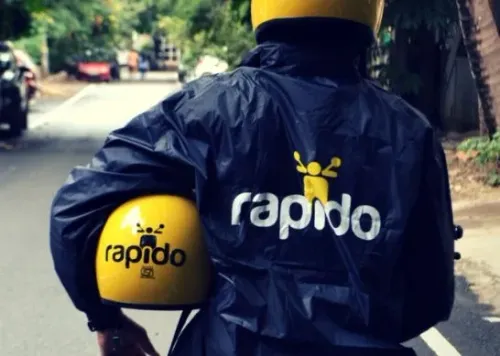
Supreme Court upholds Karnataka High Court ruling, bike taxis get green light
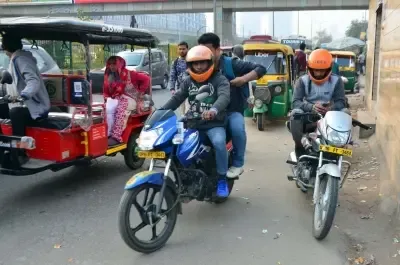
Synopsis
The Supreme Court has shut the door on Karnataka's bid to ban bike taxis, dismissing the state's SLP and affirming that platforms like Ola, Uber and Rapido can keep operating. The ruling forces the state to craft a proper regulatory framework rather than a blanket suspension — a verdict that could set a precedent for bike taxi battles playing out in other states.
Key Takeaways
The Supreme Court on 20 November 2026 dismissed Karnataka 's SLP, upholding the High Court's January ruling lifting the bike taxi ban.
A bench of Justice Satish Chandra Sharma and Justice N.
Kotiswar Singh delivered the order.
The Karnataka High Court had held that motorcycles qualify as transport vehicles under the Motor Vehicles Act, 1988 , and cannot be denied contract carriage permits solely on account of being two-wheelers.
Aggregators ANI Technologies (Ola) , Uber , and Rapido can continue bike taxi operations in the state.
The state government may still impose regulatory conditions on permits under Section 74(2) of the Motor Vehicles Act.
Five auto and taxi driver associations had opposed the High Court ruling, citing unfair competition from bike taxi operators.
The Supreme Court on Friday, 20 November 2026, upheld a Karnataka High Court judgment that had lifted the ban on bike taxi services in the state, clearing the way for platforms such as Ola, Uber, and Rapido to continue operations. A bench of Justice Satish Chandra Sharma and Justice N. Kotiswar Singh dismissed the Karnataka government's special leave petition (SLP), bringing a prolonged legal dispute over two-wheeler commercial transport to a decisive close.
Background: How the Legal Battle Unfolded
The dispute traces its origins to a single-judge bench of the Karnataka High Court, where Justice B. Shyam Prasad had in April 2025 directed bike taxi services to remain suspended until the state framed a formal regulatory framework. That order had prompted cab aggregators — ANI Technologies (Ola), Uber, and Rapido — along with other stakeholders, to appeal against the suspension.
A division bench of Chief Justice Vibhu Bakhru and Justice C.M. Joshi then delivered a landmark ruling on 23 January, setting aside the suspension order. The High Court held that motorcycles used for bike taxi services fall within the definition of transport vehicles under the Motor Vehicles Act, 1988, and that the state government cannot refuse permits solely on the ground that the vehicle seeking registration as a contract carriage is a motorcycle.
What the High Court Ruled
The Karnataka High Court further held that bike taxi operators were entitled to apply for contract carriage permits, while clarifying that the state government retained the authority to impose necessary conditions under Section 74(2) of the Motor Vehicles Act. This nuanced ruling acknowledged regulatory oversight while rejecting an outright ban as legally untenable.
Why the Karnataka Government Challenged It
The state government had approached the apex court raising concerns over passenger safety, insurance coverage, and the absence of adequate safeguards for bike taxi users. Five auto and taxi driver associations had separately challenged the High Court ruling, arguing that permitting bike taxis to operate without comparable regulatory obligations would put existing transport operators at a commercial disadvantage.
Notably, this conflict mirrors tensions seen in other Indian states, including Maharashtra and Delhi, where bike taxi platforms have faced similar regulatory pushback from incumbent transport lobbies wary of competition from app-based two-wheeler services.
Impact on Operators and Passengers
With the Supreme Court's dismissal of the SLP, bike taxi services can continue to operate in Karnataka without the threat of immediate suspension. For the aggregators, this amounts to judicial affirmation of their business model under existing motor vehicle law. For millions of daily commuters in cities like Bengaluru, bike taxis represent an affordable and faster alternative in traffic-congested corridors where four-wheelers and autorickshaws often face supply constraints.
The ruling does not, however, eliminate the state's regulatory role — Karnataka can still impose conditions on permits under Section 74(2), meaning a comprehensive policy framework for bike taxis remains both permissible and pending.
What Happens Next
The onus now shifts to the Karnataka government to design a regulatory regime for bike taxis that addresses the safety and insurance concerns it raised before the courts. Industry observers expect the Centre to also revisit national-level guidelines for two-wheeler commercial transport, an area that has remained in a legal grey zone in several states. How the government frames that framework — and how quickly — will determine the long-term viability of bike taxi services beyond this judicial reprieve.
Point of View
Not the goal. The ruling now places the burden squarely on the state to build a workable framework, something it has repeatedly deferred. Across India, bike taxi regulation sits in a patchwork of state-level orders and aggregator workarounds; a national framework under the Motor Vehicles Act has long been overdue, and this verdict makes that legislative gap harder to ignore.
NationPress
20 Nov 2026
Frequently Asked Questions
What did the Supreme Court rule on bike taxis in Karnataka?
The Supreme Court on 20 November 2026 dismissed Karnataka's special leave petition, upholding the Karnataka High Court judgment that had lifted the ban on bike taxi services. This allows platforms like Ola, Uber and Rapido to continue operating in the state.
Why had the Karnataka government sought to ban bike taxis?
The state government cited concerns over passenger safety, insurance coverage, and the absence of adequate regulatory safeguards for bike taxi users. It had challenged the High Court's January ruling at the Supreme Court through a special leave petition.
What did the Karnataka High Court originally rule on bike taxis?
A division bench of Chief Justice Vibhu Bakhru and Justice C.M. Joshi ruled on 23 January that motorcycles used for bike taxi services qualify as transport vehicles under the Motor Vehicles Act, 1988. The court held that the state cannot refuse contract carriage permits to motorcycles solely because they are two-wheelers.
Can the Karnataka government still regulate bike taxis?
Yes. The High Court clarified that the state can impose necessary conditions on bike taxi permits under Section 74(2) of the Motor Vehicles Act. The ruling lifts the outright ban but does not remove the government's regulatory authority.
Who opposed the High Court ruling apart from the Karnataka government?
Five auto and taxi driver associations challenged the ruling, arguing that bike taxis operating without comparable regulatory obligations would put existing licensed transport operators at a competitive disadvantage.