Dr. Jitendra Singh presents RSSDI diabetes awards in Bengaluru
Synopsis
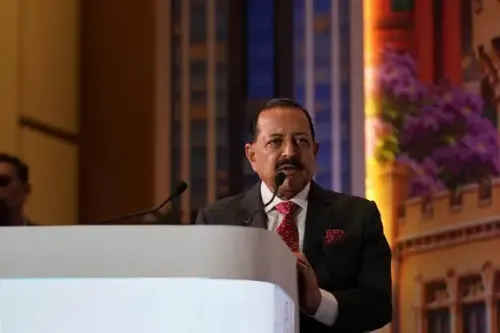
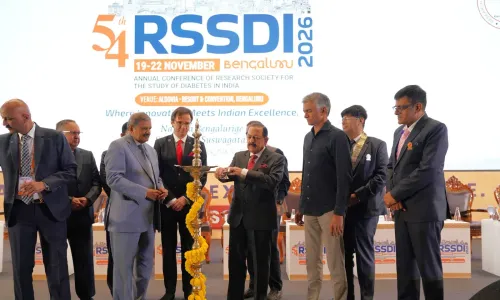
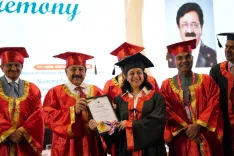
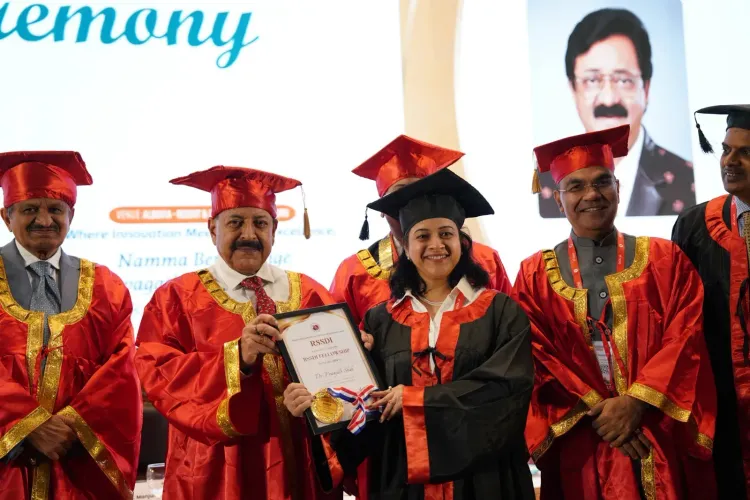
Union Science and Technology Minister Dr. Jitendra Singh presented Fellowship and Appreciation awards at RSSDI's 54th Annual Academic Conference in Bengaluru on 20 November 2026, honouring outstanding contributors to diabetes research and care in India.
Key Takeaways
Jitendra Singh presented Fellowship and Appreciation awards at the 54th RSSDI Annual Academic Conference in Bengaluru on 20 November 2026 .
RSSDI is India's premier professional body for advancing diabetes research, education, and clinical care.
India carries one of the world's largest diabetes populations, making indigenous research and clinical innovation a national priority.
The government's formal framework for diabetes management traces back to the NPCDCS launched in 2010 .
Conference recommendations from RSSDI have the potential to shape updated national diabetes guidelines and research funding priorities.
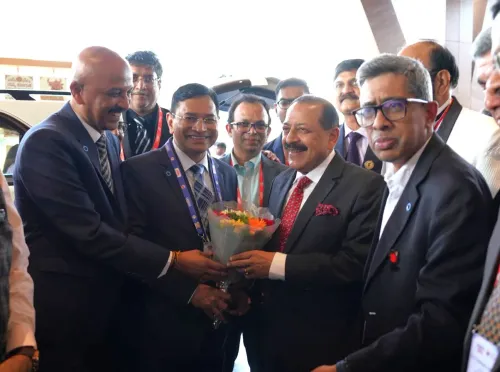
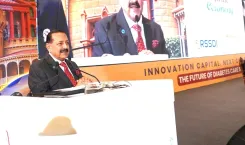
India's diabetes research community gathered under one roof in Bengaluru on Friday, 20 November 2026 — and Union Science and Technology Minister Dr. Jitendra Singh was there to honour the best of them, presenting Fellowship and Appreciation awards for outstanding work in diabetes research and care at the 54th Annual Academic Conference of the Research Society for the Study of Diabetes in India (RSSDI).
India's diabetes burden and the science trying to turn the tide
The stakes of a conference like RSSDI's cannot be overstated. India carries one of the world's largest diabetes populations — a public-health reality that makes every advance in indigenous research and evidence-based clinical care a matter of national urgency. The Research Society for the Study of Diabetes in India has for decades served as the premier professional body channelling that urgency into structured science: annual conferences, peer exchange, and the kind of institution-building that moves the needle from awareness to action.
Bengaluru, home to a dense cluster of research institutions and medical colleges, regularly anchors national scientific gatherings of this scale. The city's scientific infrastructure makes it a natural stage for the country's endocrinologists, clinicians, and diabetes researchers to converge.
A minister with a science portfolio at a science event
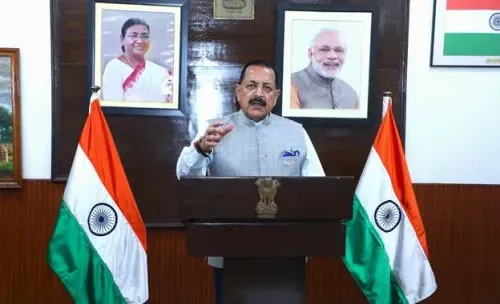
Dr. Jitendra Singh's presence as the award-presenting authority is notable. As the minister holding independent charge of Science and Technology as well as Earth Sciences, and simultaneously serving in the Prime Minister's Office, his participation signals the government's intent to visibly back professional scientific societies and the researchers who populate them. Presenting fellowship awards — the highest recognition a professional society confers — connects federal science policy directly to the practitioners shaping clinical outcomes on the ground.
The government's interest in diabetes management has a formal policy lineage: the National Programme for Prevention and Control of Cancer, Diabetes, Cardiovascular Diseases and Stroke (NPCDCS), launched in 2010, established the institutional architecture for tackling non-communicable diseases including diabetes at scale. What RSSDI's annual conference does is feed the science that keeps that architecture relevant and evidence-based.
What recognition at RSSDI-54 means for the field
Fellowship and Appreciation awards at a body like RSSDI carry weight beyond the ceremony. They signal to the broader research community which lines of inquiry the field considers most consequential — in diabetes research specifically, that can shape funding priorities, clinical protocol updates, and the direction of the next generation of researchers. With successive governments encouraging professional societies to deepen indigenous research capacity, RSSDI's conference recommendations have the potential to inform updated national diabetes guidelines and future research funding calls.
India's diabetes challenge is not shrinking. The researchers and clinicians recognised in Bengaluru today are part of the country's best answer to it.
Point of View
The government's visible endorsement of bodies like RSSDI reinforces the NPCDCS framework with institutional legitimacy. The move also positions the science ministry as an active stakeholder in health research, blurring the traditional boundary between science governance and health policy. For RSSDI and the broader diabetes research community, ministerial participation at the award stage is a soft but meaningful lever for attracting funding and research talent.
NationPress
20 Nov 2026
Frequently Asked Questions
What is RSSDI and what does it do?
RSSDI — the Research Society for the Study of Diabetes in India — is India's foremost professional body dedicated to advancing diabetes research, clinical education, and evidence-based care through annual academic conferences and institutional collaboration.
What awards did Dr. Jitendra Singh present at the RSSDI conference?
Dr. Jitendra Singh presented Fellowship and Appreciation awards recognising outstanding contributions to diabetes research and diabetes care at the 54th RSSDI Annual Academic Conference in Bengaluru on 20 November 2026.
Why is India's diabetes situation considered a public-health crisis?
India has one of the largest diabetes populations in the world, placing enormous strain on the health system and driving the government's NPCDCS programme, launched in 2010, to address non-communicable diseases including diabetes at a national scale.
What is Dr. Jitendra Singh's role in the Indian government?
Dr. Jitendra Singh is Union Minister of State with Independent Charge of Science and Technology and Earth Sciences, and also holds MoS portfolios in the Prime Minister's Office and the Ministry of Personnel.
Could RSSDI conference outcomes influence national diabetes policy?
Yes — research recommendations and clinical consensus emerging from RSSDI's annual conference can feed into updated national diabetes guidelines and shape future research funding calls under the government's non-communicable disease programmes.