India a global diabetes research hub, 12+ projects underway: Dr. Jitendra Singh
Synopsis
India now has over a dozen active diabetes research projects under the Ministry of Science and Technology — and that is just the beginning. At RSSDI 2026 in Bengaluru, Minister Dr. Jitendra Singh pointed to oral insulin startups, temperature-resilient insulin R&D, and indigenous biosimilars like liraglutide as proof that India is not just treating diabetes but racing to redefine how the world researches it.
Key Takeaways
Jitendra Singh declared India a global research hub for diabetes and genetic disorders at RSSDI 2026 in Bengaluru on 20 November 2026 .
More than a dozen diabetes-related research projects are currently underway, primarily through the Department of Biotechnology (DBT) and CSIR .
India has made progress in indigenous biosimilar development, including liraglutide and insulin Lispro .
Ongoing research includes temperature-resilient insulin and oral insulin being explored by startups.
The minister called obesity and diabetes among India's youth a national responsibility, urging collaboration across government, industry, clinicians, and startups.
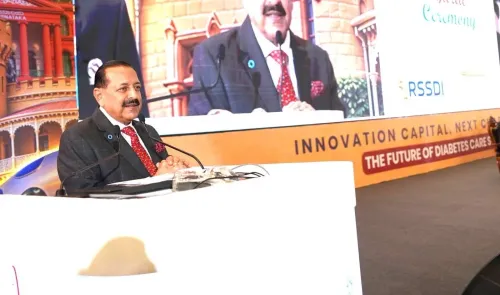
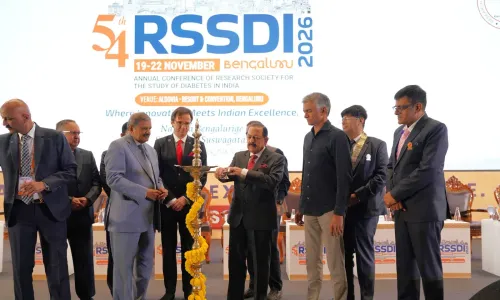
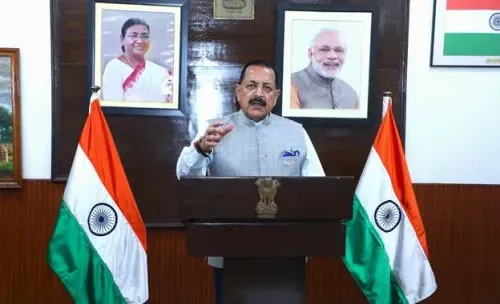
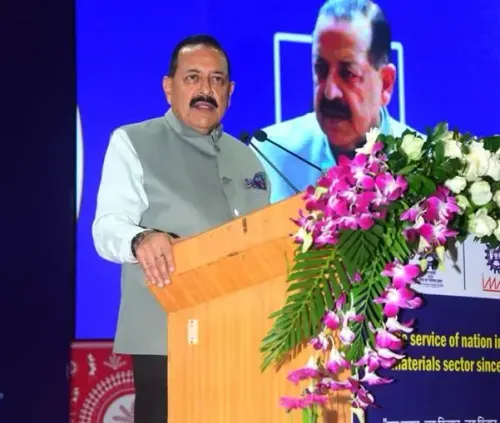
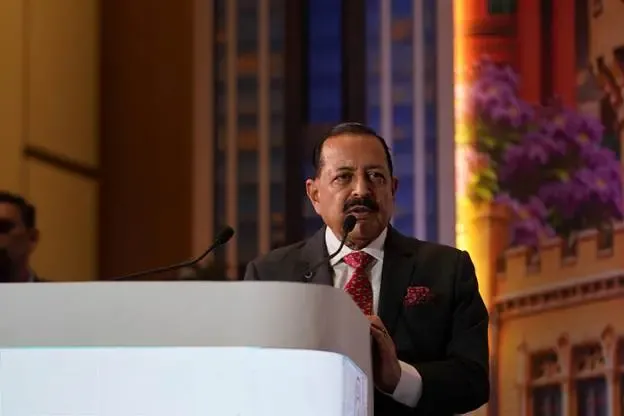
Union Minister of State Dr. Jitendra Singh on Friday, 20 November 2026, declared that India is rapidly emerging as a global research hub for diabetes, genetic disorders, and next-generation healthcare solutions, with more than a dozen diabetes-related projects currently active under the Ministry of Science and Technology. Speaking at the inauguration of RSSDI 2026 in Bengaluru, Singh underscored India's scientific self-reliance and its growing capacity to generate healthcare innovations of both national and global consequence.
Research Projects and Institutions Leading the Charge
According to a statement from the Ministry of Electronics and IT, the majority of these diabetes-related research projects are being conducted through the Department of Biotechnology (DBT), with additional work carried out under the Council of Scientific and Industrial Research (CSIR). The minister highlighted that India's vast population and extraordinary genetic diversity present a unique scientific advantage — one that allows researchers to develop solutions with relevance far beyond Indian borders.
Dr. Singh also pointed to progress in indigenous biosimilar development, including liraglutide and insulin Lispro, as evidence of the country's growing capabilities in producing affordable diabetes treatments at scale.
From Dependence to Indigenous Innovation
The minister outlined a broader transformation in India's scientific and healthcare landscape — a shift, he said, from reliance on external solutions toward homegrown innovation. He cited India's DNA-based COVID-19 vaccine, indigenous antibiotic development, genetic therapy research, biosimilar production, and the India Genome Study as markers of this evolution.
Notably, Dr. Singh drew attention to ongoing efforts to develop temperature-resilient insulin — a breakthrough that could significantly ease storage and transportation challenges in a country with vast rural coverage gaps. He also referenced startups actively exploring oral insulin, stressing the critical role of institutional support in bringing such solutions from laboratory to market.
Precision Medicine and the Threat to India's Youth
Dr. Singh warned that the rising tide of obesity and diabetes among India's younger population is a national responsibility requiring collective action beyond the medical community alone. He emphasised that the growing focus on precision medicine and molecular-level interventions is opening new pathways for understanding Type 2 diabetes and associated metabolic disorders, especially among younger demographics.
The minister called for deeper collaboration between government research institutions, private-sector researchers, clinicians, startups, and medical associations to accelerate the translation of research into usable therapies.
RSSDI 2026: A National Gathering of Diabetes Experts
The RSSDI 2026 conference in Bengaluru brought together leading diabetologists, clinicians, researchers, academicians, and healthcare professionals from across India and internationally. The event served as a platform to showcase India's expanding scientific ambitions in metabolic health, with the minister's address setting an aspirational tone for public-private collaboration in diabetes care.
With more research pipelines maturing and institutional frameworks strengthening, India's role in shaping the global diabetes research agenda appears set to deepen in the years ahead.
Point of View
Biosimilar progress, and emerging oral insulin research are real signals of capacity. But the gap between research output and public health impact remains wide: India hosts one of the world's largest diabetic populations, and affordability, last-mile delivery, and rural access continue to outpace the pace of innovation translation. The minister's call for public-private collaboration is directionally right, but without a structured framework tying research funding to measurable health outcomes, the narrative risks running ahead of the reality.
NationPress
20 Nov 2026
Frequently Asked Questions
What did Dr. Jitendra Singh announce about India's diabetes research at RSSDI 2026?
Dr. Jitendra Singh stated that India is emerging as a global research hub for diabetes and genetic disorders, with over a dozen diabetes-related projects currently active under the Ministry of Science and Technology. He made the announcement at the inauguration of RSSDI 2026 in Bengaluru on 20 November 2026.
Which institutions are leading India's diabetes research?
The majority of diabetes-related research projects are being conducted through the Department of Biotechnology (DBT), with additional work under the Council of Scientific and Industrial Research (CSIR). Startups and private-sector researchers are also active, particularly in areas like oral insulin development.
What new diabetes treatments is India researching?
India is working on temperature-resilient insulin to ease storage and transportation challenges, and startups are exploring oral insulin alternatives. The country has also made progress in indigenous biosimilar development, including liraglutide and insulin Lispro.
Why is India considered well-positioned for diabetes research?
India's vast population and significant genetic diversity offer a unique scientific advantage, enabling researchers to develop healthcare solutions with both national and global relevance. The country also has a large patient base, making clinical research and population-level studies more feasible.