Maharashtra to report property cash deals of ₹2 lakh+ to Income Tax Department
Synopsis
Maharashtra is embedding cash-transaction reporting directly into its property registration software, i-Sarita, so that every deal involving ₹2 lakh or more in cash auto-generates a monthly SFT report to the Income Tax Department. It is a technology-first attempt to close one of real estate's most persistent black-money loopholes — and it follows a Supreme Court order that most states have yet to act on.
Key Takeaways
Maharashtra has directed that all property transactions involving ₹2 lakh or more in cash be reported to the Income Tax Department .
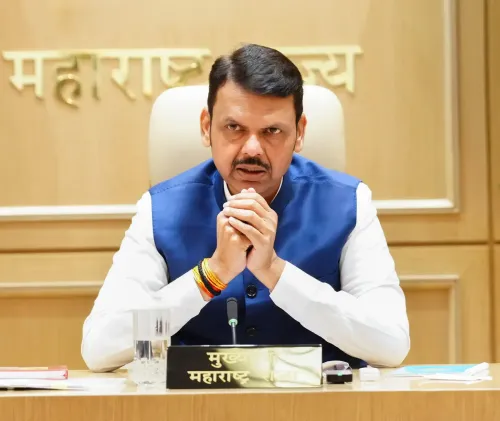
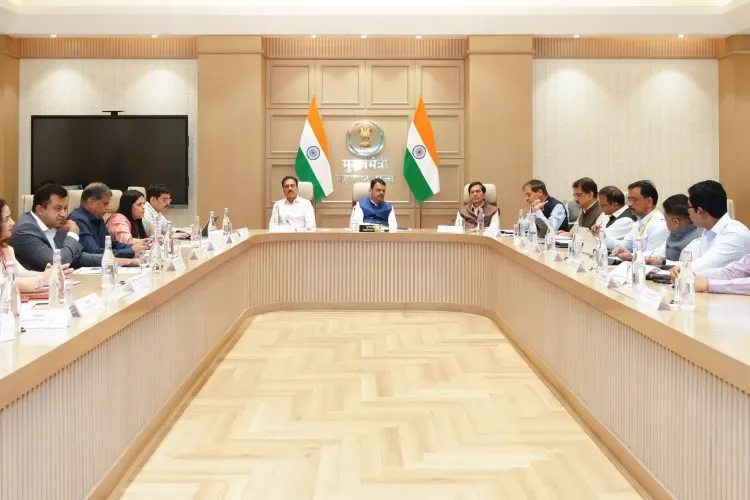
The directive was issued by Revenue Minister Chandrashekhar Bawankule on 20 November 2026 on instructions from Chief Minister Devendra Fadnavis .
The move is backed by a Supreme Court order dated 16 April 2025 and provisions of the Income Tax Act .
The i-Sarita registration system will be upgraded to record cash and cheque payments separately, including party-wise data for multi-buyer or multi-seller transactions.
Statement of Financial Transaction (SFT) reports — including buyer/seller names, PAN numbers , cash amounts, and deed numbers — will be submitted to the Income Tax Department by the 5th of every month .
The Maharashtra government has moved to tighten oversight of cash transactions in land and property deals, directing that any sale or purchase involving ₹2 lakh or more in cash be reported directly to the Income Tax Department. The directive, issued on 20 November 2026, comes on instructions from Chief Minister Devendra Fadnavis and signals a sharper push toward financial transparency in real estate.
Key Directive and Who Issued It
Revenue Minister Chandrashekhar Bawankule on Friday directed the Inspector General of Registration and Controller of Stamps to implement the necessary system upgrades and procedural changes. The move is backed by provisions of the Income Tax Act and follows directives issued by the Revenue Department in light of a Supreme Court order dated 16 April 2025.
Under this framework, any property transaction where cash of ₹2 lakh or more is paid or received must be flagged to the Income Tax Department. Sub-registrar offices across the state have already been asked to submit details of such deeds by the 5th of every month.
How the i-Sarita System Will Be Upgraded
To make compliance more precise, changes are being introduced in the Registration and Stamps Department's 'i-Sarita' system. During document registration, operators will now be able to record separately how much was paid in cash and how much by cheque — capturing complete transaction details at the point of registration itself, eliminating the need for separate manual follow-ups.
'A key feature of the upgraded system is that if a single transaction involves more than one buyer or seller, individual financial details can be entered for each party. The system will maintain separate records of how much each buyer paid and how much each seller received, allowing accurate party-wise transaction data to be sent to the Income Tax Department,' said Minister Bawankule.
What the SFT Report Will Contain
Sub-registrar offices will transmit a Statement of Financial Transaction (SFT) report to the Income Tax Department by the 5th of every month. Each report will include the names of the buyer and seller, their PAN numbers, the total transaction amount, the cash component, the deed number, and the date of registration.
This standardised monthly reporting reduces scope for under-reporting and creates a verifiable paper trail — something that has historically been a weak spot in Maharashtra's property market, where cash components in deals have drawn scrutiny from tax authorities.
What the Government Says This Achieves
Minister Bawankule argued that the upgrade will provide more precise data on cash components in land and property transactions, cut down errors in data collection, and streamline SFT reporting to tax authorities. He described it as 'an important step toward financial transparency and strict legal compliance.'
Notably, this initiative follows a broader national pattern of using technology-linked compliance to curb undisclosed cash in real estate — a sector that has long been flagged by the Enforcement Directorate (ED) and income tax authorities for black money flows. With the i-Sarita upgrade, Maharashtra becomes one of the first states to embed party-wise cash reporting directly into its registration software.
What Happens Next
System upgrades to the i-Sarita platform are being prioritised for rollout across all sub-registrar offices in Maharashtra. Once live, the monthly SFT cycle will begin feeding structured cash-transaction data to the Income Tax Department automatically. Property buyers and sellers involved in cash dealings of ₹2 lakh or above should expect heightened scrutiny, with their PAN numbers and cash amounts forming part of an auditable state-level record.
Point of View
And Maharashtra — home to some of the country's highest-value property markets — is a logical first mover on this. The i-Sarita upgrade is more meaningful than a policy circular because it makes compliance structural rather than voluntary: data flows to the Income Tax Department without a human deciding whether to report. The Supreme Court order that underpins this dates to April 2025, which means Maharashtra is acting more than 18 months later — raising questions about why implementation took this long. The real test will be whether sub-registrar offices, which have historically been pressure points for under-reporting, actually capture cash figures accurately at the time of registration, or whether buyers and sellers simply declare less cash on paper.
NationPress
20 Nov 2026
Frequently Asked Questions
What is Maharashtra's new rule on property cash transactions?
Maharashtra has directed that any property sale or purchase involving ₹2 lakh or more in cash must be reported to the Income Tax Department. Sub-registrar offices are required to submit monthly Statement of Financial Transaction (SFT) reports by the 5th of every month, including buyer and seller names, PAN numbers, cash amounts, and deed details.
Which law and court order back this directive?
The directive is grounded in provisions of the Income Tax Act and follows a Supreme Court order dated 16 April 2025, which directed states to ensure cash components in property transactions are reported to tax authorities. Maharashtra's Revenue Department issued instructions to its registration offices in line with this order.
What changes are being made to the i-Sarita system?
The i-Sarita registration software used by Maharashtra's Registration and Stamps Department is being upgraded to allow operators to record cash and cheque payments separately at the time of deed registration. For transactions involving multiple buyers or sellers, individual payment details can be entered for each party, enabling accurate party-wise data transmission to the Income Tax Department.
Who is affected by this new reporting requirement?
All property buyers and sellers in Maharashtra who use cash of ₹2 lakh or more in a transaction will be subject to this reporting requirement. Their names, PAN numbers, and the cash amount will form part of a structured monthly report sent to the Income Tax Department.
Why does this matter for Maharashtra's real estate market?
Maharashtra hosts several of India's most high-value property markets, including Mumbai, where cash components in deals have historically attracted scrutiny from tax authorities and the Enforcement Directorate. By embedding reporting directly into registration software, the state aims to close a persistent gap in financial transparency and reduce scope for undisclosed cash in real estate.