Maharashtra Government Freezes Ready Reckoner Rates for 2026-27
Synopsis
In a strategic move to support the real estate sector, the Maharashtra government has opted to keep the Ready Reckoner rates unchanged for the 2026-27 fiscal year, aiming to ease the financial load on citizens during property transactions.
Key Takeaways
Maharashtra government keeps Ready Reckoner rates steady for 2026-27 .
Aims to ease financial burden on citizens during property transactions.
Revenue Minister Chandrashekhar Bawankule highlighted significant revenue growth despite unchanged rates.
Target of Rs 68,600 crore set for the next fiscal year.
Technical updates introduced to improve the registration process.
Mumbai, March 31 (NationPress) In a pivotal decision aimed at strengthening the real estate landscape, the Maharashtra government has chosen to keep the Ready Reckoner rates unchanged for the financial year 2026-27.
The announcement was made by the Office of the Inspector General of Registration and Controller of Stamps on Tuesday, confirming that the rates effective from April 1, 2026, will mirror those of the previous fiscal year (2025-26).
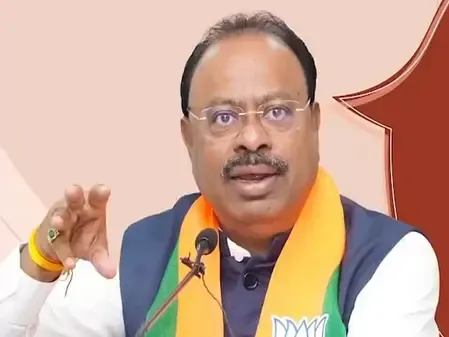
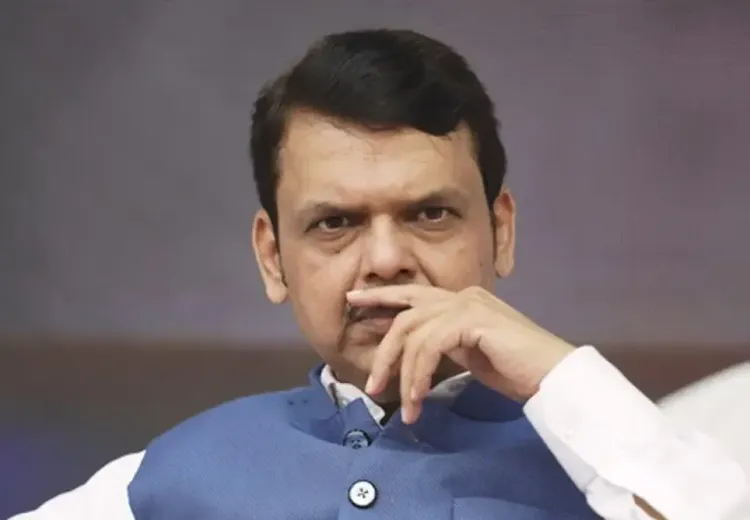
This resolution was reached by Revenue Minister Chandrashekhar Bawankule following guidance from Chief Minister Devendra Fadnavis.
Minister Bawankule articulated that maintaining stable rates for 2026-27 is intended to prevent an additional financial burden on average citizens engaged in property transactions.
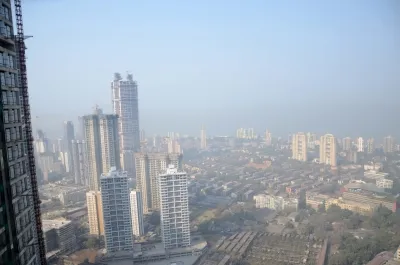
The Ready Reckoner rate, also referred to as the circle rate, serves as the minimum property value established by the state government for designated areas, utilized as a standard for calculating stamp duty and registration fees.
This mechanism ensures equitable taxation, safeguards against the undervaluation of property transactions, and is revised annually based on factors such as location, amenities, and market dynamics, according to a revenue department official.
“Even with stable rates, the Department of Registration and Stamps has reported a remarkable increase in revenue. As of March 30, 2026, the state amassed a total of Rs 60,568.94 crore for the 2025-26 fiscal year. The ‘I-Sarita’ system was the primary driver, contributing Rs 49,534 crore to the total revenue,” noted Minister Bawankule.
He further mentioned that in the annual budget for 2026-27, the government has established a mobilisation target of Rs 68,600 crore through stamp duty and registration fees.
While the rates remain steady, Minister Bawankule indicated that the department has introduced various technical enhancements to the Annual Statement of Rates to improve precision.
These enhancements include the execution of sanctioned Regional and Development Plans, registration of new survey numbers, and rectifications regarding missing villages or village names. These initiatives aim to render the document registration process more transparent and accurate, he added.
According to the government release, historical data reveals fluctuations in Ready Reckoner rates statewide.
“In 2017-18, the average increase in Ready Reckoner rates was 5.86 percent, while in 2020-21, there was a slight increment of 1.74 percent due to the COVID-19 pandemic. The rates increased by 4.81 percent in 2022-23 and remained stable for the subsequent two years. In 2025-26, rural areas experienced a 3.36 percent increase, municipal councils 4.97 percent, and municipal corporations 5.95 percent, with the Mumbai Municipal Corporation area witnessing a rise of 3.39 percent,” the release stated.
Point of View
The Maharashtra government's decision to maintain Ready Reckoner rates reflects a careful balancing act between fiscal responsibility and public welfare. By avoiding increases, the administration seeks to protect citizens from additional costs in real estate transactions, illustrating a commitment to support the housing market.
NationPress
5 Oct 2026
Frequently Asked Questions
What are Ready Reckoner rates?
Ready Reckoner rates, also known as circle rates, are the minimum property values set by the state government for various areas, which help calculate stamp duty and registration fees.
Why did the Maharashtra government keep the rates unchanged?
The government aims to prevent additional financial burdens on average citizens during property transactions, thereby supporting the real estate sector.
How does the Ready Reckoner impact property transactions?
These rates serve as a benchmark for calculating taxes and fees on property transactions, ensuring fair valuation and preventing undervaluation.
What revenue targets has the government set for 2026-27?
The government has set a mobilisation target of Rs 68,600 crore through stamp duty and registration fees for the 2026-27 fiscal year.
How has the revenue from property transactions changed?
Despite stable rates, the Department of Registration and Stamps reported a significant revenue increase, collecting Rs 60,568.94 crore in the previous fiscal year.