Smriti Irani mourns Padma Vibhushan folk legend Dr. Teejan Bai
Synopsis
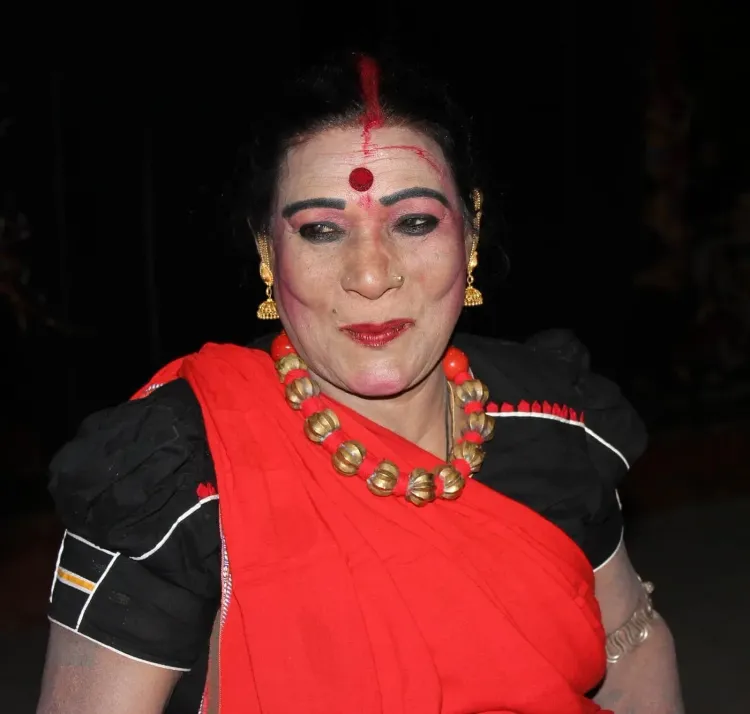
BJP leader Smriti Irani mourned the passing of Dr. Teejan Bai, the Padma Vibhushan-honoured Pandavani maestro from Chhattisgarh, calling her life an exemplary symbol of Indian folk heritage and women's strength.
Key Takeaways
BJP leader Smriti Irani posted a Hindi tribute on 5 July 2026 mourning the death of Dr.
Teejan Bai was a recipient of the Padma Vibhushan , India's second-highest civilian honour.
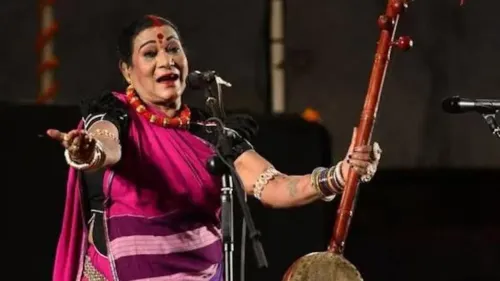
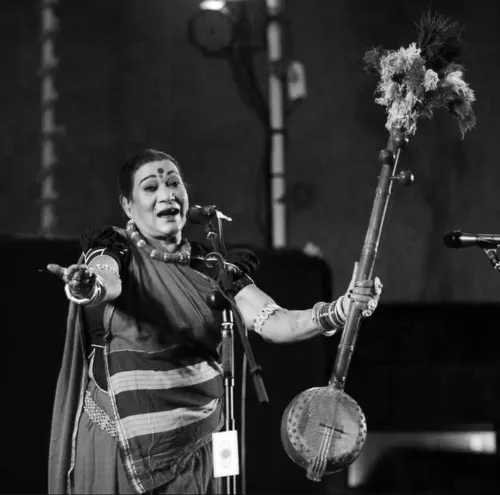
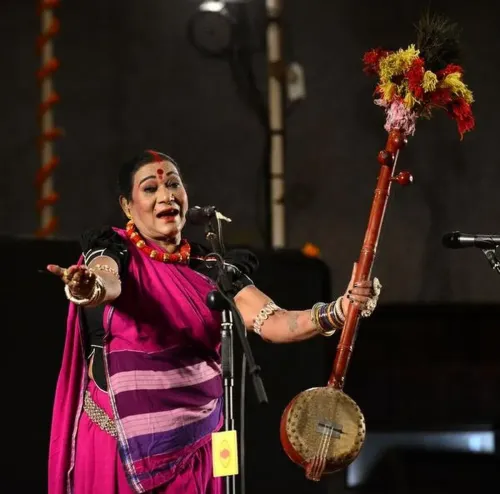
She was the foremost exponent of Pandavani , a Chhattisgarh folk form centred on Mahabharata storytelling.
Irani credited Teejan Bai with taking Pandavani 'from the village chaupal to the global stage.' The tribute invoked nari shakti , framing Teejan Bai's career as a symbol of women's courage and resolve in sustaining Indian folk arts.
Memorial events and cultural programmes in Teejan Bai's honour from state and central institutions are anticipated.
BJP leader and former Union Minister Smriti Irani on Sunday, 5 July 2026, paid tribute to Dr. Teejan Bai, the Padma Vibhushan-honoured maestro of Pandavani, calling her passing 'the close of a golden chapter in India's folk tradition.'
Context
Irani's post, written in Hindi, mourned the death of Dr. Teejan Bai, describing her as an 'apratim sadhika' (unparalleled devotee) of Pandavani — the traditional Chhattisgarh folk form built around episodes from the Mahabharata. She wrote that Teejan Bai had carried Pandavani 'from the village chaupal to the global stage' through the power of her performance. Irani also prayed for the departed soul to find peace and for strength to be granted to her bereaved family, disciples, and admirers, closing with the traditional invocation 'Om Shanti.'
Policy Backdrop
Dr. Teejan Bai was one of the most celebrated recipients of the Padma Vibhushan, India's second-highest civilian honour, instituted in 1954 to recognise exceptional contribution to arts, culture, literature, and public service. Her art form, Pandavani, is rooted in Chhattisgarh and involves solo vocal storytelling of Mahabharata narratives, historically performed before rural audiences. Over decades, successive governments and cultural institutions used civilian honours and national festivals to bring such regional traditions to wider, including international, audiences — a trajectory that Teejan Bai's own career embodied.
Leaders across the political spectrum have consistently issued public condolences on the passing of Padma-awarded artists, framing regional folk forms as inseparable from national cultural heritage. Irani's tribute follows that established pattern while also invoking the theme of nari shakti — women's strength — noting that Teejan Bai's life was 'an exemplary illustration of the courage, struggle, and resolve of Indian folk art, cultural heritage, and women's power.'
Stakeholders and Impact
Teejan Bai's passing is felt most immediately by the community of Pandavani practitioners and folk-art institutions in Chhattisgarh, as well as her disciples who have trained under her. Her decades of performance also built an international audience for the form, making her loss significant beyond regional borders. Women folk performers across India, who often cite her as a trailblazer who broke social barriers to sustain an oral tradition, lose a defining icon.
The broader cultural ecosystem — from government-run Sangeet Natak Akademi programmes to state-level folk festivals — will need to consider how Teejan Bai's legacy and the Pandavani tradition are preserved and transmitted to younger generations.
What's Next
Official statements from the Chhattisgarh government and central cultural bodies on memorial events, state honours, or dedicated cultural programmes in Teejan Bai's name are expected in the coming weeks. Her disciples and associated institutions are likely to announce initiatives to document and carry forward the Pandavani tradition she spent a lifetime elevating.
Point of View
Women's empowerment, and the BJP's consistent effort to claim stewardship of India's living folk traditions. By invoking nari shakti alongside Teejan Bai's artistic legacy, the post connects a personal condolence to a broader ideological frame the party has long cultivated. The tribute also reflects a cross-party political norm: the passing of a Padma Vibhushan artist is treated as a moment of national mourning, not partisan messaging. What will matter in the weeks ahead is whether the political attention translates into concrete institutional support for Pandavani's continuity and Teejan Bai's disciples.
NationPress
5 Jul 2026
Frequently Asked Questions
Who was Dr. Teejan Bai?
Dr. Teejan Bai was a celebrated folk artist from Chhattisgarh and the foremost exponent of Pandavani, a traditional storytelling and singing form based on episodes from the Mahabharata. She was awarded the Padma Vibhushan, India's second-highest civilian honour, for her contribution to Indian folk arts.
What did Smriti Irani say about Teejan Bai?
Smriti Irani wrote in Hindi that Teejan Bai's passing marks 'the close of a golden chapter in India's folk tradition.' She praised Teejan Bai for taking Pandavani from the village chaupal to the global stage and described her life as an exemplary symbol of Indian folk art, cultural heritage, and women's strength.
What is the Padma Vibhushan award?
The Padma Vibhushan is India's second-highest civilian award, instituted in 1954. It is conferred for exceptional and distinguished service to the nation in fields including arts, literature, science, and public affairs.
What happens to Pandavani after Teejan Bai's passing?
Teejan Bai trained numerous disciples over her lifetime, and cultural institutions in Chhattisgarh and at the national level are expected to announce memorial programmes and preservation efforts. Official statements on state honours and dedicated cultural initiatives are anticipated in the coming weeks.