Amit Shah condoles death of Pandavani legend Teejan Bai
Synopsis
Union Home Minister Amit Shah on 5 July 2026 mourned the passing of Padma Vibhushan-decorated Pandavani singer Teejan Bai, describing it as an irreplaceable loss for Indian arts and honouring her role in bringing Chhattisgarh's folk tradition to national prominence.
Key Takeaways
Union Home Minister Amit Shah condoled the death of folk singer Teejan Bai on 5 July 2026 .
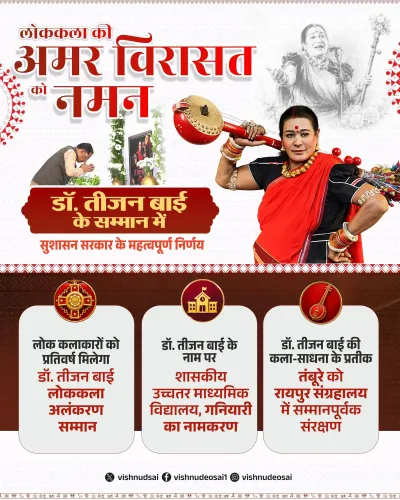
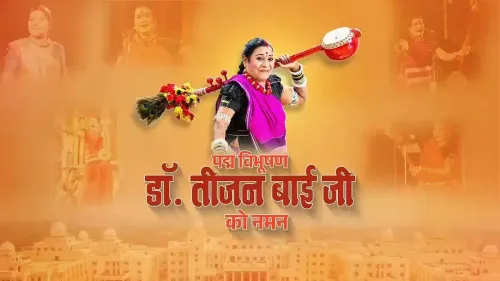
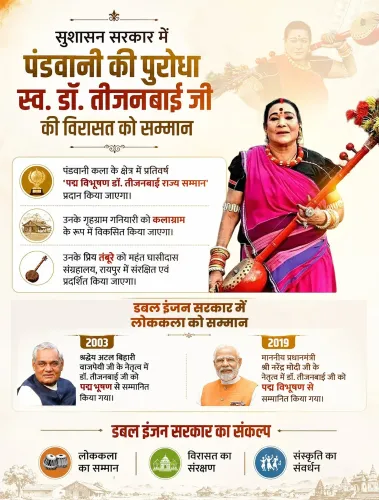
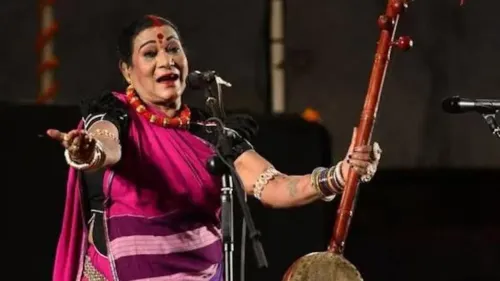
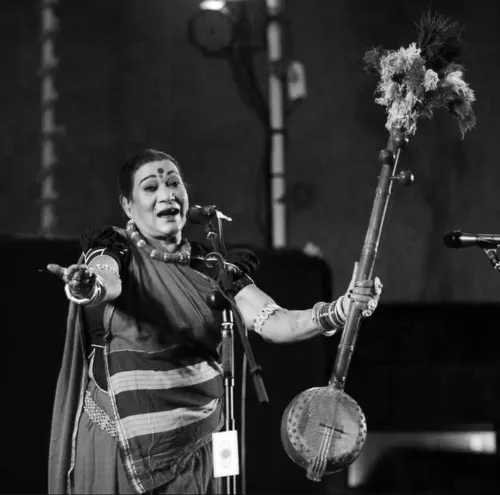
Teejan Bai was a Padma Vibhushan awardee ( 2019 ) and the foremost exponent of Pandavani , a Mahabharata-based folk singing tradition from Chhattisgarh .
Shah described her passing as an 'irreplaceable loss for the world of art' and credited her with giving Pandavani a distinct national identity.
He prayed for peace for her soul and strength for her grieving family and admirers, closing with the invocation Om Shanti Shanti Shanti .
Her death raises questions about the institutional future of Pandavani and the need for structured training and archival efforts.
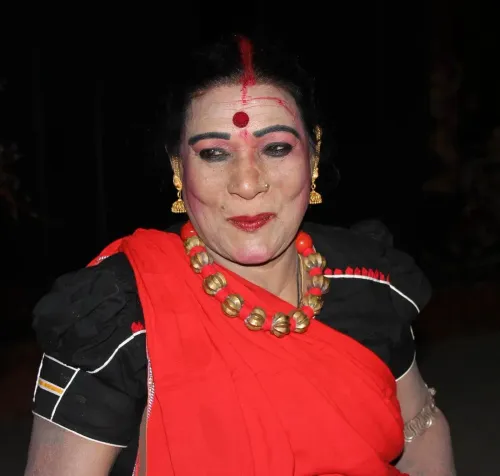
Union Home Minister Amit Shah on Sunday, 5 July 2026, expressed condolences on the passing of Padma Vibhushan awardee and celebrated Pandavani folk singer Teejan Bai, calling her death an irreplaceable loss for the world of arts.
Context
In his post on X, Shah wrote — translated from Hindi — that 'padvani gaayika Teejan Bai ji ka nidhan kala jagat ke liye apooraneey kshati hai' ('the passing of Pandavani singer Teejan Bai is an irreplaceable loss for the world of art'). He noted that through her unmatched talent and dedication, she gave the Pandavani folk tradition a distinct identity, and that her contribution to the promotion of this art form from Chhattisgarh would always be remembered. He concluded with the Sanskrit invocation Om Shanti Shanti Shanti, praying that the departed soul find peace and that her grieving family and admirers be given the strength to bear the loss.
Policy Backdrop
Teejan Bai was conferred the Padma Vibhushan — India's second-highest civilian honour — in 2019, recognising her lifelong contribution to Pandavani, a traditional narrative singing form rooted in the Mahabharata and native to Chhattisgarh. She was widely regarded as the foremost living exponent of the genre, having performed across India and internationally over several decades. Her recognition brought national attention to a regional art form that had largely remained confined to Chhattisgarh's rural heartland.
Pandavani has been positioned within broader national efforts to document and promote intangible cultural heritage, with institutions such as the Sangeet Natak Akademi playing a role in archiving and celebrating such traditions. Ministerial tributes to deceased Padma awardees in the performing arts have become a recurring feature of public life, reflecting the state's investment in recognising non-metropolitan cultural figures.
Stakeholders and Impact
Teejan Bai's death is felt most immediately by the community of folk artists and cultural practitioners in Chhattisgarh, for whom she served as both an inspiration and an ambassador. Her decades-long career demonstrated that regional folk forms could achieve national and international visibility without losing their traditional character. Admirers and students of Pandavani now face the challenge of sustaining a tradition that was largely carried forward by her singular presence and performance style.
Senior political figures paying tribute — particularly from the ruling establishment — also signal the government's continued rhetorical commitment to India's intangible cultural heritage, even as practitioners and scholars call for more structural support such as dedicated archives, training institutions, and performance grants.
What's Next
Attention will now turn to whether the Chhattisgarh state government or central cultural bodies announce concrete measures in her memory — such as a dedicated Pandavani festival, an archival project, or a fellowship in her name. Upcoming sessions of the Sangeet Natak Akademi and national cultural events may serve as platforms for formal institutional remembrance. The continuity of Pandavani as a living tradition will depend on structured efforts to train the next generation of performers in the wake of her passing.
Point of View
Reinforcing the party's cultural-nationalist outreach to non-metropolitan India. The post's emphasis on Chhattisgarh — a state where the BJP has governed — adds a layer of political geography to what is ostensibly a personal tribute. More broadly, the condolence underscores the tension between rhetorical recognition of intangible heritage and the structural gaps in funding and institutional support for folk traditions. Whether this tribute translates into policy action — archives, fellowships, or festivals — will be the real test of the government's commitment to Pandavani's survival.
NationPress
4 Oct 2026
Frequently Asked Questions
What did Amit Shah say about Teejan Bai's death?
Amit Shah called her passing an 'irreplaceable loss for the world of art', credited her with giving Pandavani a distinct identity through her unmatched talent and dedication, and prayed for peace for her soul and strength for her family and admirers.
What award did Teejan Bai receive?
Teejan Bai received the Padma Vibhushan in 2019, India's second-highest civilian award, in recognition of her lifelong contribution to Pandavani folk art.
What happens to Pandavani after Teejan Bai's death?
The continuity of Pandavani now depends on structured institutional efforts — such as training programmes, government fellowships, and archival projects — to nurture the next generation of performers. Announcements from the Chhattisgarh government or central cultural bodies are expected in the coming days.