Why Did the SC Postpone Hearing on ED's Plea About Mamata Banerjee's Alleged Interference?
Synopsis
The Supreme Court has deferred the hearing regarding the ED's allegations against Mamata Banerjee, citing health issues of a key advocate. This case could significantly impact West Bengal's political landscape ahead of the upcoming elections.
Key Takeaways
The Supreme Court adjourned the hearing to February 18.
ED's allegations against Mamata Banerjee include interference during searches.
Chief Minister Banerjee denies all accusations .
Timing of the searches raises questions regarding political motives.
Legal proceedings could impact West Bengal's politics ahead of the elections.
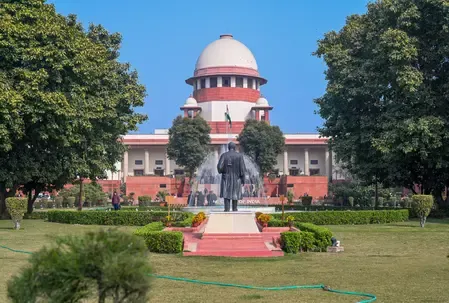
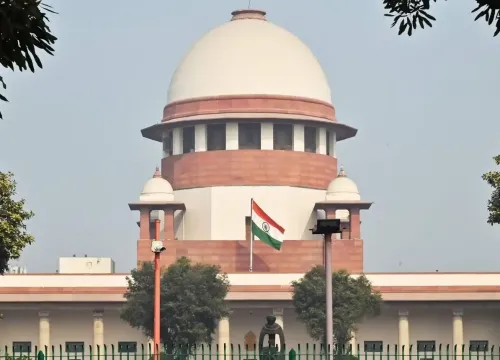
New Delhi, Feb 10 (NationPress) The Supreme Court has postponed the hearing on the Enforcement Directorate's (ED) petition, which accuses the West Bengal government and Chief Minister Mamata Banerjee of obstructing the Central agency's recent search operations at the Indian Political Action Committee (I-PAC) office and the residence of its co-founder, Pratik Jain, in Kolkata. The hearing is now set for February 18.
The bench, consisting of Justices Prashant Kumar Mishra and Sandeep Mehta, agreed to the delay following a request from senior advocate Kapil Sibal, who cited health issues.
During the brief session, Solicitor General Tushar Mehta, representing the ED, notified the court of Sibal's absence. He remarked, “I cannot oppose on this ground. If it can be kept on February 18,” he stated.
The bench, led by Justice Mishra, subsequently rescheduled the hearing for February 18.
The ED has sought the Supreme Court's direction to register FIRs against Chief Minister Mamata Banerjee, the state’s Director General of Police, and the Police Commissioner of Kolkata, alleging interference in lawful operations during the agency's search.
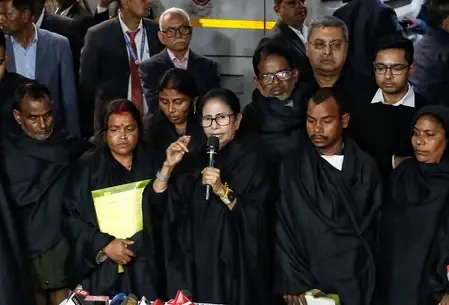
In her response, Chief Minister Banerjee has refuted all claims of obstruction, insisting her presence was solely to secure confidential data belonging to her party, the Trinamool Congress (AITC).
Her affidavit states that she visited Jain’s residence and the I-PAC office on January 8, after learning that sensitive political information was being accessed during the searches.
She argued that the data was “vital to the AITC’s strategy for the upcoming Legislative Assembly elections.”
According to her affidavit, when she arrived, she “politely requested” the ED officials to allow her to retrieve her party’s data and the devices holding it. The affidavit claims that the ED officials did not object and allowed her to take some devices and files.
“After she had done so, the Answering Respondent (CM Banerjee) left the premises to avoid inconveniencing the ED officials,” the counter affidavit noted, emphasizing that the ED’s own records showed the searches continued thereafter in an orderly manner.
Chief Minister Banerjee also contended that neither the Trinamool nor its officials are implicated in the alleged coal scam, thereby questioning the ED's right to her party's proprietary data.
Her counter affidavit further accused the ED of acting with malicious intent, alleging that the searches were timed to coincide with the upcoming 2026 West Bengal Assembly elections and followed a lengthy period of inactivity.
It questioned the timing of the operations, suggesting they coincided with I-PAC possessing “critical documents,” including a proposed candidate list for the upcoming elections.
Additionally, the affidavit alleged that the ED violated statutory safeguards under the Prevention of Money Laundering Act (PMLA), claiming the agency failed to produce any audio or video recordings of the searches, which raises a “strong presumption” that they were clandestine and aimed at accessing confidential political data.
Previously, on January 15, the Supreme Court had stayed the FIRs filed by the West Bengal Police against ED officials concerning the searches and directed the preservation of CCTV footage and other digital records from the searched premises.
Point of View
It is imperative to acknowledge the delicate balance between law enforcement and political leadership in a democratic setting. The ongoing legal proceedings involving the ED and Chief Minister Mamata Banerjee highlight the complexities of governance and the rule of law. We maintain a neutral stance, ensuring that all sides are represented fairly while monitoring developments closely.
NationPress
1 Oct 2026
Frequently Asked Questions
What is the main allegation against CM Mamata Banerjee?
The ED alleges that Mamata Banerjee interfered with their lawful duties during search operations.
When is the next hearing scheduled?
The next hearing is scheduled for February 18.
What was CM Banerjee's reason for being present during the searches?
She claims her presence was to retrieve sensitive political data belonging to her party.
What does the counter affidavit state?
It denies the allegations and asserts that the searches were conducted without objection and in an orderly manner.
What are the implications of this case?
The case could significantly influence the political landscape in West Bengal ahead of the upcoming elections.