SC quashes Ghaziabad Police notice to X, shields journalist Abhishek Upadhyay's data

Synopsis
The Supreme Court has struck down a sweeping police notice that sought two-and-a-half months of a journalist's IP addresses, IMEI numbers, and location data from platform X — ruling that bulk pre-FIR digital surveillance fails the proportionality test. The ruling sets a significant precedent on the limits of police power to mine journalists' digital footprints under the new criminal procedure code.
Key Takeaways
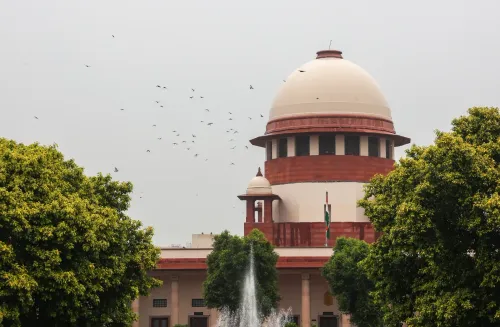
The Supreme Court on 14 October 2026 set aside a Ghaziabad Police notice to X seeking journalist Abhishek Upadhyay's personal and digital data.
The notice, issued under Section 94 of the BNSS on 22 August 2026 , had sought IP addresses, IMEI numbers, location data and logs spanning 1 June to 22 August 2026 .
The apex court held that pre-occurrence personal data cannot be sought, and post-FIR data requires proof that less intrusive alternatives are inadequate.
Justice Bagchi called the data request 'overkill'; the bench invoked the principle of proportionality in criminal investigations.
Upadhyay's interim protection from arrest is made absolute; his seized vehicle must be returned within two days .
The court left Upadhyay free to challenge the underlying FIR before the Allahabad High Court .
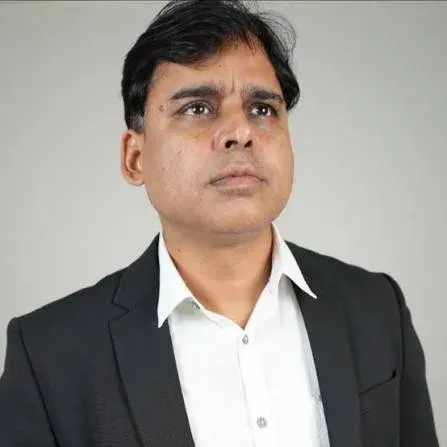
The Supreme Court of India on 14 October 2026 set aside a notice issued by the Ghaziabad Police to social media platform X that had sought extensive personal and digital information tied to the account of journalist Abhishek Upadhyay, who had alleged that the criminal case against him was a retaliatory measure for his investigative reporting on alleged irregularities in the Ram Mandir Trust and corruption within the Uttar Pradesh administration.
What the Court Ordered
A bench comprising Chief Justice of India (CJI) Surya Kant and Justice Joymalya Bagchi struck down the notice that Ghaziabad Police had served on X on 22 August 2026 under Section 94 of the Bharatiya Nagarik Suraksha Sanhita (BNSS). The court directed that any personal information already obtained pursuant to that notice shall not be used against Upadhyay in the proceedings.
The apex court also made absolute its earlier interim orders protecting Upadhyay from arrest and other coercive action, subject to his continued cooperation with the investigation. Authorities were further directed to release his seized vehicle immediately — and no later than two days from the date of the order.
What Data the Police Had Sought
Through its notice to X, the Uttar Pradesh Police had requisitioned a sweeping range of account-linked information, including login and logout Internet Protocol (IP) addresses, an alternative email address, mobile number, location coordinates, device particulars, International Mobile Equipment Identity (IMEI) numbers, registration details, and IP logs — all for the period between 1 June and 22 August 2026.
The Commissioner of Police, Ghaziabad, filed an affidavit during proceedings stating the data was sought to trace Upadhyay following registration of a First Information Report (FIR) and to facilitate the investigation into an alleged road-rage incident.
Why the Court Struck It Down
The bench held that confidential or personal information could not be obtained for a period preceding the relevant occurrence, and that even post-FIR data could not be sought without first examining whether alternative, less intrusive investigative measures were inadequate. The CJI-led bench noted that authorities had failed to explain why less invasive methods would be insufficient to advance the investigation.
Justice Bagchi observed during the hearing that seeking personal and digital information spanning such a broad period appeared to be an 'overkill'. The court stressed the principle of proportionality in criminal investigations, holding that less intrusive alternatives must be considered before resorting to bulk collection of personal and digital data.
Background: The FIR and the Journalist's Allegations
The case stems from an FIR registered by the Uttar Pradesh Police against Upadhyay over an alleged road-rage incident in Ghaziabad. The journalist approached the Supreme Court seeking protection from coercive action, contending that the criminal proceedings were initiated in retaliation for his reporting. His petition also raised concerns over the alleged non-preservation of CCTV footage relating to the incident.
On 25 August 2026, the Supreme Court had first granted Upadhyay interim protection from coercive action, issued notice to the Uttar Pradesh government, and directed the police to furnish him a copy of the FIR. That interim protection was subsequently extended in further hearings.
What Comes Next
The Supreme Court clarified that it expressed no opinion on the merits of the underlying FIR, leaving Upadhyay at liberty to challenge the criminal proceedings before the Allahabad High Court in accordance with law. The ruling is likely to be closely watched by press freedom advocates and digital rights groups, given its implications for how police may seek journalists' digital data in the course of criminal investigations.
Point of View
Meaning Upadhyay still faces criminal proceedings. The structural risk for press freedom is that even with this guardrail, a determined police force can still register an FIR, initiate an investigation, and create a chilling effect — the court has narrowed one investigative tool but left the underlying case intact.
NationPress
14 Oct 2026
Frequently Asked Questions
What did the Supreme Court order in the Abhishek Upadhyay case?
The Supreme Court set aside a Ghaziabad Police notice to platform X that sought extensive digital data linked to journalist Abhishek Upadhyay's account, and directed that any data already obtained cannot be used against him. The court also made his interim protection from arrest absolute and ordered the release of his seized vehicle within two days.
Why did the Ghaziabad Police seek data from X?
According to an affidavit filed by the Commissioner of Police, Ghaziabad, the data was sought to trace Upadhyay and facilitate investigation into an FIR registered over an alleged road-rage incident. The notice sought IP addresses, IMEI numbers, location coordinates, and logs covering 1 June to 22 August 2026.
What is Abhishek Upadhyay's allegation about the FIR?
Upadhyay has alleged that the criminal case against him is a retaliatory measure for his investigative reporting on alleged irregularities in the Ram Mandir Trust and corruption in the Uttar Pradesh administration. He also raised concerns about the alleged non-preservation of CCTV footage relating to the road-rage incident.
What is the principle of proportionality cited by the Supreme Court?
The court held that before collecting extensive personal or digital information, investigators must consider whether less intrusive alternatives would be insufficient to advance the investigation. It ruled that pre-occurrence data cannot be sought at all, and post-FIR data requires a specific justification that other methods are inadequate.
What happens next in the case against Upadhyay?
The Supreme Court clarified it expressed no opinion on the merits of the underlying FIR, leaving Upadhyay free to challenge the criminal proceedings before the Allahabad High Court. His arrest protection remains in force subject to his cooperation with the investigation.