Supreme Court stays FIR proceedings against Dehradun gym owner in Muslim shopkeeper row
Synopsis
The Supreme Court has stayed both the FIR proceedings and a High Court-imposed social media gag against Dehradun gym owner Deepak Kumar, who says he intervened to defend a Muslim shopkeeper targeted by Bajrang Dal members on Republic Day. The case raises pointed questions about who the law protects when someone steps in against communal intimidation — and ends up facing criminal charges instead.
Key Takeaways
The Supreme Court on 31 August stayed FIR proceedings against Dehradun gym owner Deepak Kumar (alias Akki) related to a Muslim shopkeeper incident.
The court also stayed the Uttarakhand High Court 's order barring Deepak from posting on social media about the 26 January and 31 January 2026 incidents.
A bench of Justices Vikram Nath and Sandeep Mehta issued notice to respondent authorities, returnable in four weeks .
Deepak had allegedly intervened when Bajrang Dal members reportedly objected to a Muslim shopkeeper's use of 'Baba' in his shop name; the confrontation was filmed and went viral.
A rioting charge under Section 191 BNS was initially invoked against Deepak but was subsequently dropped.
The Uttarakhand government had opposed the plea, citing suppression of facts about police protection provided from 3 February to 13 March 2026 .
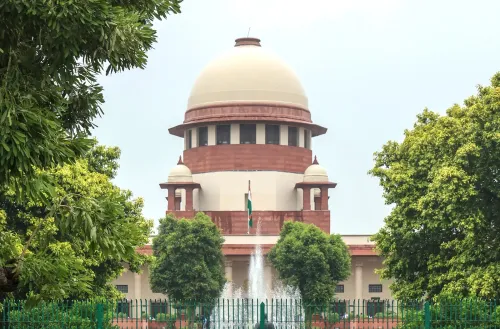
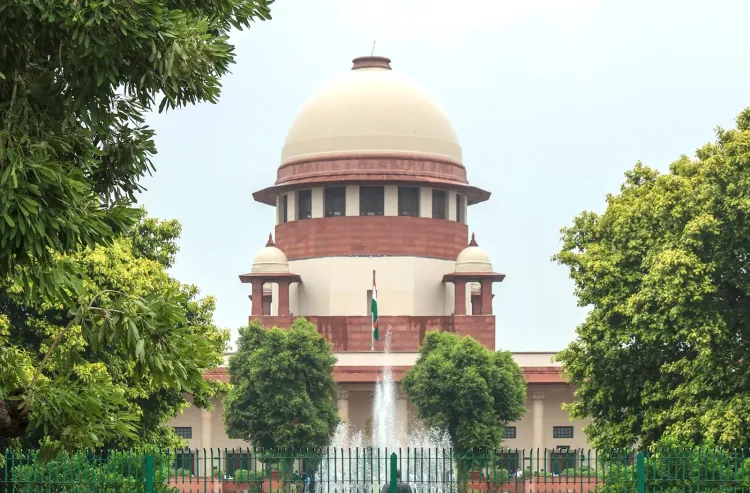
The Supreme Court on Monday, 31 August stayed all proceedings arising from an FIR registered against Dehradun gym owner Deepak Kumar, also known as Akki, in connection with an incident involving a Muslim shopkeeper in Uttarakhand. The court simultaneously stayed an Uttarakhand High Court order that had barred him from posting videos or messages about the incident on social media.
What the Supreme Court Ordered
A bench of Justices Vikram Nath and Sandeep Mehta passed the interim order while hearing a special leave petition (SLP) filed by Deepak Kumar against the FIR registered by Uttarakhand Police. The apex court issued notice to the respondent authorities, returnable in four weeks, and directed that proceedings pursuant to the impugned FIR shall remain stayed in the meantime.
Critically, the Supreme Court also stayed the Uttarakhand High Court's restrictions on social media posts concerning the incidents of 26 January and 31 January 2026 — effectively lifting what the petitioner's counsel described as a blanket gag order.
Background: The Republic Day Incident
The dispute traces back to Republic Day, 26 January 2026, when Deepak Kumar allegedly intervened after some Bajrang Dal members reportedly objected to a Muslim shopkeeper using the word 'Baba' in the name of his shop. The confrontation was recorded on video and went viral on social media. According to his counsel, when Deepak was asked his name during the altercation, he replied: 'Mohammed Deepak' — a response that drew significant public attention online.
Deepak had himself filed complaints regarding the incident, but no action was reportedly taken on those complaints. An FIR was subsequently registered against him. A rioting charge under Section 191 of the Bharatiya Nyaya Sanhita (BNS) was initially invoked against him but was later dropped, according to submissions made before the court.
Arguments Before the Court
Senior advocate Abhishek Manu Singhvi, appearing for Deepak Kumar, argued that his client was the aggrieved party who had sought police protection, yet found himself facing criminal proceedings instead. Singhvi contended that the High Court, rather than granting relief, had imposed a 'blanket gag order' restraining Deepak from posting material about the incident on social media — a restriction the Supreme Court has now stayed.
The Uttarakhand government opposed the plea, contending that the petitioners had suppressed the fact that they had been provided police protection from 3 February to 13 March 2026 and that a police picket had been deployed near Deepak's gym. The state also argued that the petitioners were repeatedly asked to cooperate with the investigation but were instead circulating videos and messages that could affect law and order and communal harmony.
What the High Court Had Said
In its 20 March 2026 order, the Uttarakhand High Court had declined to quash the FIR, observing that all offences were punishable with less than seven years imprisonment and directing the investigating officer to follow guidelines laid down in the Arnesh Kumar v. State of Bihar judgment. The High Court noted that notices under Section 35(3) of the BNSS had already been issued to 20 persons in connection with the January incidents. It had also recorded that two subsequent FIRs — FIR No. 0025 of 2026 dated 8 February and FIR No. 0028 of 2026 dated 11 February — had been registered on Deepak's own complaint.
The High Court had disposed of the writ petition with directions to cooperate with the investigation and declined a plea for a departmental inquiry against police officials, noting it could hamper the ongoing probe.
What Happens Next
With the Supreme Court's interim stay in place, Deepak Kumar is currently shielded from arrest or coercive action under the impugned FIR, and is free to post on social media about the incidents pending the next hearing. The matter will come up again when the notice issued to respondent authorities is returnable — within four weeks. How the state responds to the apex court's queries on the FIR's merits and the proportionality of the gag order will shape the next stage of proceedings.
Point of View
While his own complaints drew no action, is a pattern the apex court has flagged in earlier cases involving communal incidents. The blanket social media restraint imposed by the High Court sits uneasily with free speech protections, particularly where the content in question relates to matters of public interest. Whether the FIR survives scrutiny on merits will depend on what the investigation has actually produced — and whether the state can justify its sequencing of action.
NationPress
16 Oct 2026
Frequently Asked Questions
Why did the Supreme Court stay the FIR proceedings against Deepak Kumar?
The Supreme Court stayed the FIR proceedings against Dehradun gym owner Deepak Kumar while hearing his special leave petition challenging the FIR registered by Uttarakhand Police. The bench of Justices Vikram Nath and Sandeep Mehta issued notice to respondent authorities and directed the stay to remain in force until the next hearing, four weeks away.
What was the incident involving the Muslim shopkeeper in Uttarakhand?
On Republic Day, 26 January 2026, Deepak Kumar allegedly intervened after Bajrang Dal members reportedly objected to a Muslim shopkeeper using the word 'Baba' in his shop name. The confrontation was recorded and went viral on social media. Deepak had filed complaints about the incident, but an FIR was subsequently registered against him instead.
What was the Uttarakhand High Court's order that the Supreme Court stayed?
The Uttarakhand High Court, in its 20 March 2026 order, had declined to quash the FIR and also restrained Deepak Kumar from posting videos or messages on social media concerning the January 26 and January 31 incidents. The Supreme Court has now stayed both the FIR proceedings and this social media restriction.
What was the rioting charge invoked against Deepak Kumar?
A rioting charge under Section 191 of the Bharatiya Nyaya Sanhita (BNS) was initially invoked against Deepak Kumar, but was subsequently dropped after his counsel argued that the essential legal ingredients for the offence were not made out.
What is the Uttarakhand government's position in this case?
The Uttarakhand government opposed Deepak Kumar's plea, arguing that he had suppressed the fact that police protection was provided to him from 3 February to 13 March 2026 and that a police picket was deployed near his gym. The state also contended that he was repeatedly asked to cooperate with the investigation but was instead circulating social media content that could affect communal harmony.