SC stays Allahabad HC order against UP ACS Home Sanjay Prasad
Synopsis
The Supreme Court has put on hold an Allahabad High Court order that made adverse remarks against UP's top home bureaucrat Sanjay Prasad and sought to flag his conduct to the DoPT for career assessment — a rare judicial move against a serving IAS officer that the apex court found prima facie challengeable within days of its delivery.
Key Takeaways
The Supreme Court on 11 June stayed an Allahabad High Court order making adverse observations against Sanjay Prasad , Additional Chief Secretary (Home), Uttar Pradesh .
The high court had directed its Registrar to send a certified copy of the judgment to DoPT for consideration of Prasad's suitability for future assignments.
A bench of Justice Prashant Kumar Mishra and Justice Atul S.
Chandurkar issued notice to respondents, returnable in ten weeks .
The original Allahabad HC order arose from a habeas corpus petition over a minor girl who went missing in June 2025 and was subsequently recovered.
The stay halts any DoPT action on the high court's directions until the Supreme Court disposes of the SLP.
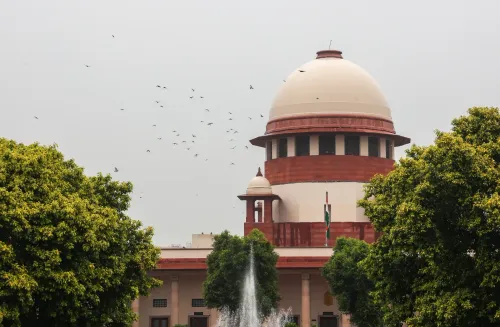
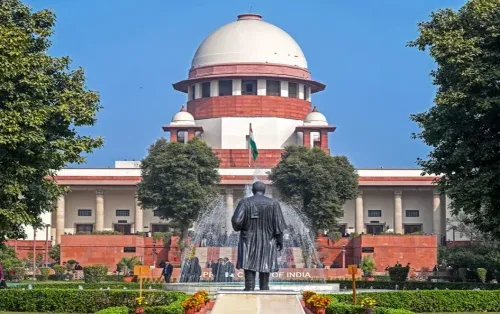
The Supreme Court on Thursday, 11 June stayed the operation of an Allahabad High Court judgment that had made adverse observations against Sanjay Prasad, Additional Chief Secretary (Home), Government of Uttar Pradesh, and directed that a copy of the ruling be forwarded to the Department of Personnel and Training (DoPT) for consideration in his future postings. The apex court's intervention comes just eight days after the high court delivered the contentious order.
The Supreme Court Order
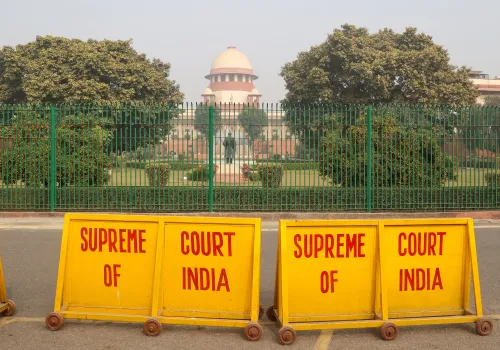
A bench of Justice Prashant Kumar Mishra and Justice Atul S. Chandurkar passed the interim stay while hearing a special leave petition (SLP) filed by Sanjay Prasad challenging the Allahabad High Court's June 3 judgment. Granting permission to file the SLP, the bench issued notice to the respondents and directed that the matter be listed after ten weeks.
'Issue notice, returnable in ten weeks,' the Justice Mishra-led bench ordered. 'In the meanwhile, directions issued by the High Court under the impugned order, shall remain stayed.'
What the Allahabad High Court Had Ruled
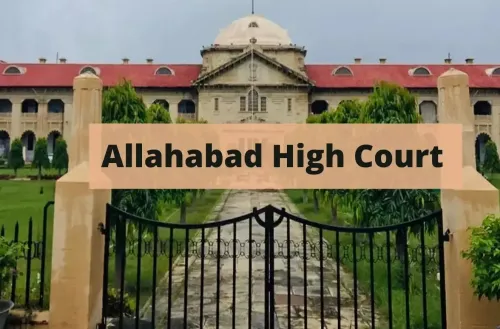
The original order was delivered by a single-judge bench of Justice Vinod Diwakar while disposing of a habeas corpus petition filed by the mother of a minor girl who had allegedly gone missing in June 2025. While recording that the girl had ultimately been recovered and restored to her parents, the court made extensive observations about the functioning of the Uttar Pradesh Home Department and the conduct of senior officials.
Referring specifically to Sanjay Prasad, IAS (DR 1995), the order stated that his 'conduct in the present matter' could not be overlooked. Justice Diwakar consequently directed the Registrar (Compliance) to transmit a certified copy of the judgment — along with the earlier Subhash Chandra v. State of U.P. ruling — to the Secretary, DoPT, the cadre controlling authority for IAS officers, 'for their record, reference, and such consideration as may be deemed appropriate in the context of the assessment of the said officer's suitability for future assignments by the Appointment Committee of the Cabinet (ACC)'.
Why This Case Matters
The high court's direction to DoPT was significant because it sought to directly influence the career trajectory of a serving IAS officer through judicial intervention — an exercise courts undertake sparingly. Such directions, when not stayed, can affect empanelment, promotion, and central deputation prospects for senior bureaucrats.
Notably, the Supreme Court's decision to stay the directions at the admission stage itself signals that the apex court found prima facie merit in Prasad's challenge. The case also intersects with questions of judicial oversight over executive personnel decisions, a boundary that remains contested in Indian administrative law.
What Happens Next
With the stay in place, the DoPT is not required to act on the high court's transmission directions until the Supreme Court disposes of the SLP. The matter is expected to be taken up again after ten weeks, when the respondents' replies are due. The outcome could set a precedent on the extent to which high courts can direct cadre-controlling authorities in matters involving individual IAS officers.
Point of View
Into personnel administration. Whether such judicial reach is constitutionally permissible is the real question the SLP will force the Supreme Court to answer. The outcome will matter far beyond Sanjay Prasad — it will define how much latitude high courts have to shape bureaucratic careers through adverse remarks in unrelated proceedings.
NationPress
16 Sept 2026
Frequently Asked Questions
Why did the Supreme Court stay the Allahabad High Court order against Sanjay Prasad?
The Supreme Court stayed the order after Sanjay Prasad filed a special leave petition challenging the Allahabad High Court's June 3 judgment, which had made adverse observations against him and directed that the findings be sent to DoPT for consideration in his future assignments. The bench found sufficient grounds to grant an interim stay at the admission stage itself.
What had the Allahabad High Court directed against Sanjay Prasad?
The Allahabad High Court directed its Registrar (Compliance) to transmit a certified copy of the judgment to the Secretary, DoPT — the cadre controlling authority for IAS officers — for reference and consideration regarding Prasad's suitability for future postings by the Appointment Committee of the Cabinet (ACC) .
What was the original case about?
The case originated from a habeas corpus petition filed by the mother of a minor girl who allegedly went missing in June 2025 . The girl was eventually recovered and restored to her family, but the Allahabad High Court used the occasion to make extensive observations about the functioning of the UP Home Department and senior officials, including Sanjay Prasad .
What happens to the DoPT referral now?
With the Supreme Court's stay in place, the DoPT is not required to act on the high court's transmission directions. The matter will next be heard after ten weeks , when respondents' replies are due before the apex court.
Who is Sanjay Prasad?
Sanjay Prasad is an IAS officer of the 1995 Direct Recruit batch currently serving as Additional Chief Secretary (Home) in the Government of Uttar Pradesh . He filed the SLP in the Supreme Court challenging the adverse directions passed against him by the Allahabad High Court.