SC stays Allahabad HC's ₹10 lakh cost order on UP govt in illegal arrest case
Synopsis
The Supreme Court has put on hold Allahabad High Court's ₹10 lakh cost penalty on the UP government — but left untouched the finding that a man from Unnao was illegally detained for over three months because police never told him why he was being arrested. The case spotlights a growing judicial pushback against custodial rights violations by state authorities.
Key Takeaways
The Supreme Court on 22 June stayed the ₹10 lakh cost imposition on the Uttar Pradesh government ordered by the Allahabad High Court .
The stay is limited to the cost order; the HC's declaration that Manoj Kumar's arrest on 27 January 2026 was illegal remains in force.
The Allahabad HC found the arrest memo cited only a case crime number, with no disclosure of grounds — violating a mandatory constitutional safeguard.
Kumar was held in custody for more than three months , which the HC termed a 'gross violation' of constitutional protections.
The Supreme Court has issued notice and listed the matter for hearing after eight weeks .
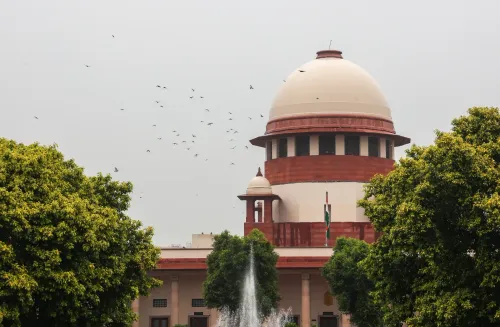
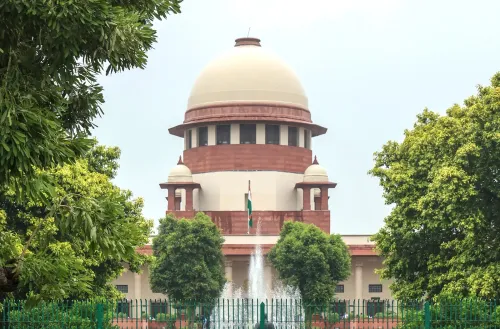
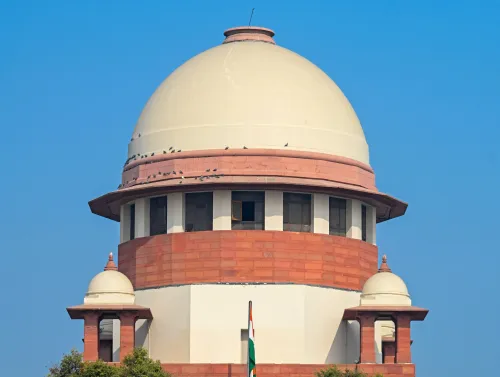
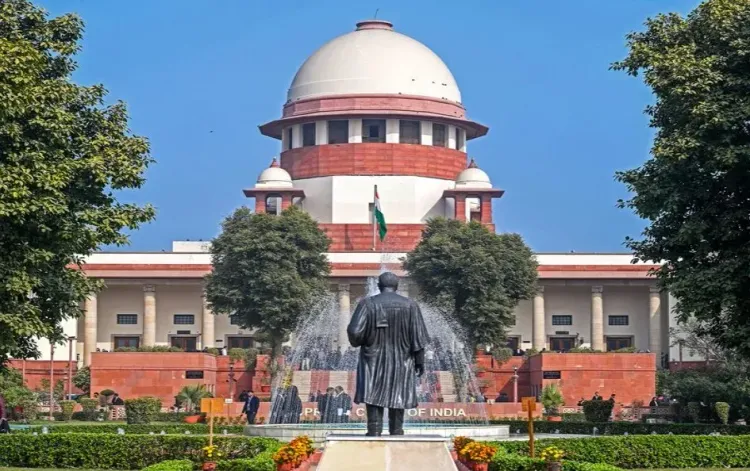
The Supreme Court on Monday, 22 June stayed an Allahabad High Court order that had imposed costs of ₹10 lakh on the Uttar Pradesh government and its officials in a habeas corpus matter involving the alleged illegal arrest and prolonged detention of a man in Unnao district. The stay is limited to the cost imposition and does not disturb the High Court's finding that the arrest itself was unlawful.
What the Supreme Court Ordered
A Bench of Justice Prashant Kumar Mishra and Justice Sanjeev Sachdeva passed the interim order while hearing a special leave petition (SLP) filed by the Uttar Pradesh government and other state authorities. The Bench issued notice on the SLP and directed the matter to be listed after eight weeks.
The court's order stated: 'Issue notice, returnable in eight weeks. In the meanwhile, the impugned order insofar as it relates to the imposition of cost of Rs. 10 lakhs on the petitioners as mentioned in paragraph nos. 13 and 16 of the impugned order, shall remain stayed.'
Background: The Allahabad High Court Ruling
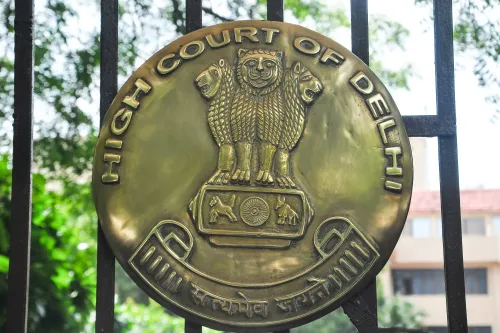
The SLP challenges a 29 April judgment of the Allahabad High Court's Lucknow Bench, delivered by a Division Bench of Justice Abdul Moin and Justice Pramod Kumar Srivastava, in a habeas corpus petition filed by Manoj Kumar.
The High Court had declared Kumar's arrest on 27 January 2026 illegal, finding that the arrest memo merely cited a case crime number without disclosing the actual grounds of arrest — a failure to comply with a mandatory constitutional requirement. The remand order passed the following day was also set aside, as it flowed directly from what the court characterised as an unlawful arrest.
The Constitutional Principle at Stake
Relying on recent Supreme Court decisions — including Mihir Rajesh Shah v. State of Maharashtra and Dr Rajinder Rajan v. Union of India — the High Court held that informing an arrested person of the grounds of arrest is 'not a mere formality but a mandatory, binding constitutional safeguard.' The ruling underscored that procedural shortcuts in arrests carry direct constitutional consequences.
The High Court noted that Kumar had remained in custody for more than three months due to what it described as a 'gross violation' of constitutional safeguards, and found that authorities had 'flagrantly violated' the law governing arrests.
The Cost Order and Its Mechanics
While allowing the habeas corpus petition, the Allahabad High Court directed Kumar's immediate release — subject to his not being required in any other case — and imposed exemplary costs of ₹10 lakh on the state authorities. The amount was to be paid initially by the state government, with the liberty to recover it from the officials found personally responsible, in accordance with law.
It is specifically this cost imposition — not the finding of illegal arrest or the release order — that the UP government has challenged before the Supreme Court and which now stands stayed pending further hearing.
What Happens Next
The Supreme Court will take up the matter after eight weeks, when the state's challenge to the cost order will be heard on merits. The underlying finding that Kumar's arrest was unconstitutional remains intact for now. The case is being closely watched as part of a broader pattern of High Courts imposing exemplary costs on state authorities for custodial rights violations — a trend that the apex court will now have occasion to examine.
Point of View
Not its conduct. The Allahabad High Court's core finding that the arrest was unconstitutional stands, and that matters more than the money. What this case really tests is whether exemplary cost orders are an effective deterrent against custodial rights violations by state police, or whether they are simply litigated away in higher courts. If the apex court ultimately sets aside the costs without reinforcing the underlying constitutional obligation, it risks sending the wrong signal to enforcement agencies across the country.
NationPress
21 Sept 2026
Frequently Asked Questions
What did the Supreme Court order in the UP illegal arrest case?
The Supreme Court stayed the Allahabad High Court's order imposing ₹10 lakh costs on the Uttar Pradesh government and its officials in a habeas corpus matter involving the alleged illegal arrest of Manoj Kumar from Unnao district. The stay is limited to the cost imposition; the HC's finding that the arrest was unconstitutional was not disturbed.
Why did the Allahabad High Court declare Manoj Kumar's arrest illegal?
The Allahabad High Court found that the arrest memo issued to Manoj Kumar on 27 January 2026 merely cited a case crime number without disclosing the actual grounds of arrest, violating the constitutional requirement that an arrested person must be informed of the reasons for their detention. The court relied on recent Supreme Court precedents holding this obligation to be a mandatory, binding safeguard.
Why did the UP government challenge the High Court order?
The Uttar Pradesh government filed a special leave petition (SLP) before the Supreme Court challenging the Allahabad High Court's 29 April judgment, specifically contesting the imposition of ₹10 lakh in exemplary costs on state authorities. The SLP does not appear to challenge the release of Manoj Kumar or the finding of illegal arrest.
What happens to the ₹10 lakh cost order now?
The cost order stands stayed by the Supreme Court until further hearing. The matter has been listed for consideration after eight weeks, when the court will hear the UP government's challenge on merits.
What is the broader significance of this case?
The case is part of a growing trend of High Courts imposing exemplary costs on state authorities for custodial rights violations. The Supreme Court's eventual ruling on whether such cost orders can stand will have implications for how police and state governments approach arrest procedures across India.