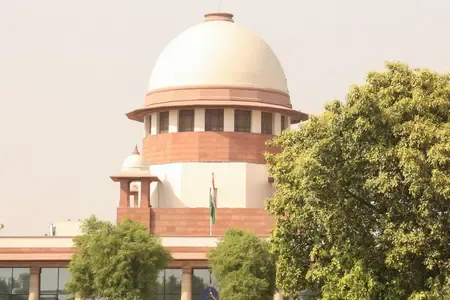
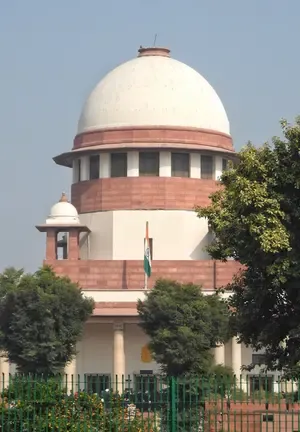
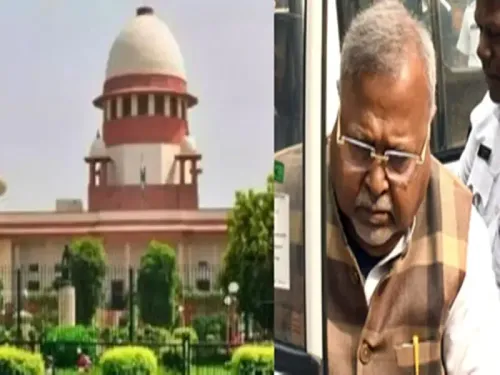
Supreme Court grants bail to UP stamp official, slams delay in prosecution sanction

Synopsis
The Supreme Court has delivered a sharp rebuke to the Uttar Pradesh government, granting bail to a stamp official accused of taking a ₹1 lakh bribe — not because the case is weak, but because the state's own sanctioning authority failed to act after a charge sheet was filed in February 2026. The ruling draws a clear line: institutional inaction cannot become a substitute for lawful detention.
Key Takeaways
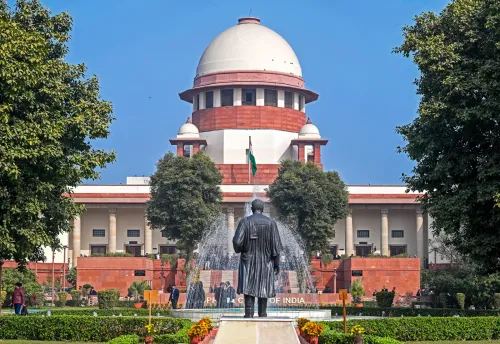
The Supreme Court on 23 July granted bail to Ravinder Mehta , a UP stamp official accused under Section 7 of the Prevention of Corruption Act .
The court held that delay in granting prosecution sanction cannot be used to curtail a citizen's liberty.
The charge sheet was filed on 7 February 2026 , but the competent authority had still not granted sanction, blocking cognisance by the trial court.
The UP government's counsel could not provide a 'clear answer' on whether sanction had been granted, drawing a sharp remark from the Bench.
The Allahabad High Court had earlier rejected bail, citing two independent trap witnesses and the alleged demand of ₹1 lakh as illegal gratification.
Bail is subject to conditions including non-interference with witnesses and diligent attendance at trial; breach may lead to cancellation.
The Supreme Court of India on 23 July granted bail to Ravinder Mehta, a Uttar Pradesh government official accused in a bribery case, holding that inordinate delay in granting prosecution sanction cannot be weaponised to keep a citizen behind bars. The ruling sets aside an earlier order by the Allahabad High Court that had refused bail to Mehta, who was posted as Assistant Inspector General of Registration-cum-Assistant Commissioner of Stamp in Shamli district.
Background of the Case
An FIR was registered against Mehta under Section 7 of the Prevention of Corruption Act at Adarsh Mandi police station in Shamli. According to the prosecution, the vigilance department laid a trap following a complaint that alleged a demand of ₹1 lakh as illegal gratification. During the trap, the accused's clerk was allegedly caught accepting the bribe amount. The charge sheet was filed on 7 February 2026 after completion of investigation.
Why the Supreme Court Intervened
A Bench of Justice Dipankar Datta and Justice Sheel Nagu noted that despite the charge sheet being filed, the competent authority had still not granted sanction for prosecution — preventing the trial court from taking cognisance of the offence. When the Bench asked counsel for the Uttar Pradesh government whether sanction had been granted, 'no clear answer' was furnished, the order recorded.
'We are surprised that the sanctioning authority is yet to activate itself,' the Justice Datta-led Bench remarked, signalling the court's concern over institutional inaction. Senior advocate Siddharth Dave, appearing for Mehta, argued that the prolonged delay in sanction entitled his client to bail pending trial.
What the Court Ruled
Accepting that argument, the Supreme Court observed: 'The delay in grant of sanction to prosecute cannot be used to the disadvantage of a citizen for curtailing his liberty.' The Bench held that Mehta's continued detention was unnecessary and ordered his release on bail, subject to furnishing bail bonds to the satisfaction of the trial court.
The court imposed conditions requiring Mehta to not directly or indirectly induce, threaten, or promise any person acquainted with the facts of the case, and to diligently attend trial proceedings. Any breach — including unexcused absence from trial — would entitle the trial court to cancel the bail. The Bench also clarified that its observations were confined to the question of bail and must not be read as findings on the merits of the case.
What the High Court Had Said
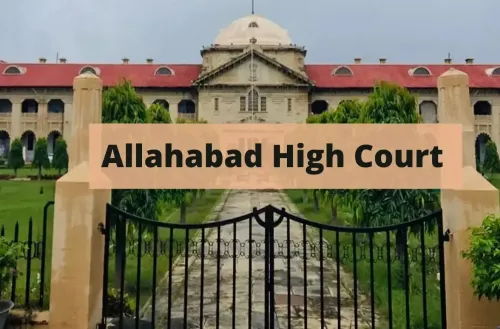
The Allahabad High Court, in a single-judge order by Justice Samit Gopal, had earlier rejected Mehta's bail application. The High Court noted that the complainant's matter regarding deficiency of stamp duty was pending before Mehta at the time of the alleged offence, and that two independent witnesses nominated by the District Magistrate had been part of the trap team. 'The amount as paid is a huge amount... No ground for bail is made out,' Justice Gopal had said.
Broader Significance
This ruling reinforces a growing line of Supreme Court jurisprudence holding that procedural delays by the state — particularly in securing mandatory sanctions — cannot translate into indefinite pre-trial detention for the accused. Notably, the Prevention of Corruption Act requires prior sanction from a competent authority before a court can take cognisance of an offence by a public servant, a safeguard designed to prevent frivolous prosecution. When that safeguard itself becomes a tool of prolonged incarceration through inaction, courts have increasingly stepped in. The Uttar Pradesh government's inability to provide a clear answer on sanction status is likely to draw scrutiny.
Point of View
That protective mechanism inverts into indefinite detention without trial. The UP government's inability to answer a direct question from the Bench on sanction status is an accountability failure that deserves scrutiny beyond this single case. Courts cannot be expected to indefinitely hold accused persons in custody to compensate for executive inertia.
NationPress
21 Oct 2026
Frequently Asked Questions
Why did the Supreme Court grant bail to Ravinder Mehta?
The Supreme Court granted bail because the competent authority had not granted prosecution sanction even after the charge sheet was filed on 7 February 2026, preventing the trial court from taking cognisance. The court held that this delay by the state cannot be used to keep a citizen in detention.
What is prosecution sanction and why is it required?
Under the Prevention of Corruption Act, a competent authority must grant prior sanction before a court can take cognisance of an offence alleged against a public servant. This safeguard is meant to prevent frivolous prosecutions, but in this case the authority had not acted despite the investigation being complete.
What were the conditions imposed on Ravinder Mehta's bail?
Mehta must furnish bail bonds to the satisfaction of the trial court, must not induce or threaten any person acquainted with the case, and must diligently attend trial proceedings. Any breach, including unexcused absence, could lead to cancellation of bail.
Why had the Allahabad High Court rejected bail earlier?
The Allahabad High Court, in an order by Justice Samit Gopal, found that the alleged demand of ₹1 lakh as illegal gratification was a serious charge, supported by two independent witnesses from the trap team nominated by the District Magistrate, and held that no ground for bail was made out.
Does the Supreme Court's bail order mean Mehta has been acquitted?
No. The court explicitly clarified that its observations are confined to the question of bail and must not be read as findings on the merits of the case. The trial will continue, and Mehta remains an accused.