SC denies bail to RTI activist who blocked Punjab road project, slams 'new business' trend
Synopsis
The Supreme Court didn't just deny bail — it delivered a pointed oral rebuke, calling RTI activism a 'new business' while dismissing a petition from two men accused of assaulting a public servant, blocking a Punjab road project, and using caste slurs against labourers. The remarks signal sharpening judicial impatience with unsanctioned 'oversight' of public infrastructure.
Key Takeaways
The Supreme Court on 15 June dismissed the anticipatory bail plea of Ramesh Kumar Behl and Rajiv Kumar alias Mintu , Punjab-based RTI activists.
The bench of Justice Sandeep Mehta and Justice Vijay Bishnoi orally remarked that 'RTI activism has become a new business.' An FIR was registered on 20 February at City Police Station, Batala under the BNS and the SC/ST (Prevention of Atrocities) Act .
The complainant allegedly suffered seven injuries , one of which was declared grievous , during the altercation at the road construction site.
The Punjab and Haryana High Court had earlier, on 14 May , also denied pre-arrest protection, citing specific and direct involvement of the accused.
The accused claimed false implication after allegedly exposing corruption and use of substandard material in the project — a defence rejected at this stage by both courts.
The Supreme Court on Monday, 15 June refused to grant anticipatory bail to a Punjab-based RTI activist accused of obstructing a government road construction project in Batala, assaulting a public servant, and using caste-based derogatory remarks against labourers. While dismissing the plea, the court orally observed that 'RTI activism has become a new business' — a sharp rebuke that signals judicial impatience with what it characterised as unsanctioned oversight of public infrastructure.
What the Court Said
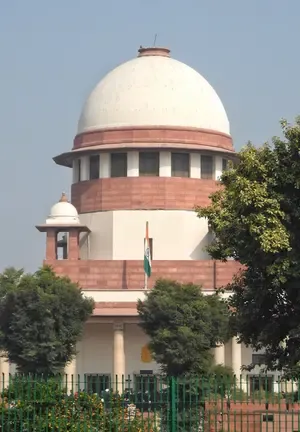
A bench of Justice Sandeep Mehta and Justice Vijay Bishnoi dismissed the special leave petition (SLP) filed by Ramesh Kumar Behl and Rajiv Kumar alias Mintu, who had challenged a Punjab and Haryana High Court order denying them pre-arrest protection. During the hearing, the Justice Mehta-led bench questioned the legal basis on which the petitioners claimed authority to monitor the road project.
'RTI activists have become a new business. The Central government has issued funds, it will take care of the construction of roads. You are nobody. So-called RTI activist! Yellow journalism,' the bench remarked orally. It further asked: 'Who are you to monitor the construction, all these road progress or all? Are you some superior authority?'
The FIR and Allegations
An FIR was registered on 20 February at the City Police Station, Batala, under provisions of the Bharatiya Nyaya Sanhita (BNS) and the Scheduled Castes and Scheduled Tribes (Prevention of Atrocities) Act. According to the prosecution, the accused obstructed an ongoing government road project, criminally intimidated the complainant and labourers at the site, and allegedly used caste-based slurs against workers belonging to Scheduled Castes.
The FIR further alleged that Behl struck the complainant with a sharp-edged weapon while the co-accused repeatedly kicked him, resulting in seven injuries, one of which was declared grievous. Government records were also allegedly snatched from the complainant during the altercation.
The Accused's Defence
The appellants contended before the court that they had been falsely implicated after exposing alleged corruption in the road project — specifically, the use of substandard construction material. They argued that the criminal case was registered under political pressure to protect contractors and officials allegedly involved in irregularities. The Supreme Court, however, declined to accept this as grounds for anticipatory bail at this stage.
High Court's Earlier Ruling
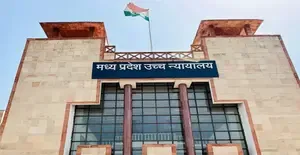
The Punjab and Haryana High Court, in its order dated 14 May, had held that the allegations disclosed 'specific and direct involvement' of the accused in obstructing government work, assaulting the complainant, and using caste-based derogatory remarks. A single-judge bench of Justice Rupinderjit Chahal had observed that the complainant suffered seven injuries including one grievous, and concluded that the nature and gravity of the charges — coupled with the need for custodial interrogation — did not warrant pre-arrest protection.
The High Court also noted that whether the accused had knowledge of the labourers' caste identity was a matter for trial, and could not be conclusively examined at the anticipatory bail stage. The Supreme Court, concurring with this reasoning, let the High Court's order stand.
Broader Implications
This comes amid growing judicial scrutiny of individuals who invoke RTI provisions or self-styled activist roles to intervene in public works without statutory authority. Notably, the Supreme Court's oral remarks — though not forming part of the binding order — are likely to be cited in similar cases where the line between legitimate whistleblowing and obstruction is contested. The accused will now face the prospect of arrest, with the trial court remaining the next forum for relief.
Point of View
As a statutory right, has been a cornerstone of accountability journalism and citizen oversight; tarring it as 'yellow journalism' in open court risks chilling legitimate use. The real question the bench sidestepped is structural: India has no independent mechanism to verify the quality of public works mid-construction, which is precisely the gap that RTI-armed citizens — however imperfectly — try to fill. Whether these particular accused crossed a line from oversight into obstruction and violence is for trial to determine. But the court's rhetoric, even if not binding, will be quoted selectively to delegitimise future whistleblowers.
NationPress
21 Sept 2026
Frequently Asked Questions
Why did the Supreme Court deny anticipatory bail to the RTI activists?
The Supreme Court dismissed the anticipatory bail plea because the allegations — obstructing a government road project, assaulting a public servant causing seven injuries including one grievous, and using caste-based slurs — disclosed serious offences warranting custodial interrogation. The court found no grounds to override the Punjab and Haryana High Court's earlier denial of pre-arrest protection.
What did the Supreme Court mean by 'RTI activism has become a new business'?
The remark was made orally by the bench during the hearing and is not part of the binding order. The court was questioning the legal authority of the petitioners to monitor a government road project, suggesting that some individuals misuse RTI provisions to interfere with public works rather than for genuine accountability. The observation does not alter the legal status of RTI as a statutory right.
What are the charges against Ramesh Kumar Behl and Rajiv Kumar alias Mintu?
They are accused of obstructing an ongoing government road construction project in Batala, Punjab, assaulting the complainant with a sharp-edged weapon and kicking him — causing seven injuries, one grievous — and using caste-based derogatory remarks against Scheduled Caste labourers. An FIR was registered on 20 February under the BNS and the SC/ST (Prevention of Atrocities) Act.
What was the accused's defence?
The accused claimed they were falsely implicated after exposing alleged corruption in the road project, including the use of substandard construction material. They argued the FIR was filed under political pressure to shield contractors and officials. Both the Punjab and Haryana High Court and the Supreme Court declined to accept this as sufficient grounds for anticipatory bail at the pre-trial stage.
What happens next for the accused?
With anticipatory bail denied by both the High Court and the Supreme Court, the accused now face the prospect of arrest. Their next legal recourse would be to seek regular bail from a sessions court after arrest, while the criminal trial proceeds under the BNS and the SC/ST (Prevention of Atrocities) Act.