Did the SC Reserve Verdict on Justice Varma’s Impeachment Challenge?
Synopsis
The Supreme Court has reserved its verdict on Justice Yashwant Varma's plea against impeachment proceedings linked to cash discovery allegations. With a complex legal backdrop and procedural challenges at play, this case has significant implications for judicial integrity and independence.
Key Takeaways
The Supreme Court has reserved its verdict on a significant impeachment plea.
Justice Varma is challenging the procedural integrity of the inquiry process.
The case raises key questions about judicial independence in India.
Impeachment notices have substantial backing from Parliament members.
The inquiry began after serious allegations of cash discovery.
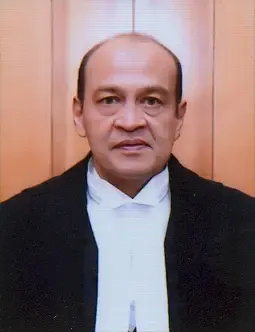
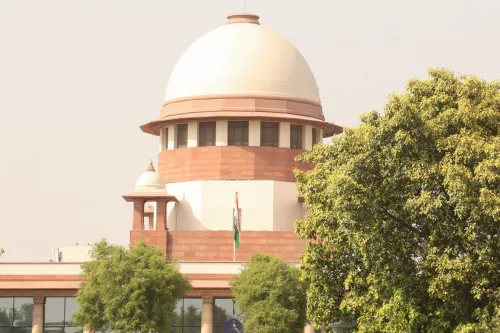
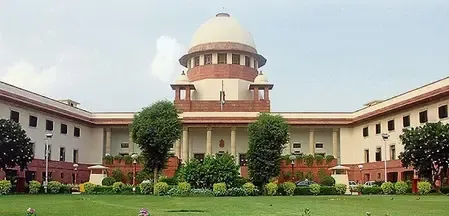
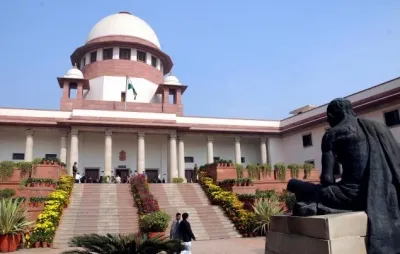
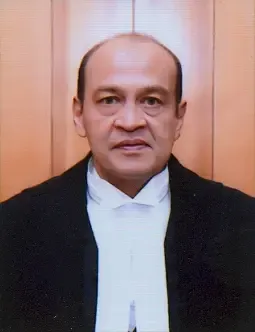
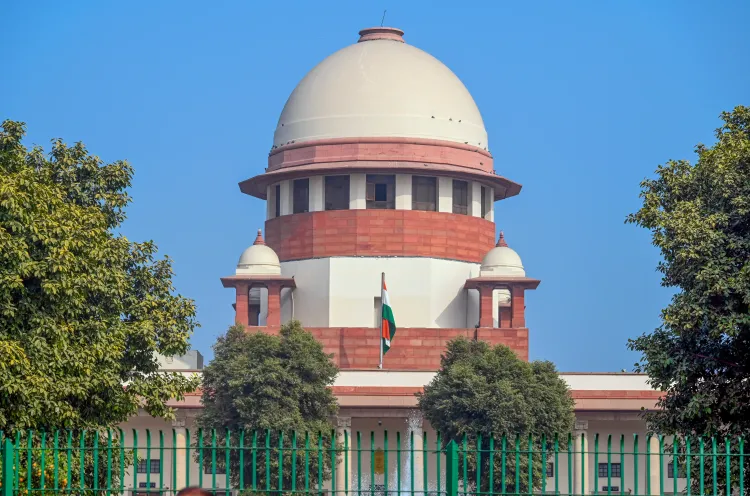
New Delhi, Jan 8 (NationPress) The Supreme Court has reserved its decision regarding a petition submitted by Allahabad High Court Justice Yashwant Varma, who is embroiled in impeachment proceedings tied to allegations of cash discovery. He is contesting the Lok Sabha Speaker's choice to form a three-member inquiry committee against him under the Judges (Inquiry) Act, 1968.
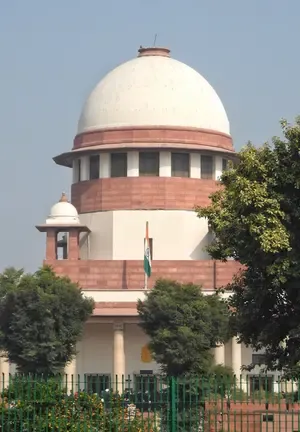
A bench consisting of Justices Dipankar Datta and Satish Chandra Sharma made this ruling after extensive deliberations from all parties involved.
The bench denied Justice Varma’s request for more time to present himself before the inquiry committee.
Senior advocate Siddharth Aggarwal, representing Justice Varma, sought an extension for submitting a written reply to the committee, stating that a prior extension had been granted.
However, the Justice Datta-led bench declined this request, stating, "You appear. File written submissions by Monday. Judgment reserved."
The inquiry committee, initiated by the Lok Sabha Speaker, had requested Justice Varma’s response in November 2025. The deadline for his written reply was extended to January 12, 2026, and he was instructed to appear before the committee on January 24.
In his petition, Justice Varma challenges the Lok Sabha Speaker’s decision largely on procedural grounds. The petition asserts that while impeachment notices were filed in both the Lok Sabha and Rajya Sabha simultaneously, Speaker Om Birla established the inquiry committee unilaterally, without waiting for the Rajya Sabha Chairman’s decision or engaging in the required joint consultation.
It was argued that the proviso to Section 3(2) of the Judges (Inquiry) Act stipulates that when notices are issued simultaneously in both Houses, no committee can be formed unless the motion is accepted in both Houses, and by mutual agreement between the Speaker and the Chairman.
In contrast, the Lok Sabha Secretariat countered the petition, stating that the Rajya Sabha did not admit the impeachment motion. It was noted that the motion was dismissed by the Rajya Sabha Deputy Chairman on August 11, 2025, following the resignation of the then Chairman and Vice President Jagdeep Dhankhar in July.
The Lok Sabha Speaker's actions were deemed legitimate, as the proviso to Section 3(2) was argued not to apply.
Solicitor General Tushar Mehta, representing the Lok Sabha and Rajya Sabha officials, contended that the intent of the proviso to Section 3(2) was merely to prevent the establishment of two separate inquiry committees regarding the same allegations.
He further explained that the admission of an impeachment motion is not a given and requires thoughtful consideration by the presiding officer of the respective House.
Justice Varma has been in the spotlight since cash was reportedly discovered during a fire incident at his official residence in March 2025, while he was serving as a judge of the Delhi High Court. Although he was not on-site during the fire, a Supreme Court-formed three-member in-house inquiry committee later concluded that he had exercised “secret or active control” over the cash.
Based on this inquiry report, the then Chief Justice of India Sanjiv Khanna recommended the initiation of removal proceedings. In August of this year, the Supreme Court dismissed Justice Varma’s petition contesting the in-house inquiry, stating that the established procedures are “fair and just” and do not undermine judicial independence, a core component of the Constitution.
Impeachment notices, supported by 145 Lok Sabha members and 63 Rajya Sabha members, were filed in both Houses of Parliament in July 2025. The Lok Sabha Speaker's formation of a three-member inquiry committee is now being challenged in the Supreme Court.
Point of View
I observe that the developments surrounding Justice Varma's case reflect the ongoing tension between judicial authority and legislative oversight. The Supreme Court's careful handling of this matter is crucial for maintaining the independence of the judiciary in India.
NationPress
2 Oct 2026
Frequently Asked Questions
What is the basis of Justice Varma's challenge?
Justice Varma's challenge is primarily based on procedural grounds, arguing that the Lok Sabha Speaker's unilateral formation of the inquiry committee violated the Judges (Inquiry) Act, 1968.
What are the implications of the Supreme Court's decision?
The Supreme Court's decision could set a precedent for how impeachment proceedings are conducted in the future, particularly regarding the balance of power between the judiciary and legislature.
When is Justice Varma expected to appear before the inquiry committee?
Justice Varma has been directed to appear before the inquiry committee on January 24, 2026.
Who is representing Justice Varma in the Supreme Court?
Senior advocate Siddharth Aggarwal is representing Justice Varma in this case.
What led to the impeachment proceedings against Justice Varma?
The impeachment proceedings were initiated after allegations surfaced regarding the discovery of cash during a fire incident at Justice Varma's official residence.