Indian-American truckers hit by US CDL crackdown; Sikh leader meets Sean Duffy
Synopsis
For the first time, the Indian-American trucking community has secured a direct two-hour meeting with a Trump cabinet secretary over CDL regulations that have reportedly stripped over 50,000 drivers — many of them Sikh — of their livelihoods. The encounter exposes a collision between the administration's road-safety crackdown and the economic survival of one of America's most overlooked immigrant professional communities.
Key Takeaways
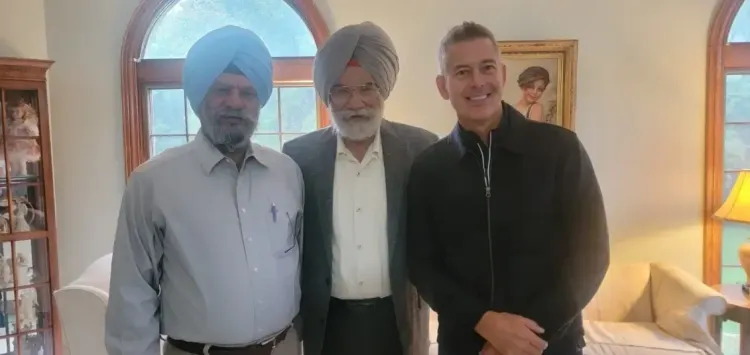
Darshan Singh Dhaliwal , a Pravasi Bharatiya Samman awardee, met US Transportation Secretary Sean Duffy at his Milwaukee -area home to raise concerns about CDL cancellations affecting Indian-American truck drivers.
Dhaliwal estimated more than 50,000 drivers had been affected, including large numbers of Sikhs and Indian-Americans from Punjab , Haryana , and Gujarat .
The meeting lasted approximately two hours ; Duffy cited road safety and fraudulent driving-school credentials as his primary concerns.
Community representatives support action against fake licences but oppose blanket measures that penalise qualified, experienced drivers.
Some affected families reportedly fear deportation in addition to job loss, compounding community anxiety.
No formal policy commitment was announced; Duffy reportedly indicated he would 'work on the issue.'
Prominent Indian-American businessman and philanthropist Darshan Singh Dhaliwal has formally raised concerns with US Transportation Secretary Sean Duffy over new commercial driving licence (CDL) regulations that have reportedly cost more than 50,000 truck drivers their livelihoods — a disproportionate share of them Sikh and Indian-American. The meeting, held at Dhaliwal's Milwaukee-area residence last week, lasted approximately two hours and marks one of the first direct engagements between the Indian-American trucking community and the Trump administration on this issue.
Who Raised the Issue and Why
Dhaliwal, a native of Patiala district, Punjab, and a 2023 recipient of the Pravasi Bharatiya Samman — India's highest honour for overseas Indians — said he had been receiving calls from distressed families whose earning members suddenly found themselves unable to work. He urged the administration to distinguish between improperly licensed drivers and experienced professionals who had fulfilled all training and safety requirements.
'Our people are suffering. Our people are good truck drivers,' Dhaliwal said, adding: 'They were making good money, good living, and all of a sudden they're off the job.'
He clarified that the impact extended well beyond the Sikh community, affecting Indian-origin drivers from Punjab, Haryana, Gujarat and other states. 'It's not only Sikh. If you take as a Indian community,' he said, stressing the broader dimensions of the crisis.
Scale of the Impact
According to Dhaliwal, the CDL cancellations had affected not only individual drivers but also trucking businesses, some of which operated fleets of hundreds of vehicles. Several Indian-American trucking operators had reportedly suffered substantial financial losses, and the reduction in available drivers was contributing to higher transportation costs.
When asked whether the disruption had fed into consumer prices, Dhaliwal replied: 'Yes, that's one of the reasons.' This is notable given the broader debate in the US over supply-chain inflation, where freight costs remain a key variable.
What the Transportation Secretary Said
Secretary Duffy emphasised road safety as his principal concern, citing serious highway accidents and allegations of fraudulent credentials being issued by some driving schools. Community representatives, Dhaliwal said, fully supported cracking down on improperly trained drivers and fake licences — but opposed blanket measures that swept up qualified, experienced drivers alongside bad actors.
'We don't want anybody to get a fake license or not do proper driving,' Dhaliwal said. He also acknowledged the importance of English-language proficiency for commercial vehicle operators, saying drivers operating heavy vehicles across the United States should meet the requisite standards. The community's position, he said, was that drivers who met training, safety and language requirements deserved equal treatment.
Duffy reportedly indicated he would work on the issue, though no formal commitment or timeline was announced following the meeting.
Deportation Fears Add to Community Anxiety
Beyond the loss of income, Dhaliwal said some affected families had expressed concern about relatives facing possible deportation — an anxiety compounded by the Trump administration's broader immigration enforcement posture. The intersection of CDL cancellations and immigration status has added a layer of vulnerability for drivers who had built careers and families in the United States over many years.
What Comes Next
The meeting signals growing political mobilisation within the Indian-American trucking community, which has historically operated below the radar of mainstream diaspora advocacy. With no immediate policy reversal on the table, community leaders are expected to continue lobbying the administration while exploring legal avenues for drivers whose licences were cancelled without due process. The outcome of these engagements could set a precedent for how the Trump administration balances road-safety enforcement against the economic and civil-rights concerns of immigrant professional communities.
Point of View
Largely Punjabi-origin — is not the demographic that typically commands a cabinet secretary's ear, which makes Dhaliwal's access notable. But a two-hour meeting with no announced outcome is a listening session, not a policy shift. The real test is whether the Trump administration can operationally separate fraudulent licensing from legitimate drivers, or whether road-safety optics will continue to override due process. The deportation dimension — where a cancelled CDL could trigger immigration jeopardy — is the part of this story that mainstream coverage has largely missed.
NationPress
10 Oct 2026
Frequently Asked Questions
Why are Indian-American truck drivers losing their commercial driving licences in the US?
New US trucking regulations, implemented amid concerns over road safety and fraudulent credentials issued by some driving schools, have led to the cancellation of commercial driving licences (CDLs) for a large number of drivers. According to Darshan Singh Dhaliwal, over 50,000 drivers — many of them Sikh and Indian-American — have been affected, including experienced professionals who had worked in the industry for years.
Who is Darshan Singh Dhaliwal and why did he meet Sean Duffy?
Darshan Singh Dhaliwal is a prominent Indian-American businessman and philanthropist from Patiala, Punjab, and a 2023 recipient of the Pravasi Bharatiya Samman. He met US Transportation Secretary Sean Duffy at his Milwaukee-area home to advocate on behalf of affected Indian-American truck drivers, urging the Trump administration to protect qualified drivers from blanket CDL cancellations.
What was Transportation Secretary Sean Duffy's response?
Secretary Duffy emphasised road safety as his primary concern, pointing to serious accidents and allegations of fraudulent driving-school credentials. He reportedly listened to the community's concerns during the two-hour meeting and indicated he would work on the issue, though no specific policy commitment or timeline was announced.
How are the CDL cancellations affecting Indian-American families beyond job loss?
Beyond income loss, some affected families have reportedly expressed fears about possible deportation, as the loss of a CDL can intersect with immigration status for drivers who depend on their trucking work to maintain lawful presence in the United States. Reduced driver availability has also contributed to higher transportation costs, which Dhaliwal said has fed into consumer prices.
What is the Indian-American community's position on road safety enforcement?
Community representatives, as articulated by Dhaliwal, fully support strict action against fraudulent licences and improperly trained drivers. Their position is that drivers who meet all training, safety and English-language proficiency requirements should be treated equally and allowed to continue working — opposing only measures that indiscriminately penalise qualified, experienced professionals.