Sikh pilgrims missed Pakistan yatra over passport delays: Report
Synopsis
Pakistan issued 3,091 visas for Guru Nanak's Prakash Purab, then reportedly kept passports so long that over 500-600 Sikh pilgrims missed the journey. A Khalsa Vox report calls it a double standard: Islamabad invokes Sikh heritage and Kartarpur abroad, yet allegedly failed the devotees at the most basic administrative step.
Key Takeaways
Pakistan issued 3,091 visas to Sikh devotees for the Prakash Purab of Guru Nanak Dev Ji .
Over 500-600 devotees reportedly missed the yatra due to passport delays blamed on the Pakistan High Commission .
Around 259 devotees could not travel because they lacked clearance from the Indian government .
A Khalsa Vox report by Sudeep Singh accused Pakistan of double standards on Sikh heritage.
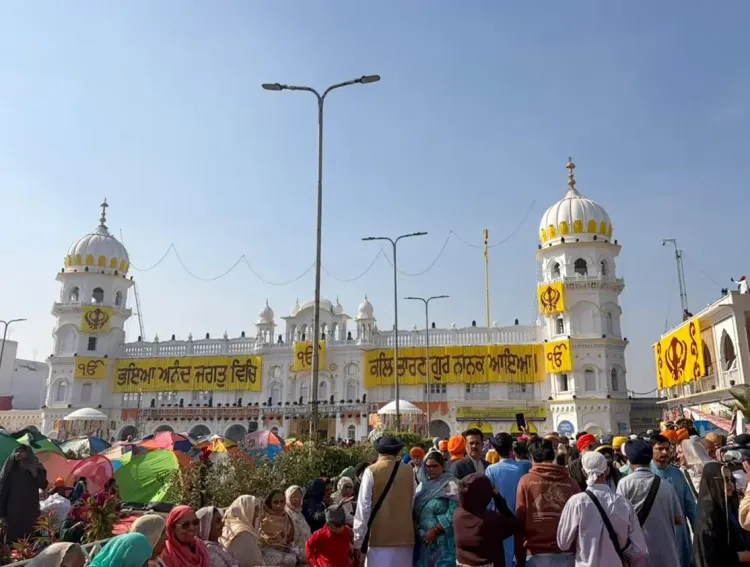
A two-member consular team from India's High Commission in Islamabad joined pilgrims at Nankana Sahib .
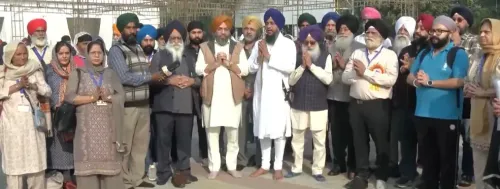
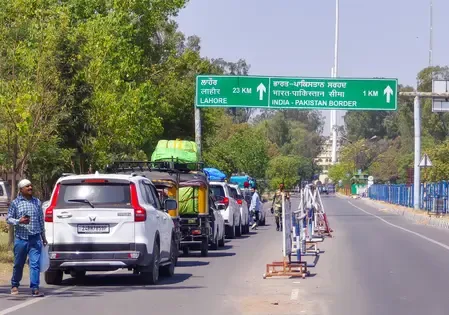
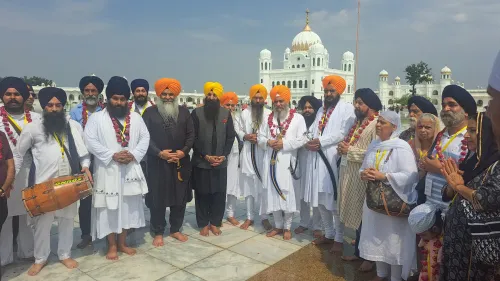
Over 500-600 Sikh pilgrims from India reportedly could not travel to Pakistan for the Prakash Utsav of Guru Nanak because of delays in returning their passports, according to a report in Khalsa Vox. The report blames the Pakistan High Commission for negligence and administrative mismanagement. It says the episode exposes the hollowness of Islamabad's repeated claims of love, respect and sympathy for the global Sikh community.
Pakistan had issued 3,091 visas to Sikh devotees for the Prakash Purab celebrations of Guru Nanak Dev Ji, the report said. Hundreds of applicants were nonetheless kept in uncertainty until the last moment and ultimately missed the pilgrimage to historic Sikh shrines, including Nankana Sahib.
Key Developments
The report breaks down why devotees with valid visas did not travel. Around 259 devotees could not visit Pakistan because they did not receive the necessary clearance from the Indian government.
A larger group, estimated at over 500-600 devotees, reportedly missed the yatra because of the Pakistan High Commission's alleged negligence, delays in returning passports and administrative lapses. The report argues this was not a routine administrative failure or an ordinary bureaucratic delay. It says the matter touches the religious sentiments of devotees who regard a visit to these shrines as one of the greatest aspirations of their lives.
What the Report Alleged
Writing in the report, Sudeep Singh questioned the timeline of the process. “If Pakistan had already issued visas to the devotees, why were their passports not returned on time? When the pilgrimage dates had been fixed well in advance, why did the High Commission fail to complete the necessary formalities within the stipulated time?” he wrote.
He added: “Does the Pakistani government not understand that visiting Sikh holy shrines is not an ordinary tourist excursion? It is a matter of devotion, faith, spiritual connection, and emotions cherished across generations.”
The report also described the toll on families. “Consider the pain suffered by elderly devotees who would have spent years hoping that they would be able to visit the sacred land of Nankana Sahib and the pain of families who had made preparations for the visit months in advance,” it said.
Allegation of Double Standards
The report contrasts Pakistan's diplomatic messaging with conditions on the ground. Pakistani ministers and officials, it noted, often say on international platforms that Pakistan's doors are always open to Sikh devotees. They also frequently invoke Sikh heritage, the teachings of Guru Nanak Dev Ji, Kartarpur Sahib and historic gurdwaras.
“Pakistan's conduct exposes its double standards,” Sudeep Singh wrote. He argued that while Islamabad leaves no opportunity unused to promote the Kartarpur Corridor and showcase its religious tolerance, “the same administration appears to demonstrate insensitivity and negligence” when it comes to enabling pilgrimages.
India's Consular Role
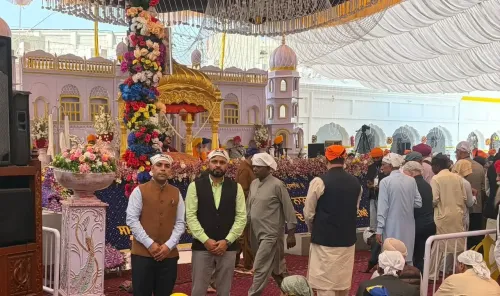
Meanwhile, a two-member consular team from the High Commission of India in Islamabad joined Sikh pilgrims from India at Nankana Sahib. The team coordinated efforts to ensure the smooth conduct of the yatra for all pilgrims in Pakistan.
Pakistan has not publicly responded to the specific allegations in the report. Whether Islamabad's procedures are reviewed before the next scheduled Sikh pilgrimage could shape how future yatras are conducted.
Point of View
But if visas are issued while passports are not returned in time, that narrative weakens with the very community it is meant to win over. The report's figures also deserve scrutiny on India's side, since 259 devotees were held back by a lack of Indian clearance. Both governments owe pilgrims a predictable, time-bound process, not last-minute uncertainty on one of the most sacred dates in the Sikh calendar.
NationPress
29 Nov 2026
Frequently Asked Questions
Why did Sikh pilgrims miss the Prakash Purab yatra to Pakistan?
Over 500-600 devotees reportedly could not travel because the Pakistan High Commission delayed returning their passports, according to a Khalsa Vox report. Another 259 did not receive clearance from the Indian government.
How many visas did Pakistan issue for Guru Nanak's Prakash Purab?
Pakistan issued 3,091 visas to Sikh devotees for the Prakash Purab celebrations of Guru Nanak Dev Ji. A significant number of those visa holders reportedly could not make the journey.
What did the Khalsa Vox report allege against Pakistan?
The report, written by Sudeep Singh, accused Pakistan of double standards. It argues that Islamabad promotes Sikh heritage and the Kartarpur Corridor internationally but showed negligence in facilitating the pilgrimage.
What role did the Indian High Commission play during the yatra?
A two-member consular team from the High Commission of India in Islamabad joined Sikh pilgrims at Nankana Sahib. The team coordinated efforts to ensure the smooth conduct of the yatra for all pilgrims in Pakistan.