How is Grassroots Solidarity Emerging in Indonesia After the Catastrophic Sumatra Floods and Landslides?
Synopsis
In Indonesia, grassroots solidarity is flourishing in response to the devastating floods and landslides in Sumatra, as communities rally through small kitchens and volunteer efforts to support those affected. Discover the inspiring stories of resilience and cooperation across the nation as they work to rebuild lives.
Key Takeaways
More than 1,100 lives lost due to severe floods and landslides in Sumatra.
A vast network of community support and volunteer initiatives is emerging.
Ready-to-eat meals are a crucial form of aid.
Efforts are ongoing to rebuild sanitation facilities.
Small businesses are playing a significant role in providing support.
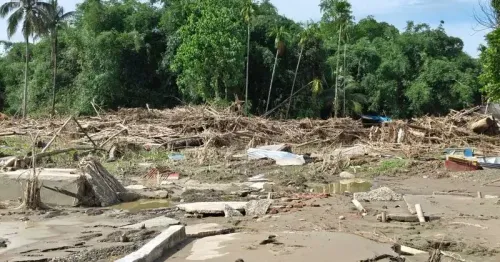
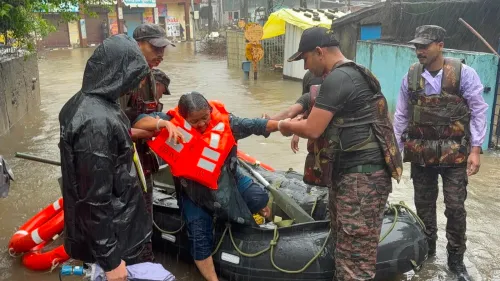
Jakarta, Jan 1 (NationPress) Following the devastating floods and landslides in Aceh, West Sumatra, and North Sumatra, which have tragically resulted in over 1,100 fatalities and left many individuals homeless, hungry, and vulnerable, a vast network of aid has emerged. This includes everything from small community kitchens to extensive volunteer operations nationwide.
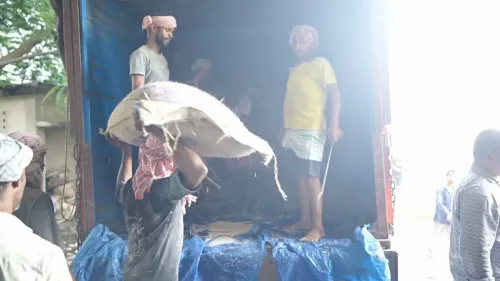
Britania Sari, a key figure in the relief efforts, has just returned to her residence in Bogor, West Java, after coordinating the delivery of six trucks filled with essential items like clothes, water filters, medicines, sleeping mats, mosquito nets, and ready-to-eat meals to the affected regions.
She initiated her independent aid mobilization on December 2, 2025, after sharing a call for help on social media, which quickly garnered support from volunteers and organizations across various regions.
"We divided the responsibilities: volunteers in the impacted areas assessed the needs of evacuees, while those of us outside concentrated on fundraising," Britania shared with Xinhua news agency.
Ready-to-eat meals have emerged as a crucial form of assistance, as packaged rice, tubers, vegetables, and both animal- and plant-based proteins are easy to distribute, have extended shelf lives, and can be consumed without cooking.
Britania noted that conditions in the disaster-affected regions of Sumatra have rendered raw food largely impractical, as many residents have lost their cooking utensils, access to clean water, and communal kitchens. Insights from previous calamities, such as the eruption of Mount Semeru, indicated that retort food was among the most effective survival options.
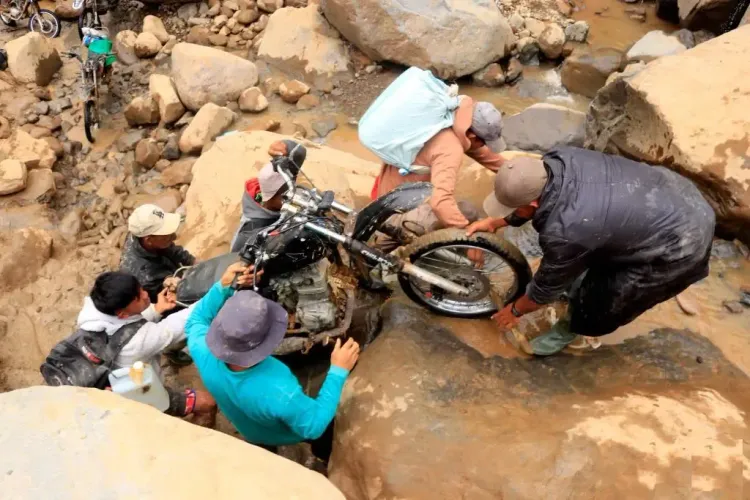
However, delivering aid has proven challenging due to the extensive affected areas and compromised transportation infrastructure. The six trucks have reached numerous primary relief points in Padang, Langsa, Lhokseumawe, and Gayo Lues regencies, where local volunteers have redistributed supplies to more isolated locations.
Close coordination was essential to avoid aid becoming concentrated in one area while neglecting other communities. In remote areas like Gayo Lues, some supplies had to be transported by helicopter with limited carrying capacity.
Britania expressed that public support has been remarkable, yet still lacking. Many isolated communities remain hard to reach, and a significant number of evacuees have lost their means of livelihood.
Although she has returned to Bogor, donations keep pouring in. On Tuesday, she assisted in unloading another truck carrying water purification equipment, clothing, and food, while additional supplies are scheduled to be shipped by sea in collaboration with the Indonesian Red Cross.
In January 2026, Britania and fellow volunteers plan to focus on constructing sanitation facilities, as such infrastructure remains scant while hundreds of thousands of individuals continue to reside in evacuation tents.
Support has also come from small businesses. In the student city of Yogyakarta, Muflih Kholidin, the owner of Warung Makan Nusantara, a food stall, has been providing complimentary meals to students from affected areas who have lost access to essential logistics.
"We are dedicated to supporting them until their hometowns recover and their parents can restore their livelihoods," Muflih stated.
Each day, more than 20 menu options are available, and the food stall has transformed into a space for sharing stories, where laughter, tears, and relief are exchanged around the dining table. Some students recount homes buried in mud, rice fields ruined, and families still displaced.
For Muflih, hearing their stories is just as vital as serving warm meals. At times, he personally delivers dozens of ready-to-eat meal packages to students' boarding houses.
He believes that humble kitchens like his can serve as bridges of empathy between those who have suffered and those eager to lend a helping hand.
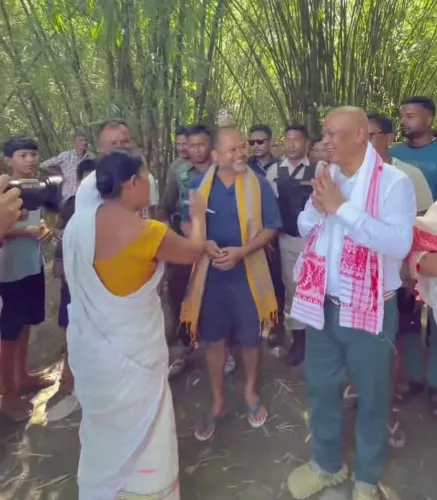
Despite the lingering mud and a gradual recovery, these collective social initiatives vividly illustrate the profound solidarity rooted in Indonesian society.
Point of View
I observe that the recent floods and landslides in Indonesia have sparked an inspiring wave of grassroots solidarity. The response from local communities, characterized by selfless volunteerism and cooperation, exemplifies the resilience of the Indonesian spirit. It is crucial for us to highlight these efforts as they reflect the strength and compassion inherent in our society.
NationPress
29 Sept 2026
Frequently Asked Questions
What caused the floods and landslides in Sumatra?
Heavy rainfall and geological instability in the region led to the severe floods and landslides.
How can I help those affected by the disaster?
You can assist by donating to local charities and volunteering in relief efforts coordinated by established organizations.
What types of aid are most needed in the affected areas?
Essentials like food, clean water, clothing, and sanitation facilities are urgently required.
How many people have been displaced due to the floods?
The disaster has displaced hundreds of thousands of residents, many of whom are living in evacuation tents.
Is there a long-term recovery plan in place?
Yes, various organizations are working on long-term recovery plans that include rebuilding homes and infrastructure.