Has Indonesia's flood death toll surpassed 1,000?
Synopsis
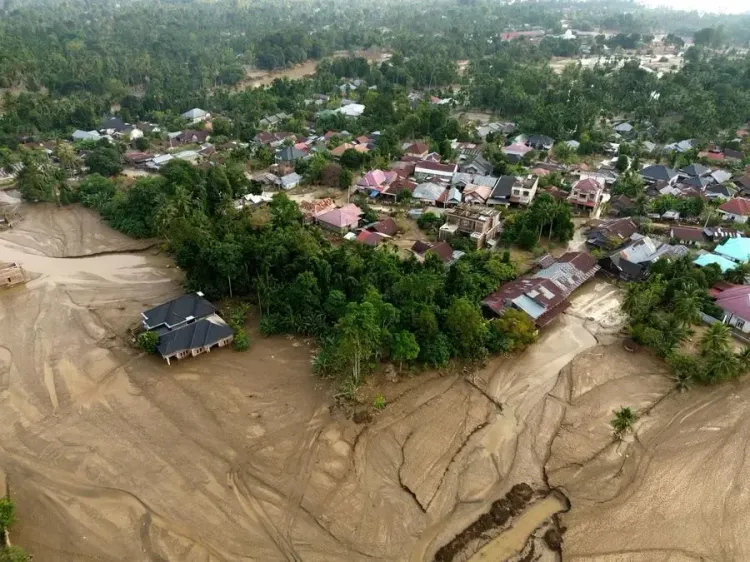
The devastating floods and landslides in Indonesia have claimed over 1,000 lives, with ongoing rescue efforts. President Prabowo Subianto emphasizes government commitment to recovery as the nation grapples with the aftermath of this environmental catastrophe.
Key Takeaways
Over 1,000 fatalities reported due to floods and landslides in Indonesia.
218 individuals remain missing, highlighting ongoing search efforts.
The government is focused on community recovery and fulfilling basic needs.
Infrastructure damage includes 1,200 public facilities .
Experts stress the importance of resilience planning to prevent future disasters.
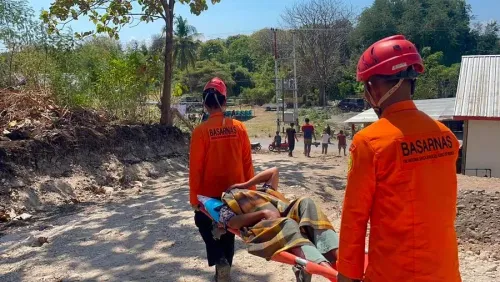
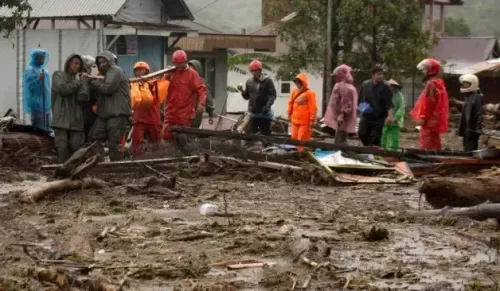
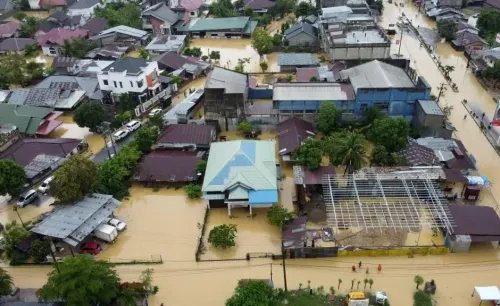
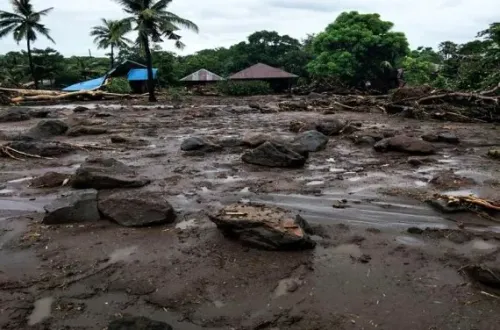
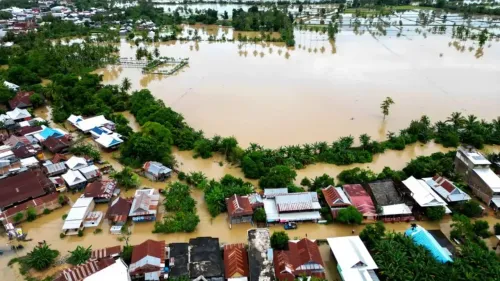
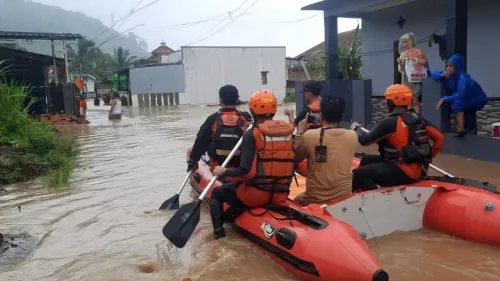
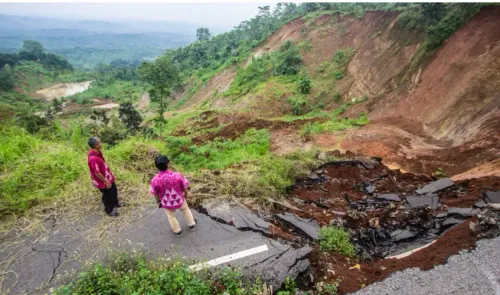
Jakarta, Dec 13 (NationPress) The toll of fatalities due to floods and landslides in three provinces on Sumatra Island, Indonesia has tragically surpassed 1,000, with 218 individuals still unaccounted for, as per the latest update released on Saturday by the National Disaster Management Agency (BNPB).
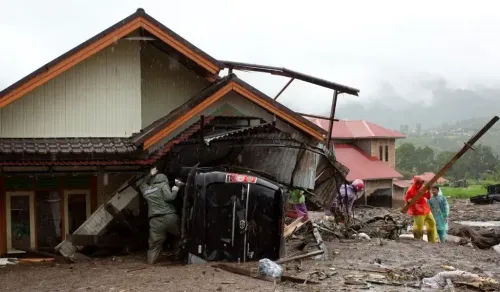
The calamities have inflicted severe damage on infrastructure. The BNPB reported extensive destruction affecting around 1,200 public facilities, including 219 health centers, 581 educational institutions, 434 places of worship, 290 office buildings, and 145 bridges.
Abdul Muhari, the head of BNPB's Data and Information Center, stated during a press conference on Friday that efforts to verify and cross-check data with civil records are proceeding at the sub-district level. He emphasized that victims are being identified by name and residence, with the verification process ongoing in various districts, according to reports from the Xinhua news agency.
In the meantime, Indonesian President Prabowo Subianto, during his visit to the flood-affected regions in Aceh on Friday, affirmed that the government is committed to addressing the community's essential needs.
"We will collectively improve this situation. The government is determined to assist in every possible way," Prabowo stated.
He also encouraged all citizens to remain resilient and maintain their spirits high throughout the recovery phase, expressing hope for a swift return to normalcy in community activities, including education for children.
Earlier this week, Subianto presided over a meeting focused on disaster response and recovery initiatives after evaluating several impacted locations in Aceh.
He called for enhanced collaborative efforts involving the military, police, the national search and rescue agency, BNPB, and local authorities to expedite aid distribution, ensure security, and restore connectivity among regions isolated by the disaster.
According to the World Meteorological Organization, Asia is currently experiencing warming nearly twice as fast as the global average, contributing to increasingly severe weather patterns that are heavily impacting the region's economies, ecosystems, and communities.
Hijrah Saputra, a lecturer in disaster management at Airlangga University in Indonesia, pointed out that early warning systems have not reached remote villages, spatial planning remains inconsistent, and environmental rehabilitation efforts are still hit-or-miss.
"To mitigate future casualties, resilience must be developed through effective spatial planning, watershed ecology, and integrated regional early warning systems," he emphasized.
Point of View
It is crucial to highlight the urgency and human impact of the devastating floods and landslides in Indonesia. The loss of over 1,000 lives is a tragic reminder of the need for resilient infrastructure and effective disaster management strategies. The government's proactive response is commendable, but ongoing efforts must focus on community recovery and future prevention.
NationPress
9 Oct 2026
Frequently Asked Questions
What areas in Indonesia are affected by the floods?
The floods and landslides have primarily impacted three provinces on Sumatra Island.
How many people are reported missing?
As of the latest reports, 218 individuals are still missing due to the disasters.
What is the government's response to the disasters?
The government, led by President Prabowo Subianto, is actively engaged in rescue and recovery efforts, focusing on fulfilling the basic needs of the affected communities.
What kind of infrastructure damage has occurred?
The disasters have resulted in damage to approximately 1,200 public facilities, including health and educational institutions, places of worship, and bridges.
How can future casualties be reduced?
Experts suggest that enhancing early warning systems, spatial planning, and watershed ecology are crucial for building resilience against future disasters.