Sonia Gandhi memoir: Nitish Kumar sought INDIA Bloc exit, was under BJP control
Synopsis
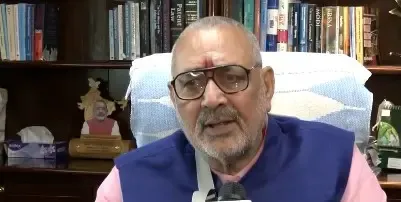
Sonia Gandhi's 544-page memoir doesn't just recount history — it delivers a pointed verdict. She alleges Nitish Kumar was under BJP's thumb all along, perpetually hunting for an exit from the INDIA Bloc, while Mallikarjun Kharge goes further, calling Kumar's bid to lead the alliance mere pretence. The book is the most detailed official Congress account yet of why the Opposition coalition fractured before 2024.
Key Takeaways
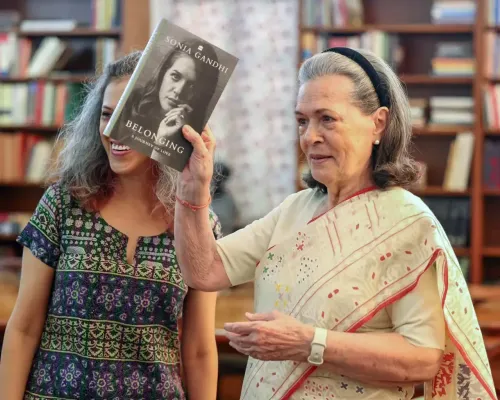
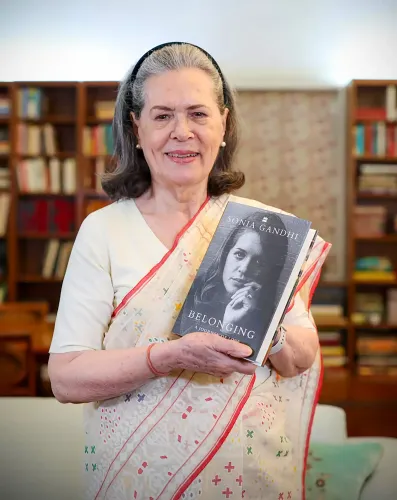
Sonia Gandhi's memoir 'Belonging: A Journey of Love' was released on 10 November 2026 , published by HarperCollins India ( 544 pages ).
Gandhi alleges Nitish Kumar was under BJP's control and constantly sought an opportunity to exit the INDIA Bloc .
Kumar walked out of the Grand Alliance in January 2024 and rejoined the BJP-led NDA , forming a government in Bihar .
At a CWC meeting on 29-30 September 2026 , Gandhi reportedly said the party was 'fortunate' Kumar had left, attributing it to his predetermined intent to quit.
Congress President Mallikarjun Kharge said Kumar had wanted to leave from the outset and his attempt to become the Bloc's convener was 'merely pretence'.
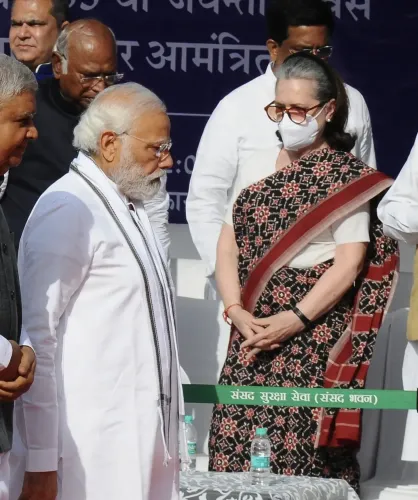
The memoir also covers Gandhi's relationships with PM Narendra Modi and former President Pranab Mukherjee .
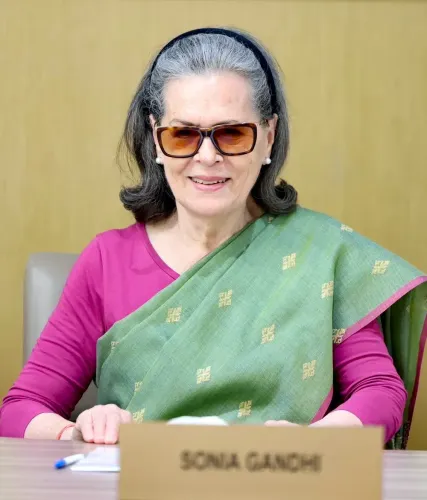
Congress Parliamentary Party (CPP) Chairperson Sonia Gandhi's memoir, 'Belonging: A Journey of Love', released on 10 November 2026, alleges that former Bihar Chief Minister Nitish Kumar was actively seeking an opportunity to exit the INDIA Bloc and was under the BJP's control throughout the alliance's formation. Published by HarperCollins India, the 544-page autobiography is triggering fresh debate across political circles about the collapse of Opposition unity ahead of the 2024 Lok Sabha elections.
What the Memoir Reveals About Nitish Kumar
In the book, Gandhi writes that Nitish Kumar initially played an active role in bringing Opposition parties together under the INDIA Bloc umbrella. However, she alleges that his participation masked a persistent intent to leave — describing him as constantly looking for an exit window and operating under BJP's influence. In January 2024, Kumar walked out of the Grand Alliance and rejoined the BJP-led National Democratic Alliance (NDA), subsequently forming a government with the BJP in Bihar.
Gandhi frames the episode not as a personal conflict but as a broader symptom of the structural fragility within the Opposition coalition. She situates Kumar's departure within the larger pattern of alliance breakdowns that weakened the INDIA Bloc's electoral prospects.
'Thank God, He Left': The Remark That Resurfaced
An old remark attributed to Gandhi — 'Thank God, he left' — has resurfaced on social media and in political circles following the memoir's release. According to reports, the comment was made during a Congress Working Committee (CWC) meeting held on 29-30 September 2026.
At that meeting, senior Congress leader Digvijaya Singh reportedly argued that the party should not have let Kumar leave the INDIA Bloc, contending that the country's political trajectory could have been different had he remained with the Opposition. Gandhi reportedly responded that the party was fortunate Kumar had left when he did, as he was destined to quit and had been perpetually seeking an opportunity to do so. She also reiterated her allegation that Kumar was under BJP's control.
Congress President Mallikarjun Kharge aligned with Gandhi's assessment at the same meeting, asserting that Kumar had wanted to exit the alliance from the very beginning and that his bid to become the Bloc's convener was, in Kharge's characterisation, merely a pretence.
INDIA Bloc's Formation and Its Fractures
The memoir devotes considerable space to the formation of the INDIA Bloc and the considerable difficulties involved in holding together a coalition of ideologically diverse parties. Gandhi describes the setbacks the alliance encountered in the months leading up to the 2024 general elections — a period marked by high-profile defections and internal disagreements over seat-sharing and leadership.
Notably, this is not the first time the Congress has publicly questioned Kumar's commitment to the Opposition project. His multiple political realignments — switching between the NDA and Opposition-aligned fronts multiple times over the past decade — have made him a recurring subject of scrutiny within the Congress. The memoir provides the most detailed official account yet of how senior Congress leadership privately assessed his motivations.
Scope and Significance of the Book
Beyond politics, 'Belonging: A Journey of Love' chronicles Gandhi's personal life and her relationship with India spanning decades. The book also discusses her interactions with Prime Minister Narendra Modi and former President Pranab Mukherjee, among other prominent figures. As one of the most closely watched political memoirs in recent Indian publishing, it is expected to generate sustained commentary through the coming weeks.
With the INDIA Bloc's future still a matter of active political debate, Gandhi's account is likely to shape internal Congress narratives and Opposition coalition discussions for months ahead.
Point of View
But as an inevitable conclusion that Congress insiders had long anticipated. What is striking is the implied self-criticism: if the party knew Kumar was looking for an exit, why was he allowed to remain a central pillar of the coalition's formation effort? The memoir surfaces this contradiction without fully resolving it, and that gap is where the most consequential political questions about 2024's Opposition collapse will be debated.
NationPress
11 Nov 2026
Frequently Asked Questions
What does Sonia Gandhi's memoir say about Nitish Kumar?
In 'Belonging: A Journey of Love', Sonia Gandhi alleges that Nitish Kumar was under the BJP's control and was constantly looking for an opportunity to exit the INDIA Bloc. She frames his eventual departure in January 2024 as an outcome that was effectively predetermined.
When was Sonia Gandhi's memoir released and who published it?
The memoir, titled 'Belonging: A Journey of Love', was released on 10 November 2026 and is published by HarperCollins India. The 544-page book covers her personal life and major turning points in Indian politics.
What did Mallikarjun Kharge say about Nitish Kumar at the CWC meeting?
At a Congress Working Committee meeting held on 29-30 September 2026, Congress President Mallikarjun Kharge reportedly said Nitish Kumar had wanted to leave the INDIA Bloc from the very beginning and that his effort to become the alliance's convener was merely a pretence.
Why did Nitish Kumar leave the INDIA Bloc?
In January 2024, Nitish Kumar walked out of the Grand Alliance and rejoined the BJP-led National Democratic Alliance (NDA), subsequently forming a government with the BJP in Bihar. The Congress alleges, as stated in Gandhi's memoir, that he had been seeking an exit opportunity throughout and was under BJP's influence.
What is the significance of the 'Thank God, he left' remark attributed to Sonia Gandhi?
The remark reportedly made by Gandhi at a CWC meeting on 29-30 September 2026 resurfaced after the memoir's release. It was made in response to Digvijaya Singh's claim that the party should not have let Kumar leave. Gandhi reportedly used it to convey that Kumar's departure was inevitable and that the party was better off for it happening when it did.