Srinagar temperature falls to season low of minus 1.9°C
Synopsis
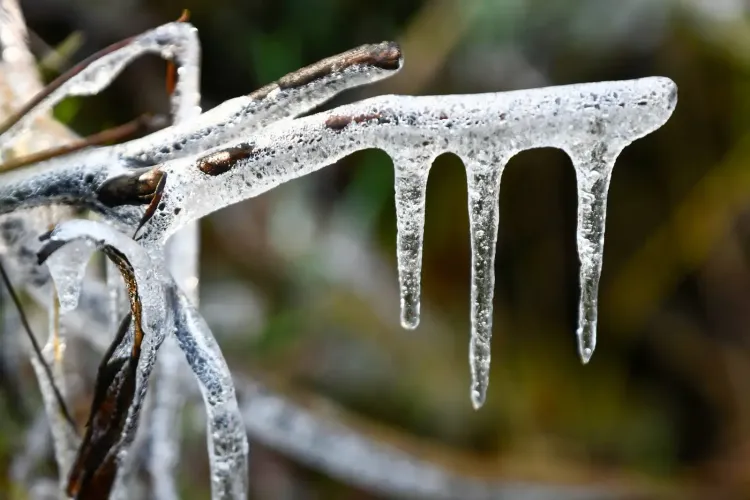
Srinagar recorded a season-low minus 1.9°C as the weather department forecast dry conditions across Jammu and Kashmir until 3 December. Authorities said school winter vacation dates would depend on the intensity of the cold.
Key Takeaways
Srinagar recorded a season-low minimum of minus 1.9°C on 25 November .
Pahalgam recorded minus 3.6°C , while Gulmarg registered 0°C .
The local meteorological department forecast dry weather across Jammu and Kashmir until 3 December .
Authorities said children in Classes 1 to 8 would be the first to benefit from a school winter vacation announcement.
Jammu city recorded a minimum temperature of 9.8°C .
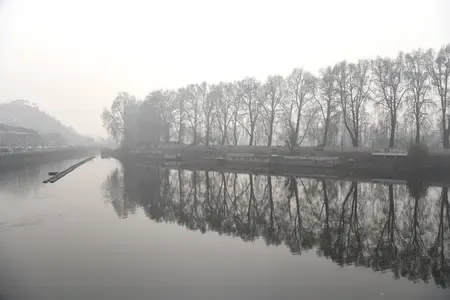
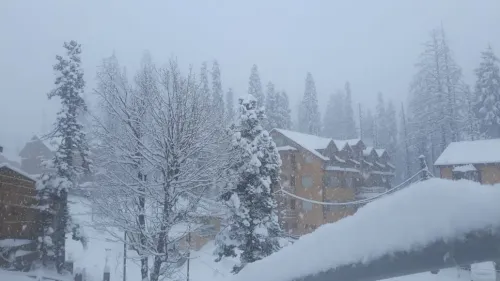
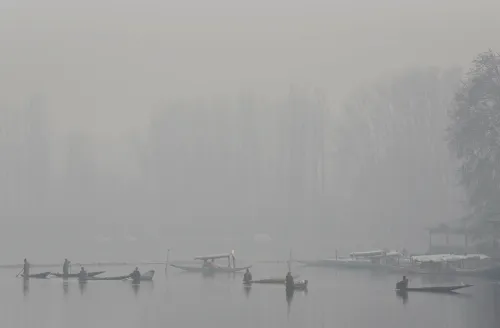
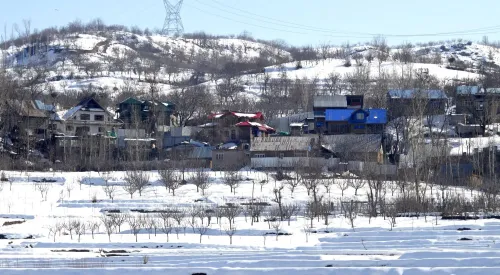
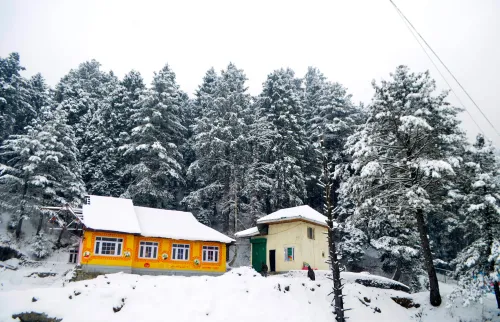
The Srinagar temperature fell to minus 1.9°C on 25 November, the city's lowest minimum of the season so far, as overnight temperatures continued to decline across Jammu and Kashmir. The local meteorological department said dry weather was likely to persist across the Union Territory until 3 December.
Clear night skies could bring a further drop in minimum temperatures in the coming days, the department said. The colder conditions come as residents prepare for winter and authorities assess when schools should close for their seasonal break.
Minimum temperatures across Jammu and Kashmir
Meteorological officials said Pahalgam recorded a minimum of minus 3.6°C, while the overnight low in Gulmarg was 0°C. Both readings accompanied the season-low figure in Srinagar.
In the Jammu region, the minimum was 9.8°C in Jammu city, 10.2°C in Katra and 10.6°C in Batote. Banihal recorded 8.9°C, while Bhaderwah registered 3.2°C.
The forecast points to continued dry conditions rather than immediate relief from the cold. The department linked the expected further fall in overnight temperatures to clear skies.
Air quality readings differ
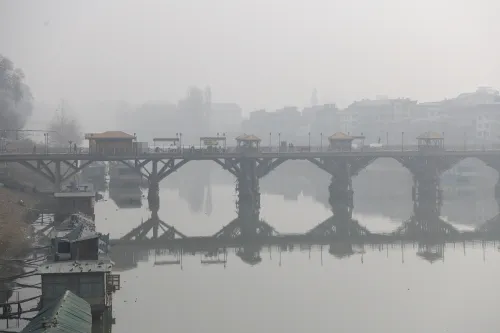
Air quality in Srinagar has been deteriorating amid dry weather and an increase in overall pollutant levels. Some foreign real-time air quality index monitors indicated high pollution, while domestic monitors continued to record air quality within what the source described as the 'safe' range.
The differing readings make it important to distinguish between monitoring sources when assessing conditions. The available report did not specify the index values, monitoring locations or standards used by the respective monitors.
Environmentalists said rain or snow in the plains of the Kashmir Valley during winter would help suspended particulate matter settle and improve overall air quality. The meteorological department's current outlook, however, points to dry weather until 3 December.
Winter clothing and school holidays
Residents have begun wearing the pheran, a loose winter overgarment traditionally made with thick tweed. Officegoers also use warm woollens, while changes to the pheran's stitching have made versions of it suitable for office wear.
Authorities said a decision on winter vacations for schools would depend on the intensity of the cold. Children in Classes 1 to 8 would be the first to benefit from such an announcement.
No date for school closures was provided in the available report. The decision therefore remains separate from the current weather forecast.
Essential supplies and the outlook
Vegetables, mutton, chicken and other essentials were reported to be available, while cooking LPG cylinders were being supplied through authorised outlets. Authorities said sufficient winter stocks had been maintained to meet adverse weather conditions in the coming days.
For residents, the immediate outlook is a combination of colder nights and continued dry weather. Attention will remain on updated forecasts, air quality readings and any school vacation decision as winter conditions develop.
Point of View
Rather than an unsupported assurance that conditions are safe. School vacation decisions should be communicated promptly and tied to clearly explained conditions.
NationPress
25 Nov 2026
Frequently Asked Questions
What was the minimum temperature in Srinagar?
Srinagar recorded a minimum of minus 1.9°C on 25 November, its lowest of the season so far, according to local meteorological officials.
What is the weather forecast for Kashmir?
The local meteorological department said dry weather was likely across Jammu and Kashmir until 3 December. Clear night skies could cause minimum temperatures to fall further.
When will Kashmir schools close for winter vacation?
Authorities have not announced a date for school winter vacations. They said the decision would depend on the intensity of the cold, with Classes 1 to 8 first to benefit from an announcement.
Why are Srinagar air quality readings different?
Some foreign monitors indicated high pollution while domestic monitors recorded air quality within what the report described as the safe range. The available report did not specify the monitors' readings, locations or standards.
What were the temperatures in Gulmarg and Pahalgam?
Gulmarg recorded a minimum of 0°C, while Pahalgam registered minus 3.6°C, according to meteorological officials.