Is the Minimum Temperature in Srinagar Rising Above Zero?
Synopsis
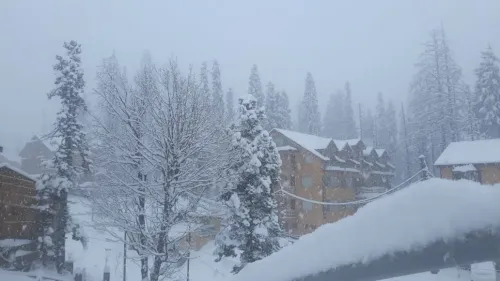
Srinagar experiences a rise in minimum temperature, with forecasts of light rain and snow from December 30 to January 1. The upcoming snowfall is crucial for the region's water supply and eagerly awaited by locals and tourists alike during the festive season.
Key Takeaways
Minimum temperature in Srinagar exceeds zero.
Light rain and snow forecast from December 30 to January 1.
Chillai Kalan lasts from December 21 to January 30.
Snowfall is crucial for summer water supply.
Hotels are fully booked for New Year’s Eve.
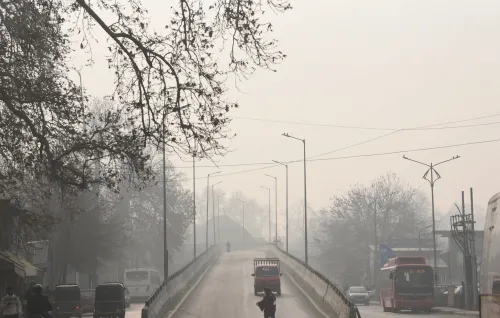
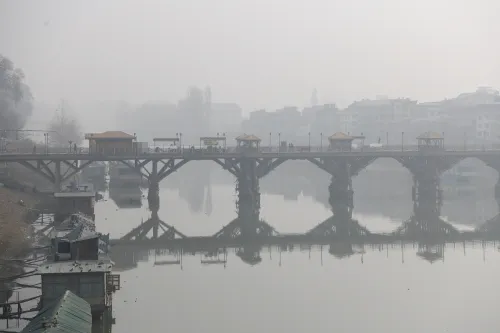
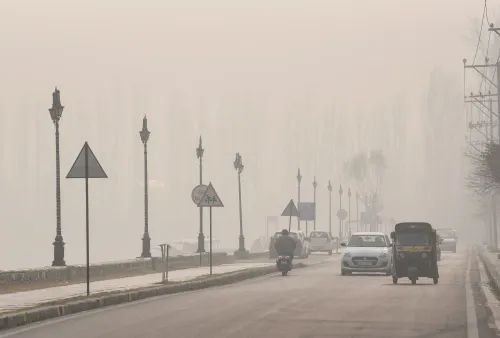
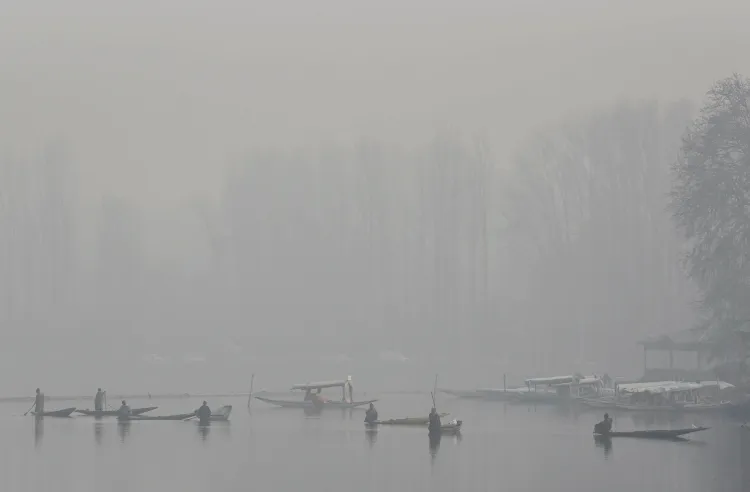
Srinagar, Dec 28 (NationPress) Following a night filled with cloud cover, the minimum temperature in the city of Srinagar, located in Jammu and Kashmir, has climbed above zero degrees Celsius as of Sunday. The Meteorological (MeT) Department has predicted light rain and snow from December 30 to January 1.
The recorded minimum temperatures are Srinagar at 0.8 degrees Celsius, Gulmarg at minus 2.2, and Pahalgam at minus 1.8 degrees Celsius.
In the region, Jammu experienced a minimum temperature of 8.1 degrees Celsius, while Katra recorded 8.2, Batote 6.9, Banihal 4.5, and Bhaderwah 1.6 degrees Celsius.
The MeT Department anticipates cloudy conditions to persist until Monday, with light rain and snow expected from December 30 to January 1.
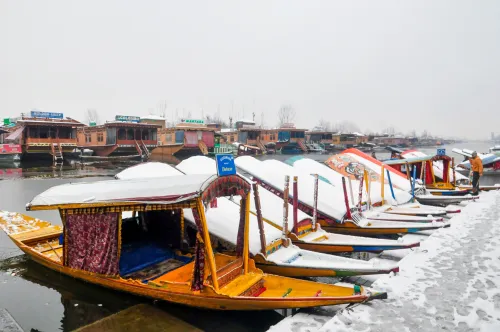
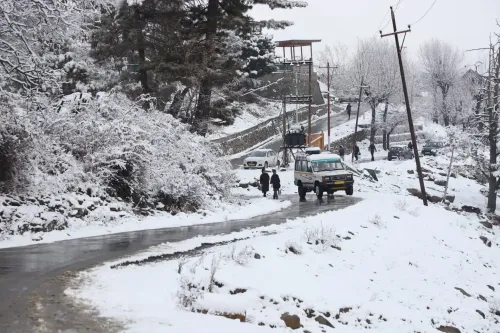
From December 31 to January 1, light rain and snow across various locations, along with moderate snow in the central and northern areas of the Kashmir Valley, is anticipated.
The harsh winter period known as 'Chillai Kalan', which lasts for 40 days, began on December 21 and will conclude on January 30.
This significant snowfall during Chillai Kalan is crucial as it replenishes the perennial water reservoirs in the mountains of J&K. These reservoirs are vital for sustaining various rivers, streams, springs, and lakes throughout the summer months. A lack of snowfall during this period can lead to drought conditions in the warmer months.
Consequently, a generous snowfall is always welcomed, and residents of Kashmir are looking forward to it. As New Year’s Eve approaches, hotels in Srinagar, Gulmarg, and Pahalgam are fully booked.
Many visitors are also anticipating a good snowfall on New Year’s Eve to enhance their holiday experience.
Older generations in Kashmir fondly recall those long nights of Chillai Kalan, waking up to a landscape blanketed in heavy snow. Icicles hanging from rooftops created a dazzling display as sunlight refracted through them, casting colorful lights. In those times, heavy snowfall could block roads for extended periods, forcing locals to rely on homegrown vegetables, eggs from their backyard poultry, and milk from their own cows.
Point of View
The recent weather changes in Jammu and Kashmir serve as a reminder of the region's unique climatic patterns and their significance. The anticipated snowfall is a critical component for local agriculture and water supply, making it a topic of interest for both residents and visitors. The region's reliance on this period of snowfall showcases the importance of understanding climate fluctuations and their impacts.
NationPress
18 Sept 2026
Frequently Asked Questions
What is Chillai Kalan?
Chillai Kalan is a 40-day period of intense winter cold in Kashmir, lasting from December 21 to January 30.
Why is snowfall important during Chillai Kalan?
Snowfall during Chillai Kalan replenishes water reservoirs that sustain rivers and lakes during the summer months.
What temperatures have been recorded in Jammu and Kashmir?
Recent temperatures include Srinagar at 0.8 degrees Celsius, Gulmarg at minus 2.2, and Jammu at 8.1 degrees Celsius.
When is the expected snowfall in Srinagar?
Light rain and snow are forecasted from December 30 to January 1.
How do locals cope with heavy snowfall?
During heavy snowfall, locals rely on homegrown food, poultry, and milk from their own cows.