Has Srinagar Recorded the Coldest Night of the Season at Minus 5.1 Degrees?
Synopsis
Srinagar has plunged to its coldest night this season, reaching a chilling -5.1 degrees Celsius. With predictions of dry weather continuing, concerns arise about potential droughts ahead. As Kashmiris bundle up against the cold, the region faces a precarious winter that could have lasting effects on its water supply and health.
Key Takeaways
Srinagar's coldest night this season at -5.1 degrees Celsius.
Concerns over drought due to cold, dry weather. 'Chillai Kalan' period critical for water resources.
Lack of snowfall raises risks for summer water supply.
Health implications of cold weather on residents.
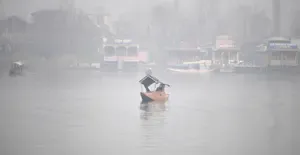
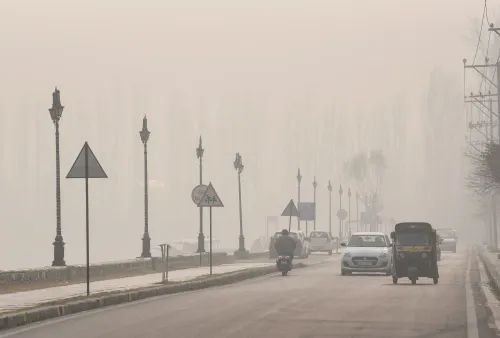
Srinagar, January 8 (NationPress) - With a recorded minimum temperature of -5.1 degrees Celsius, the city of Srinagar in Jammu and Kashmir experienced its coldest night of the season on Thursday. Mukhtar Ahmed, the director of the local Meteorological (MeT) Department, informed IANS, saying, “Today, Srinagar city hit the season’s lowest minimum temperature of -5.1 degrees Celsius.”
Moreover, Gulmarg recorded an even colder temperature of -9.2 degrees Celsius, while Pahalgam experienced -8.6 degrees Celsius as its minimum.
In contrast, Jammu city reported 7.1 degrees, Katra town 4.1, Batote 2.8, Banihal 3.7, and Bhaderwah saw -3.4 degrees as the night’s lowest temperature.
The MeT Department has predicted a continuation of cold, dry weather until January 20, raising concerns about potential drought conditions in the months ahead for the people of Kashmir.
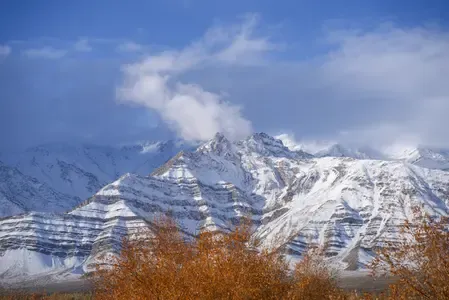
This anxiety is heightened by the fact that the 40-day period of severe winter known as ‘Chillai Kalan’ began on December 21 and ends on January 30. The importance of substantial snowfall during this period is crucial as it replenishes the perennial water reservoirs in the mountains.
These reservoirs are vital for sustaining a variety of rivers, streams, springs, lakes, and wells throughout the summer months in the union territory.
Snowfall in February and March tends to melt quickly and is not enduring. Hence, insufficient snowfall during Chillai Kalan poses a threat for the warmer months ahead.
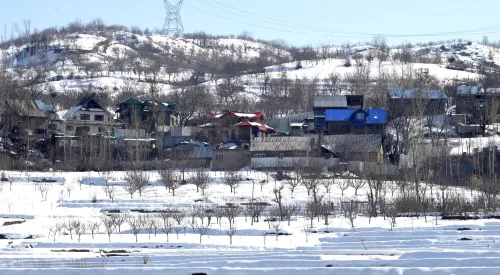
Notably, midway through this winter season, Srinagar city has yet to receive its first snowfall.
The ongoing cold, dry conditions have led to various respiratory and cardiovascular issues in the Valley. Medical professionals are advising individuals with heart and lung conditions to be cautious and limit outdoor activities in the morning to avoid the chill. Residents of Kashmir are donning multiple layers of warm clothing, including woollen jerseys, caps, mufflers, and the traditional tweed overgarment known as the ‘Pheran’ to shield themselves from the harsh winter.
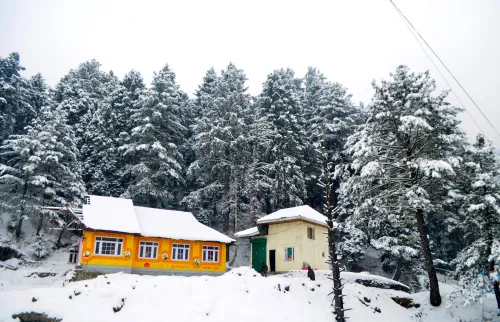
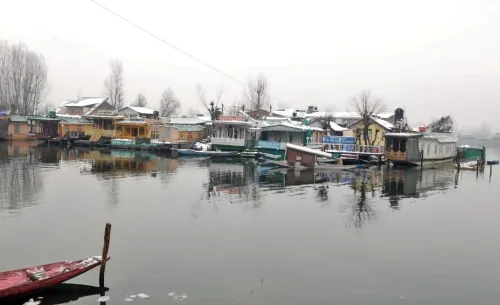
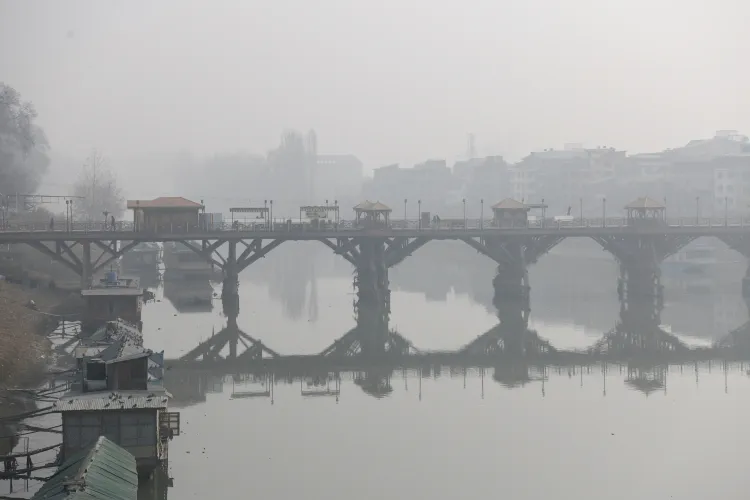
On Thursday, a weak winter sun shone over the clear skies in the Valley. Despite the bright sunny day, the sun struggled to bring warmth to the cold morning.
Point of View
It's crucial to recognize how weather extremes like those observed in Srinagar affect not just local communities but also have broader implications for water resources and public health across the region. The winter's severity and the potential drought raise significant concerns that warrant attention.
NationPress
23 Sept 2026
Frequently Asked Questions
What was the lowest temperature recorded in Srinagar?
The lowest temperature recorded in Srinagar was -5.1 degrees Celsius.
What are the potential effects of the cold weather in Kashmir?
The cold, dry weather may lead to drought conditions and has already resulted in respiratory and cardiovascular issues among the residents.
What is 'Chillai Kalan'?
'Chillai Kalan' is a 40-day period of severe winter in Kashmir, crucial for snowfall that replenishes water resources.
What precautions are residents taking against the cold?
Residents are wearing multiple layers of warm clothing, including woollen jerseys and the traditional 'Pheran,' to protect against the severe cold.
How has the weather affected healthcare in the Valley?
Doctors have advised individuals with heart and lung conditions to be cautious and limit outdoor exposure during the morning chill.