Is Srinagar Experiencing the Coldest Night of the Season at Minus 0.4 Degrees?
Synopsis
Srinagar has recorded its coldest night of the season at minus 0.4 degrees Celsius. The region braces for a prolonged cold wave, which could affect daily life. Health officials urge precautions, especially for vulnerable populations. Discover the impact of this chilling weather on the community and the expected duration of these conditions.
Key Takeaways
Srinagar recorded the coldest night at minus 0.4 degrees Celsius.
Cold wave conditions are expected to last for the next 15 days.
Chillai Kalan begins on December 21, causing significant hardships for residents.
Local schools will remain closed until mid to late February.
Health experts warn vulnerable populations about the risks of prolonged cold exposure.
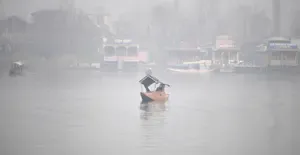
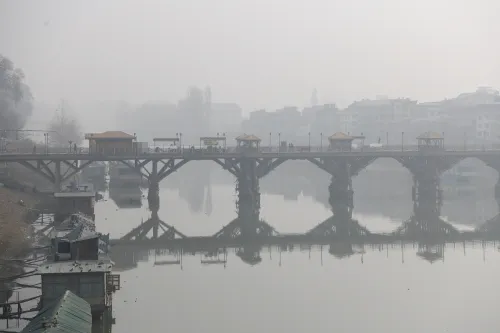
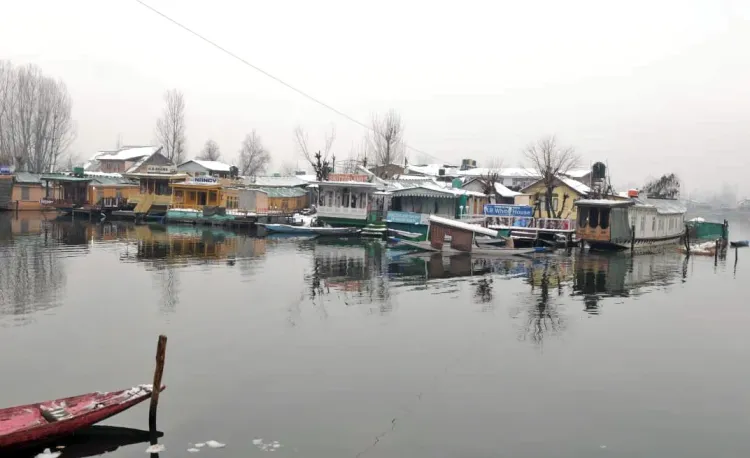
Srinagar, Nov 11 (NationPress) The cold wave conditions persist in the Kashmir Valley as of Tuesday, with the minimum temperature dropping further to minus 0.4 degrees Celsius in Srinagar city, marking the coldest night of the season thus far.
The officials from the Meteorological (MeT) Department noted, “As anticipated, the minimum temperature has dipped further in the Valley today, with Srinagar city experiencing its coldest night this season at minus 0.4 degrees Celsius. We expect the minimum temperature to decrease further in the upcoming days due to the ongoing cold, dry weather that is set to last for the next 15 days.”
The renowned tourist destination, Gulmarg, also recorded minus 0.4 degrees, while Pahalgam reported a minimum temperature of minus 3.4 degrees.
In Jammu city, the temperature measured 11.4 degrees, with Mata Vaishno Devi base camp town Katra at 10.4 degrees, Batote at 4.3 degrees, and Bhaderwah at 1.9 degrees, as reported by a MeT official.
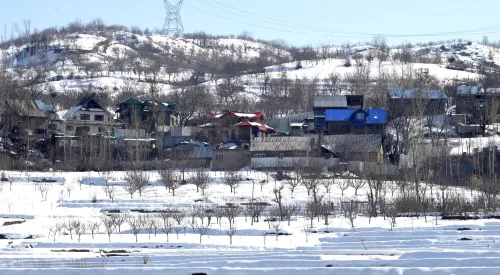
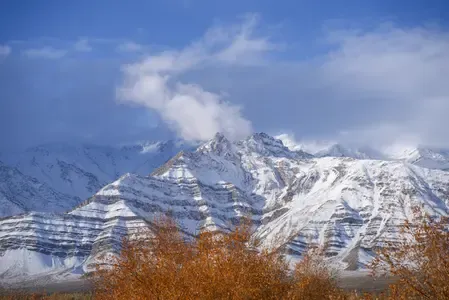
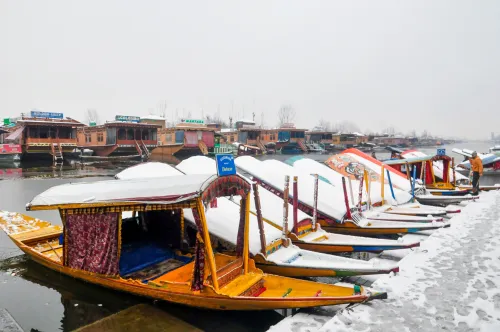
The clear night sky combined with chilly winds from the snow-covered mountain tops has contributed to the current cold wave conditions in the Valley. This period of harsh cold traditionally commences with the 40-day-long Chillai Kalan.
Chillai Kalan begins on December 21 and concludes on January 30 each year.
During these 40 days of severe winter cold, locals encounter numerous challenges, such as the freezing of drinking water taps, icy roads, and morning fog, which complicates movement for both pedestrians and drivers.
As schools throughout the Valley lack adequate heating, educational institutions typically enter winter recess by late December and resume operations by mid to late February, depending on snowfall and temperatures.
Medical professionals advise people, particularly the elderly and children, to limit their exposure to the cold. Local Pulmonologist, Dr. Naveed Nazir Shah, emphasizes the need for older adults and children to avoid inhaling cold air for prolonged periods, as it can lead to lung issues, including chest infections and breathing difficulties.
Point of View
It is crucial to acknowledge the profound impact of the ongoing cold wave in Kashmir. The challenges faced by residents during this period call for immediate attention and action. As we witness these severe weather patterns, it's vital to prioritize the health and safety of the community while ensuring that adequate support systems are in place.
NationPress
2 Oct 2026
Frequently Asked Questions
What is the current temperature in Srinagar?
As of November 11, the temperature in Srinagar has dropped to minus 0.4 degrees Celsius.
What is Chillai Kalan?
Chillai Kalan is a 40-day period of harsh winter in Kashmir that begins on December 21 and ends on January 30.
How are local schools affected by the cold wave?
Schools often enter winter recess by late December and may not reopen until mid to late February due to insufficient heating facilities.
What health advice is given during cold wave conditions?
Health officials recommend that elders and children minimize exposure to cold air to prevent lung issues and respiratory problems.
What other areas are experiencing low temperatures?
Other regions like Gulmarg, Pahalgam, Jammu, and Katra are also reporting low temperatures, contributing to widespread cold wave conditions.