Why Did Srinagar Experience Its Coldest Night at Minus 6?
Synopsis
Srinagar has recorded its coldest night this season at minus 6 degrees Celsius, raising concerns about the ongoing dry spell and its impact on water resources. As the 'Chillai Kalan' period progresses, the Valley remains devoid of snowfall, creating alarm for agriculture and health issues amid rising cold-related ailments.
Key Takeaways
Srinagar reached its coldest temperature of minus 6 degrees Celsius .
The dry spell raises concerns for water resources.
The crucial Chillai Kalan period is halfway through.
Hospitals report increased cases of cold-related ailments .
Precautions are advised for vulnerable individuals.
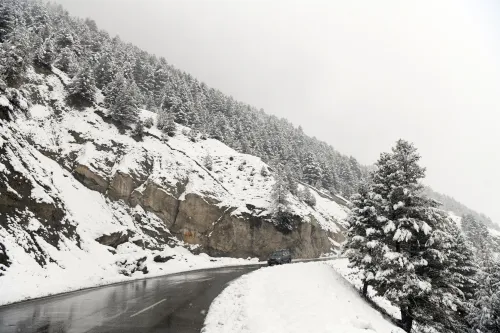
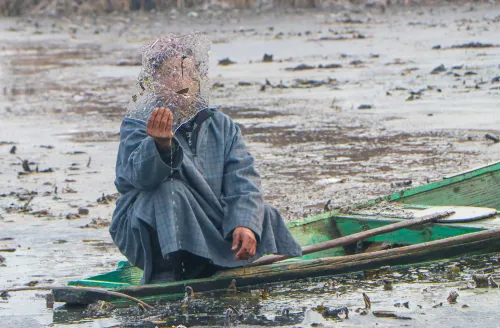
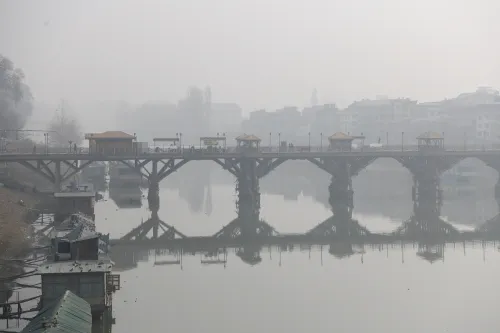
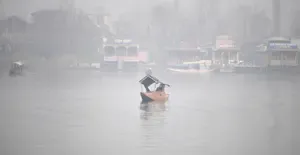
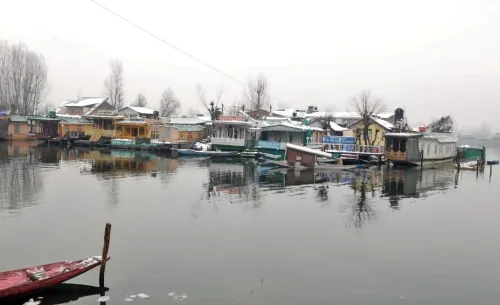
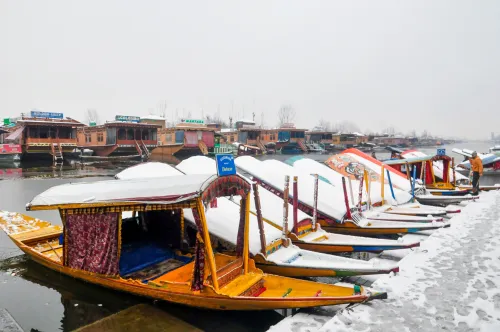
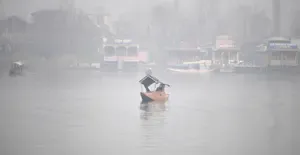
Srinagar, Jan 9 (NationPress) - The minimum temperature in Jammu and Kashmir continued to decline on Friday, with Srinagar experiencing its coldest night of the season, plummeting to a chilling minus 6 degrees Celsius. As temperatures fell, the city essentially froze, leading to the freezing of water taps, roadside puddles, and shallow water bodies in the Valley.
The difference between the highest and lowest temperatures has also diminished, as Thursday saw a maximum of 11.2 degrees Celsius in Srinagar.
The Meteorological Department has projected predominantly cold and dry weather until January 20, indicating minimal chances of rain or snow during this timeframe, except for isolated showers in the higher altitudes.
This ongoing dry spell has raised concerns across J&K, as all water bodies crucial for agriculture, horticulture, and drinking water depend heavily on significant snowfall during the current 40-day harsh winter phase known as 'Chillai Kalan'.
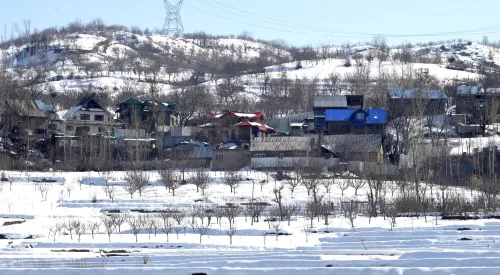
This vital 40-day period is already halfway over, and the plains of the Valley have yet to experience their first snowfall of the season.
Chillai Kalan concludes on January 30. Snowfall in February and March is less impactful as it melts rapidly and doesn't significantly contribute to replenishing the perennial water reservoirs in the mountains.
Gulmarg ski resort recorded a minimum of minus 7.2 degrees Celsius, while Pahalgam reported minus 7.6 degrees as the overnight low.
Jammu city recorded 5.6 degrees Celsius, Katra at 3.5, Batote at 1, Banihal at minus 0.9, and Bhaderwah at minus 3.4 as the lowest temperatures of the night.
Hospitals and clinics specializing in pulmonology and cardiology are experiencing an influx of patients as cases of chest and heart-related ailments rise due to the cold and dry climate.
Individuals with prior history of these health issues have been advised to take extra precautions, with recommendations to avoid going outside during extreme cold conditions.
Point of View
It is imperative to highlight the significant concerns arising from Srinagar's unprecedented cold. The lack of snowfall during this crucial period, known as Chillai Kalan, poses serious risks to agriculture and water supply, emphasizing the need for awareness and preparedness among the local population.
NationPress
23 Sept 2026
Frequently Asked Questions
What is Chillai Kalan?
Chillai Kalan is a crucial 40-day period of harsh winter in Kashmir, known for heavy snowfall, which is vital for agriculture and water reservoirs.
What temperatures have been recorded in Jammu and Kashmir?
Srinagar recorded a low of minus 6 degrees Celsius, while other areas like Gulmarg and Pahalgam saw temperatures of minus 7.2 and minus 7.6 degrees respectively.
How does cold weather affect health?
Cold, dry weather can exacerbate health issues, especially for individuals with pre-existing chest and heart conditions, increasing hospital visits.