How Did Temperature Change in Srinagar on the Last Day of ‘Chillai Kalan’?
Synopsis
On the final day of the frigid 40-day period known as 'Chillai Kalan,' Srinagar, Jammu and Kashmir, witnessed a significant temperature rise above freezing. This change marks a pivotal moment as residents anticipate further weather developments. Read on to discover how this impacts agriculture and water resources in the region.
Key Takeaways
Chillai Kalan marks a significant winter phase in Jammu and Kashmir.
The temperature in Srinagar has finally risen above freezing after a month.
Recent snowfall is vital for water supply and agriculture.
A new Western Disturbance is on the way, bringing potential rain and snow.
Safety precautions are advised for residents in vulnerable areas.
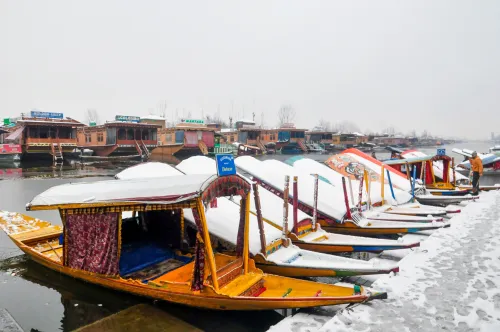
Srinagar, Jan 30 (NationPress) On the concluding day of the 40-day period known as ‘Chillai Kalan’, the minimum temperature in Srinagar, Jammu and Kashmir, has surpassed the freezing point for the first time in more than a month.
According to the Meteorological Department, the minimum temperature recorded in Srinagar was 1.3 degrees Celsius, while Gulmarg experienced -9 degrees Celsius and Pahalgam saw -5.3 degrees Celsius.
This is the first instance in over a month that temperatures in Srinagar have gone above freezing.
The weather conditions have also improved in Jammu, with minimum temperatures reported at 9.3 in Jammu, 8.4 in Katra, 3.2 in Batote, 1.1 in Banihal, and -1 in Bhaderwah.
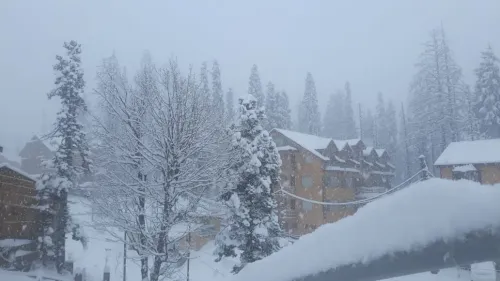
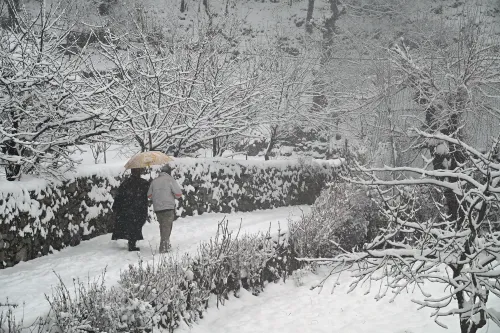
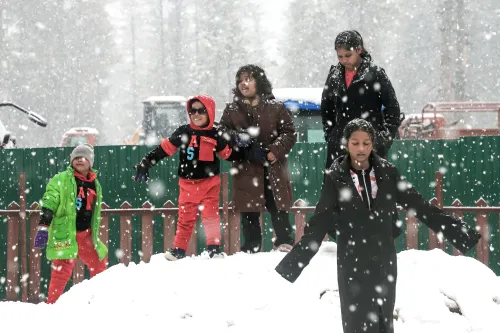
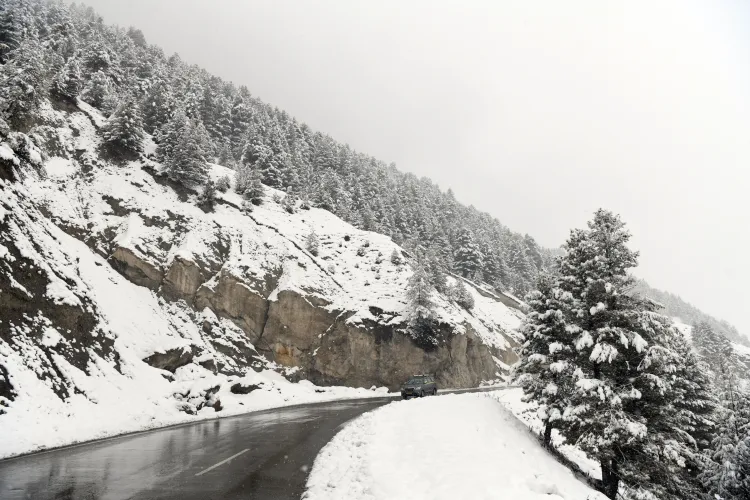
The Chillai Kalan period, which began on December 21, concludes today. This 40-day span typically sees the heaviest snowfall in Jammu and Kashmir, though this year, significant snowfall only occurred in the last week of the period.
The availability of water for drinking, irrigation, and other needs relies heavily on the snow accumulated in the mountainous regions during these 40 days.
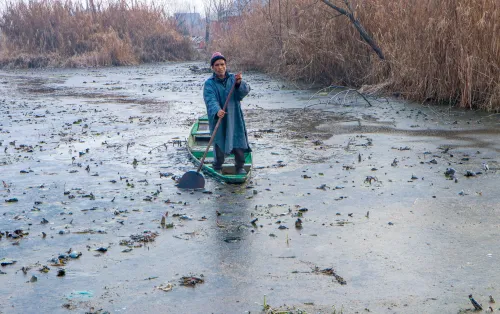
Prior to the recent snowfall, the majority of rivers, streams, springs, and other water bodies were at their lowest levels.
The MeT Department predicts the arrival of another Western Disturbance on February 1, which is expected to bring rain and snow.
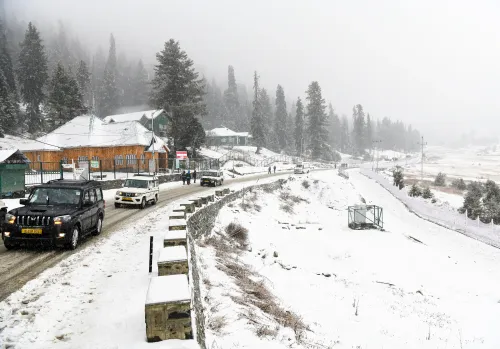
Farmers are advised to halt agricultural activities until February 2, and travelers are urged to check with traffic control rooms before traveling on the Srinagar-Jammu national highway.
Residents in areas prone to avalanches are cautioned to stay indoors unless absolutely necessary for the next 75 hours.
A Western Disturbance refers to an extratropical storm originating in the Mediterranean region that brings rain and snow to India, Pakistan, Nepal, and Bangladesh. The Rabi crop in these nations is significantly influenced by the activity of these disturbances.
Point of View
My perspective remains focused on the implications this weather change has on the daily lives of people in Srinagar and the broader Jammu and Kashmir region. This transition marks not just a seasonal shift but also a critical moment for agriculture and water supply, underscoring the interconnectedness of climate patterns and local livelihoods.
NationPress
23 Sept 2026
Frequently Asked Questions
What is Chillai Kalan?
Chillai Kalan is a 40-day period of harsh winter in Jammu and Kashmir, typically characterized by heavy snowfall and freezing temperatures.
What temperatures were recorded in Jammu and Kashmir?
On the last day of Chillai Kalan, temperatures were 1.3 degrees Celsius in Srinagar, -9 degrees Celsius in Gulmarg, and -5.3 degrees Celsius in Pahalgam.
What impacts does snowfall have on water resources?
Snowfall during Chillai Kalan is crucial as it replenishes perennial water reservoirs, which are essential for drinking water and irrigation.
What weather conditions are expected after Chillai Kalan?
The Meteorological Department forecasts a Western Disturbance arriving on February 1, which may bring additional rain and snow.
What precautions should be taken during this weather?
Residents in avalanche-prone areas are advised to stay indoors, and farmers should suspend agricultural activities until February 2.