Is Srinagar Facing Bone-Chilling Cold at Minus 4 Degrees Celsius?
Synopsis
Srinagar is grappling with a severe cold wave, recording temperatures as low as minus 4 degrees Celsius. With no major snowfall expected until January 20 and concerns for water resources, locals are adapting to the freezing conditions. Read on to find out how residents are coping with this bitter cold spell.
Key Takeaways
Srinagar recorded a temperature of minus 4 degrees Celsius .
No significant snowfall is expected until January 20 .
Residents are wearing traditional Pherans and layering up for warmth.
The Chillai Kalan winter period lasts until January 30 .
Health experts recommend staying indoors during the coldest mornings.
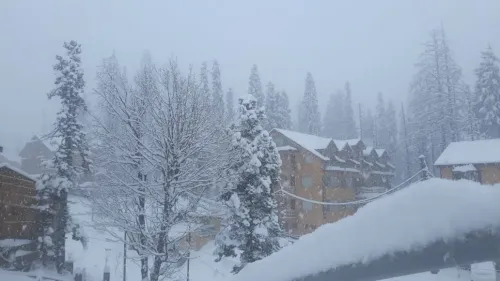
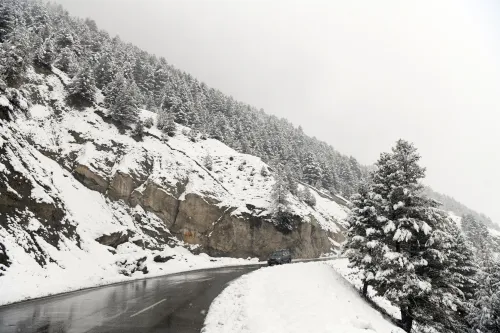
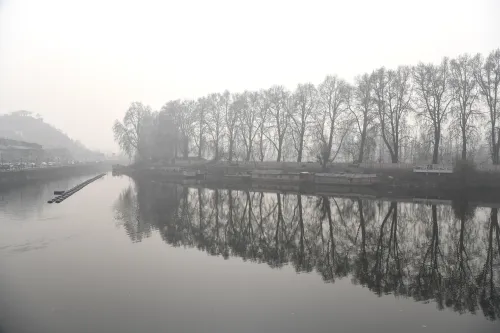
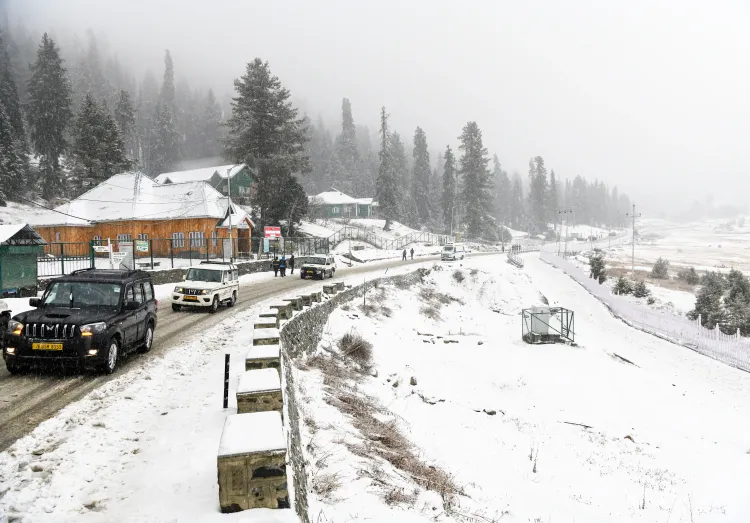
Srinagar, January 6 (NationPress) A severe cold wave has gripped Jammu and Kashmir as temperatures plummet to minus 4 degrees Celsius in Srinagar. The Meteorological Department indicates that no significant Western Disturbance is expected to impact the region until January 20, which means the chances for substantial snowfall remain low during this period.
The recorded temperatures include Srinagar at minus 4 degrees Celsius, Gulmarg at minus 8.6 degrees Celsius, and Pahalgam at minus 6.8 degrees Celsius. The city of Jammu recorded a minimum temperature of 5.2 degrees Celsius, along with temperatures in Katra (4.8), Batote (1.7), Banihal (1.5), and Bhaderwah (minus 2.2).
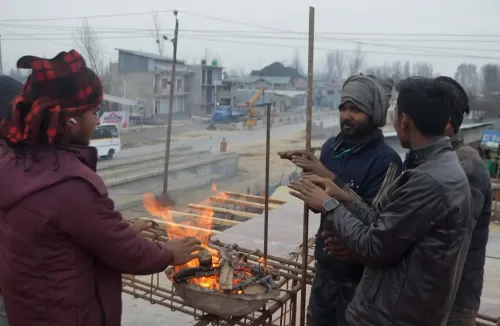
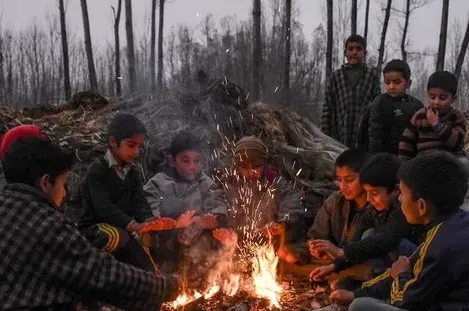
In the mornings, water taps in Srinagar and other areas of the valley have been freezing, as the weak winter sun struggles to provide warmth. The intense winter period known as Chillai Kalan, which started on December 21, will continue until January 30. If the weather doesn't change, the valley's plains may not experience their first snowfall of the season until after January 20.
Any snowfall occurring post-January 30 will unlikely replenish the vital water reservoirs in the mountains, as the significant snowfall during the Chillai Kalan period is essential for sustaining water bodies through the summer.
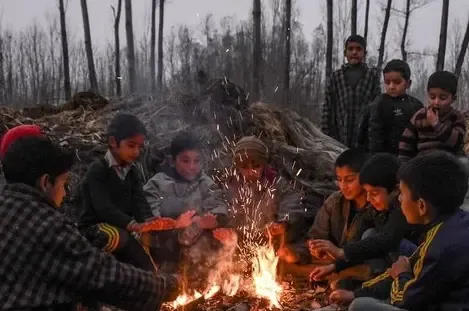
To combat the harsh cold, locals don the traditional woolen garment called the 'Pheran'. In addition to this, many Kashmiris wear multiple layers of woolen clothing to retain warmth. Older generations often wear wool caps and mufflers, while younger individuals believe that staying active can help them endure the cold.
Health professionals have advised against strenuous physical activity in such extreme cold, as sudden temperature changes can be hazardous. Additionally, the elderly are encouraged to stay indoors until after 10 a.m., as mornings are particularly frigid during winter.
Point of View
It is crucial to monitor the ongoing cold wave impacting Jammu and Kashmir. The region is facing extreme weather conditions that not only affect daily life but also carry implications for water resources in the summer months. It's a reminder of the vulnerability of our climate systems and the need for preparedness.
NationPress
29 Sept 2026
Frequently Asked Questions
What is the minimum temperature recorded in Srinagar?
The minimum temperature recorded in Srinagar is minus 4 degrees Celsius.
When is the Chillai Kalan period expected to end?
The Chillai Kalan period is expected to end on January 30.
What are locals doing to cope with the cold?
Locals are wearing traditional Pherans and multiple layers of woolen clothing to stay warm.
Are any significant weather changes expected soon?
According to the Meteorological Department, no major Western Disturbance is likely until January 20.
What health precautions are recommended during this cold wave?
Health professionals advise against strenuous activities in extreme cold and recommend that the elderly remain indoors until after 10 a.m.